
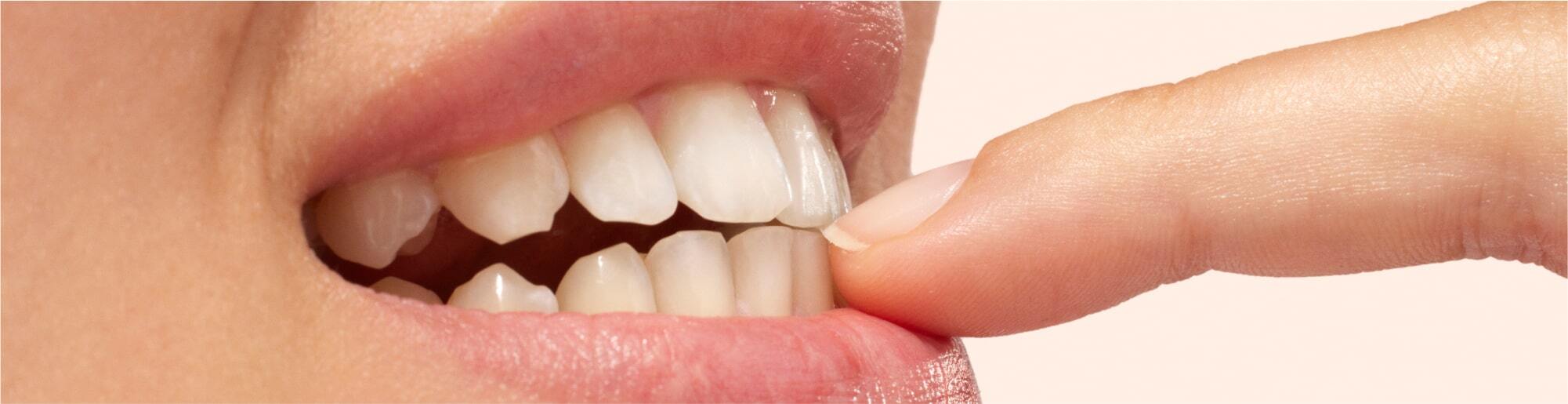
Onychophagia: what is it?
Onychophagia is the medical term for the habit of biting your nails. For your information, it comes from the Greek onukhos, meaning "nail", and phagos, meaning "eater". It affects nearly one third of French people and often begins in childhood or adolescence. A study by the American Academy of Dermatology (AAD) estimates that around 30% of children aged 7 to 10 and 45% of teenagers bite their nails. This figure tends to decrease with age, but around 20% of adults continue to bite their nails regularly.
But where does this strange reflex of biting your fingers come from? The causes vary, but are often linked to stress, anxiety or boredom. When you are faced with a stressful situation, need reassurance, need to focus, need to let off steam or simply don’t know what to do, your nails are the first victims. A habit that is not without medical consequences…

Bitten nails = danger?
Weakened nails
Repeated nail biting eventually damages the keratin that makes up the nail plate. Thinner, bitten nails tend to split more easily, lift away from the skin, and develop ridges and other surface irregularities. Damage to the nail plate can also disrupt the nail matrix and slow nail growth or cause abnormal growth, making nails harder to maintain and care for. Beyond the cosmetic aspect, it can also become painful and genuinely uncomfortable in everyday life.
Small sores, big infection risks
Nail biting exposes the skin and cuticles to an increased risk of infection. The skin’s protective barrier around the nail is weakened by micro-injuries, and this opens the door to bacteria, viruses and fungi, which can then penetrate the epidermis. If these wounds become red, swollen and painful, they will need to be treated with an antibiotic or antifungal treatment. What’s more, by putting your fingers in your mouth, you also run a greater risk of catching seasonal viruses and other illnesses that are circulating everywhere.
Habit or OCD?
Be aware that onychophagia is classified by the American Psychiatric Association (DSM-5, 2015) in the category of obsessive or compulsive behavioural disorders. For some, it may be a simple tic they are barely aware of. For others, it is a genuine OCD (obsessive-compulsive disorder), symptomatic of a more serious mental health issue that requires appropriate psychological support.
So what can you do to get rid of nail biting? Here are a few tips to make peace with your nails and restore their strength and vitality.

Tomorrow, I’ll stop!
"Enough with bitten nails! I’ve decided, tomorrow I’m stopping!" That’s a great resolution, showing that you have already recognised the problem. There is still some way to go before turning words into action. But rest assured, there are practical techniques and solutions to help anyone who wants to break this bad habit.
The benefits of bitter nail polish
At first glance, bitter nail polish looks like an ordinary clear polish. But its intensely bitter taste acts like a mini electric shock every time you bring your nails to your mouth. The unpleasant taste is so strong that you lose all desire to do it again.
For its bitter nail polish, Manucurist developed a formula that deters and protects at the same time. 68.5% bio-based, it applies like regular nail polish, to clean, dry nails or over Green™ nail polish or a top coat if you have chosen to wear nail polish. It is recommended to reapply every two days without removing the previous layer. It also removes just as easily with a little Green Flash™ gentle nail polish remover.
With bitter nail polish, you become aware of the habit and can better identify the emotional triggers behind it. The first step towards putting effective strategies in place.


Alternative actions
Stress at work, the urge to eat or smoke, boredom in front of a screen or on public transport... It is essential to identify the situations or emotions that trigger the urge to bite your nails. From there, you can anticipate these situations and turn to substitute actions. The idea is to keep your hands, your mouth, or even your whole body busy, to reduce anxiety and break the automatic habit of biting your nails. A stress ball, chewing gum (preferably sugar-free to protect your teeth), breathing exercises, meditation or a workout... anything goes as long as it is not your nails taking the hit. Your efforts will be rewarded when you start to see your nails grow back! Come on, you can do it, don’t give up!
Get help
For compulsive nail biters, putting an end to this habit is a real challenge, as difficult as quitting smoking for heavy smokers. In this case, don’t hesitate to seek help from specialists. Behavioural therapies or hypnosis can help you manage stress better and understand the underlying reasons for your anxiety.

Caring for your nails during and after quitting
When you stop nibbling your nails, regrowth is a real exercise in patience. On average, fingernails grow 3 to 5 mm per month. So every millimetre gained is a small victory! It’s the perfect time to make peace with your nails and (re)learn how to care for them.
Boost growth
As soon as your efforts to stop biting your nails start to pay off, don’t hesitate to boost nail regrowth with Nail Boost supplements, a concentrate of vitamins and active ingredients to take as a 2-month course. Note that this course will be even more effective when paired with a diet rich in essential vitamins, minerals and trace elements (calcium, zinc, iron, B vitamins, etc.) that support keratin production.
By stimulating your nails from within, you’ll get beautiful nails faster—nails you’ll be proud of and that will encourage you to stop biting them.

Hydrate and nourish
To rebuild the nail plate weakened by years of biting, it is essential to establish a skincare routine to deeply hydrate and nourish your nails. To do so, apply a few drops of Complete Serum to your nails and cuticles every day, then massage until the product is absorbed. Pair this hydrating treatment with a little Green Oil, an ultra-nourishing blend of 6 botanical oils with strengthening properties. If your nails are particularly damaged, choose the Rescue Kit, a trio of intensive treatments to repair and regenerate nails in 2 weeks.
Then, gradually incorporate the basic steps of nail care and nail preparation into your routine: care for your cuticles, trim hangnails, gently file the nail surface, apply a moisturising cream, etc. So your nails are in great shape for your next manicure!


Beauty treatment
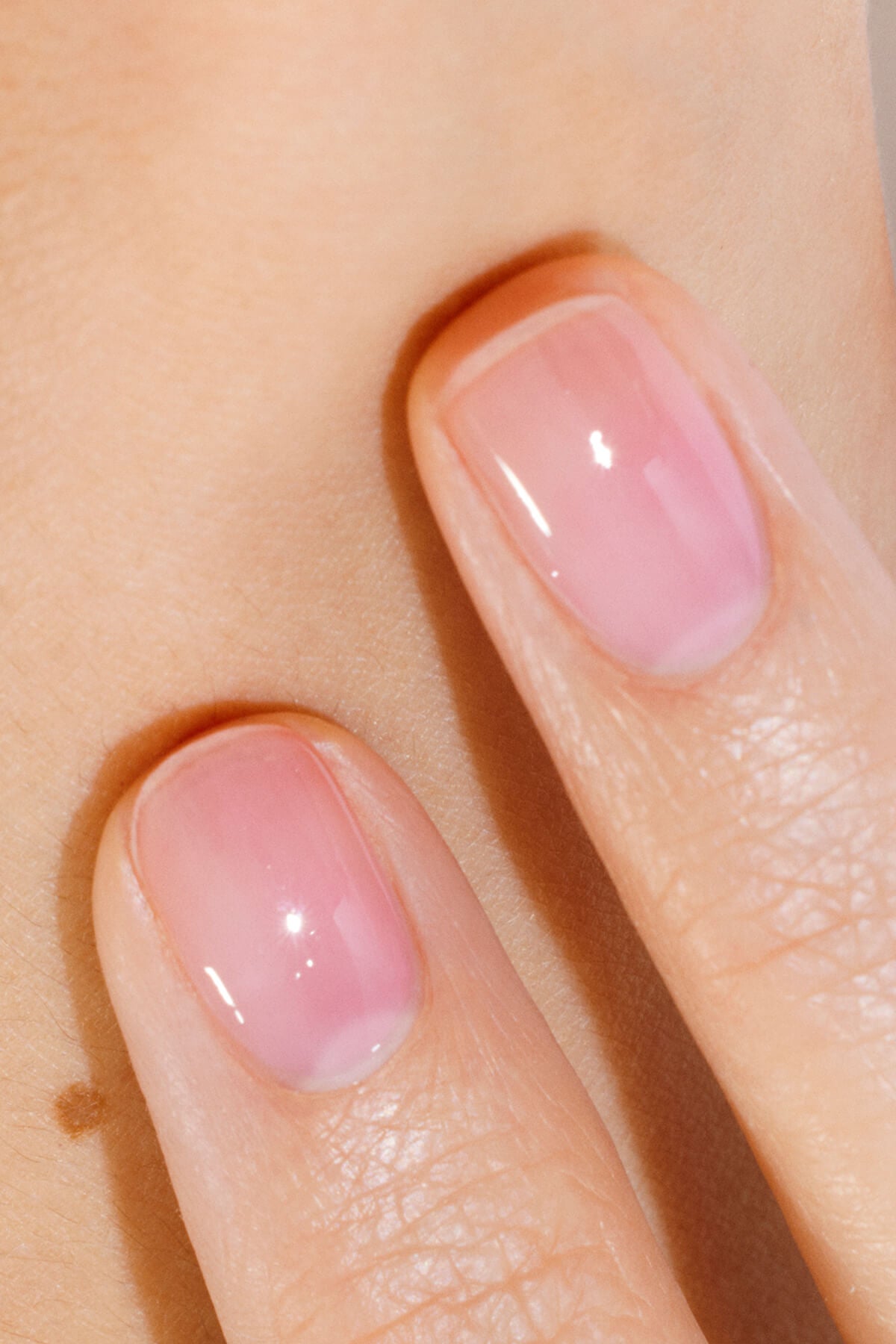
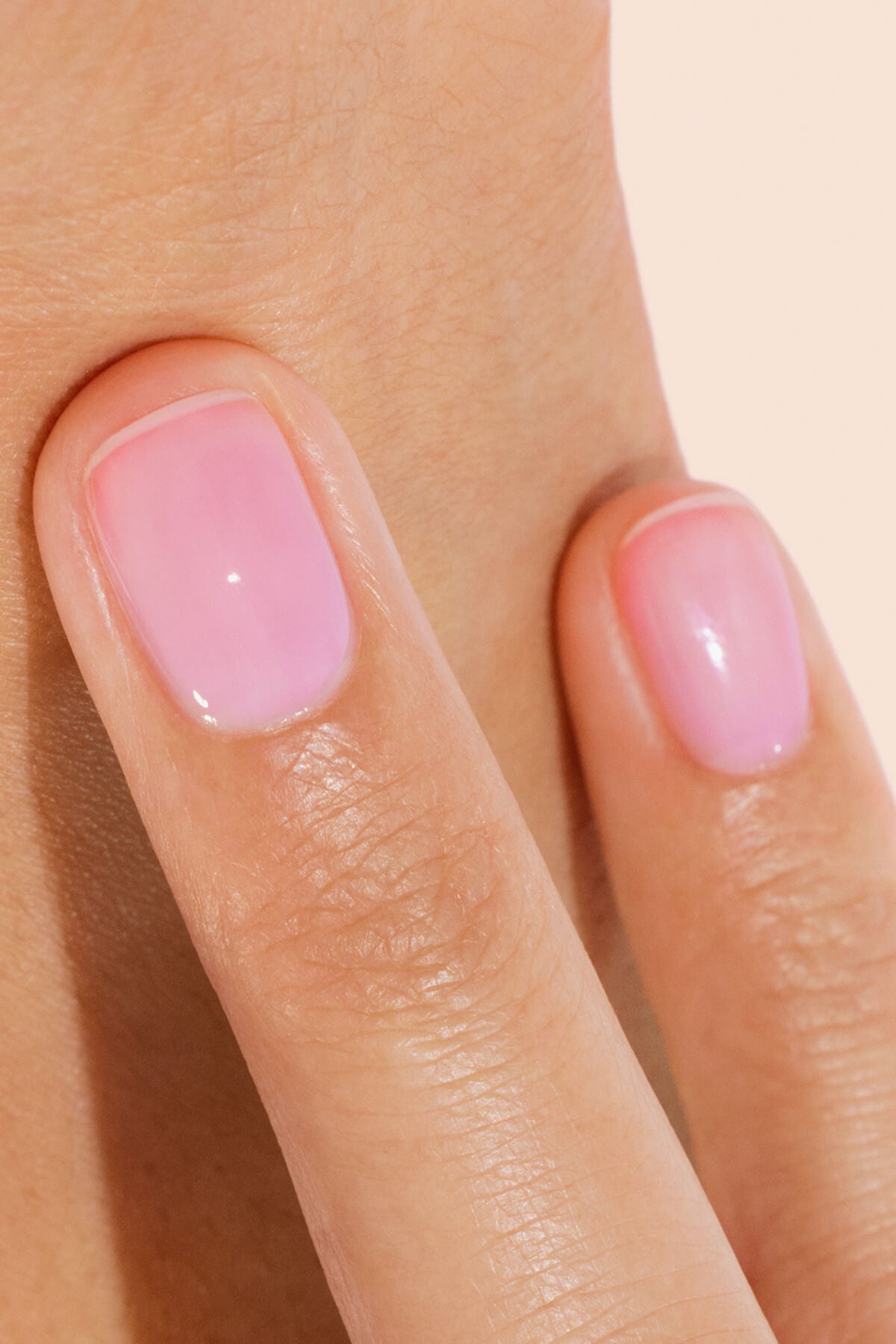
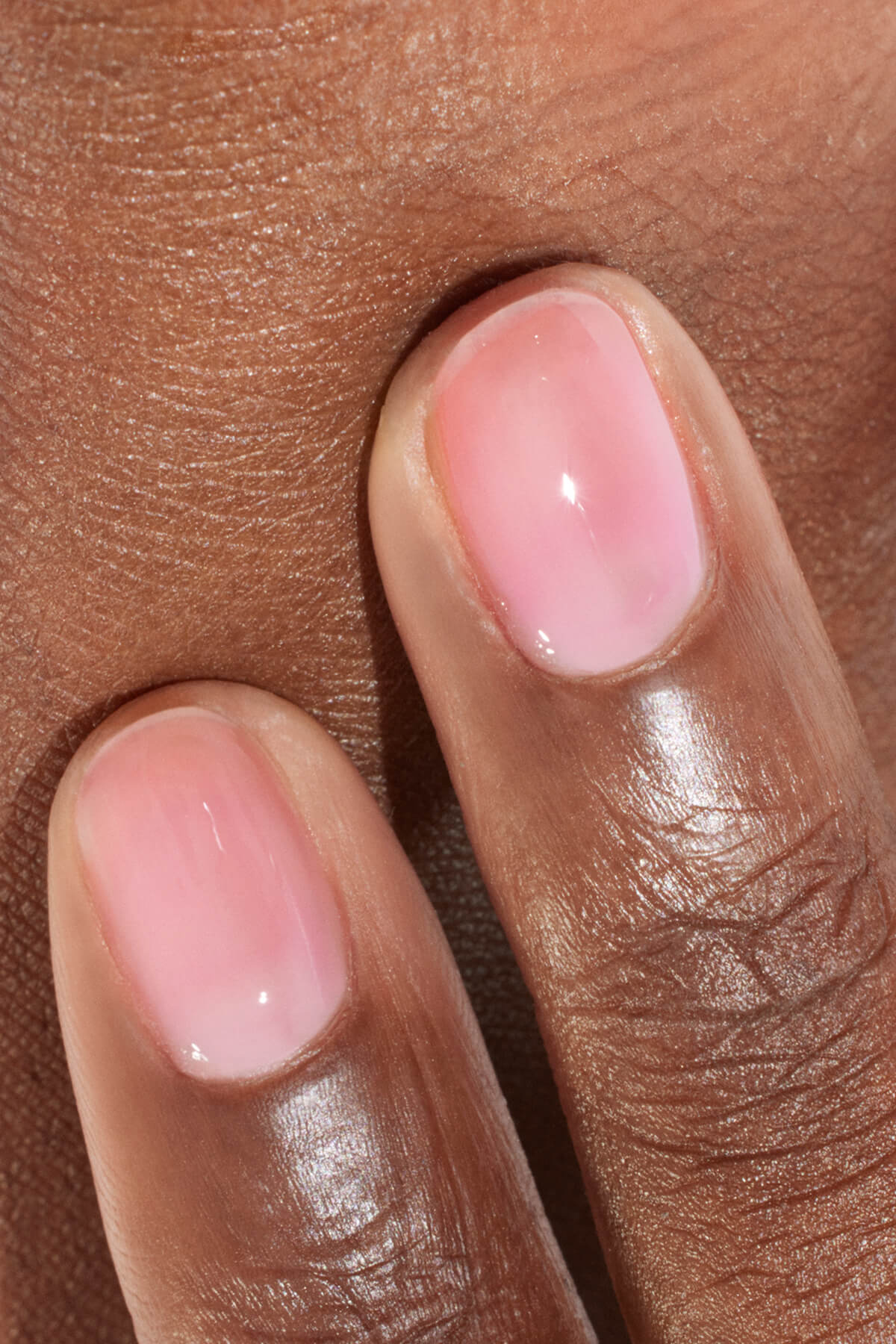
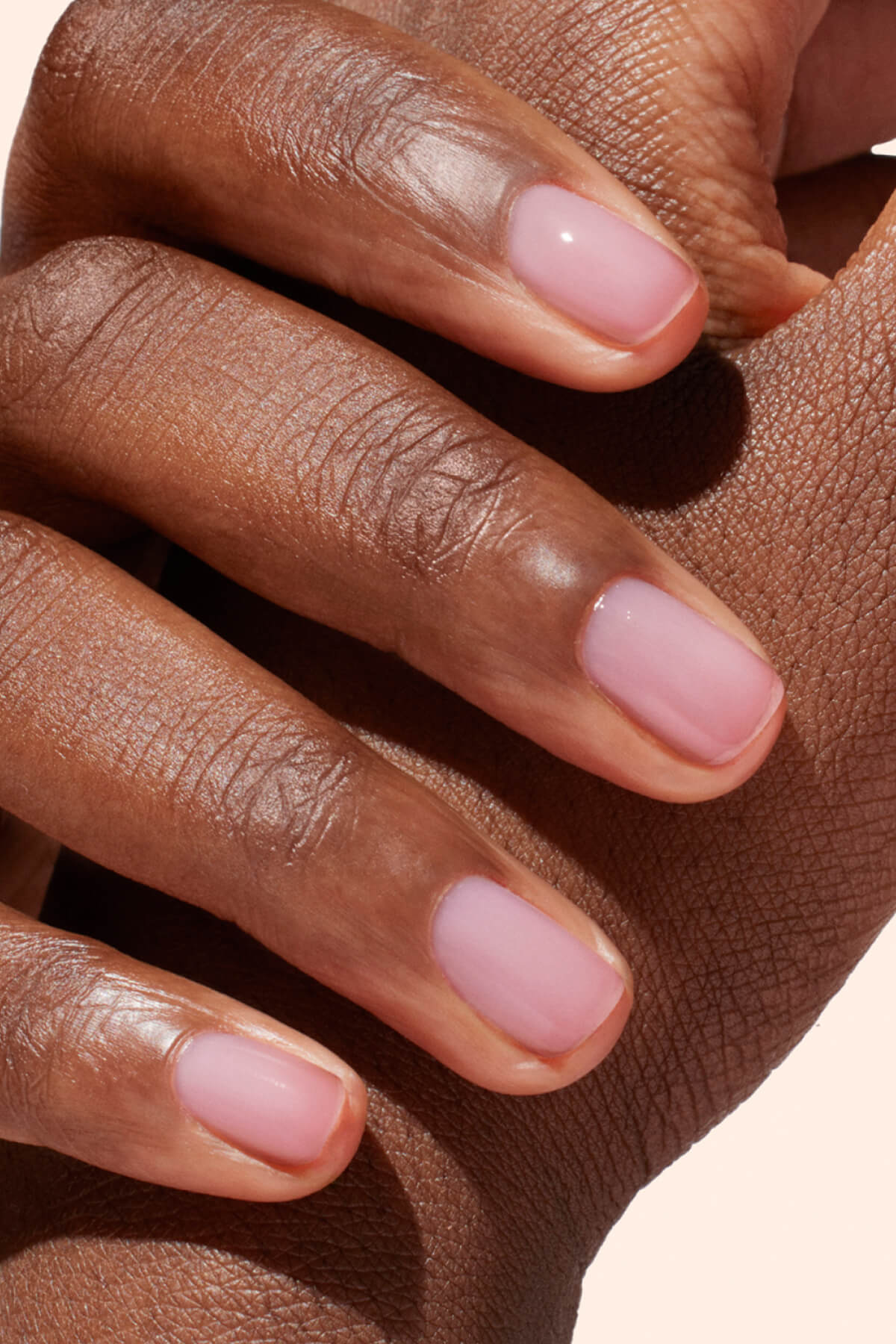
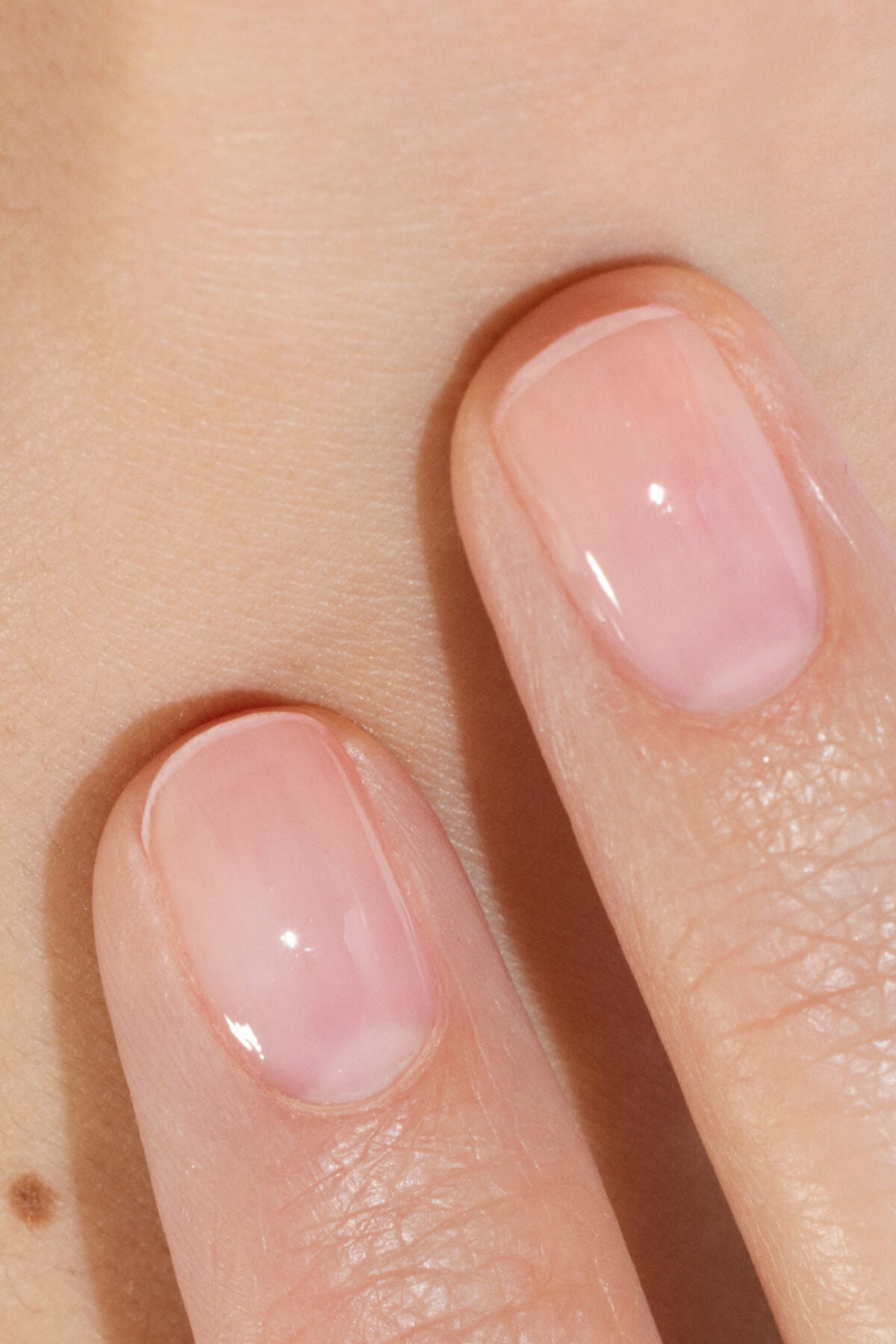
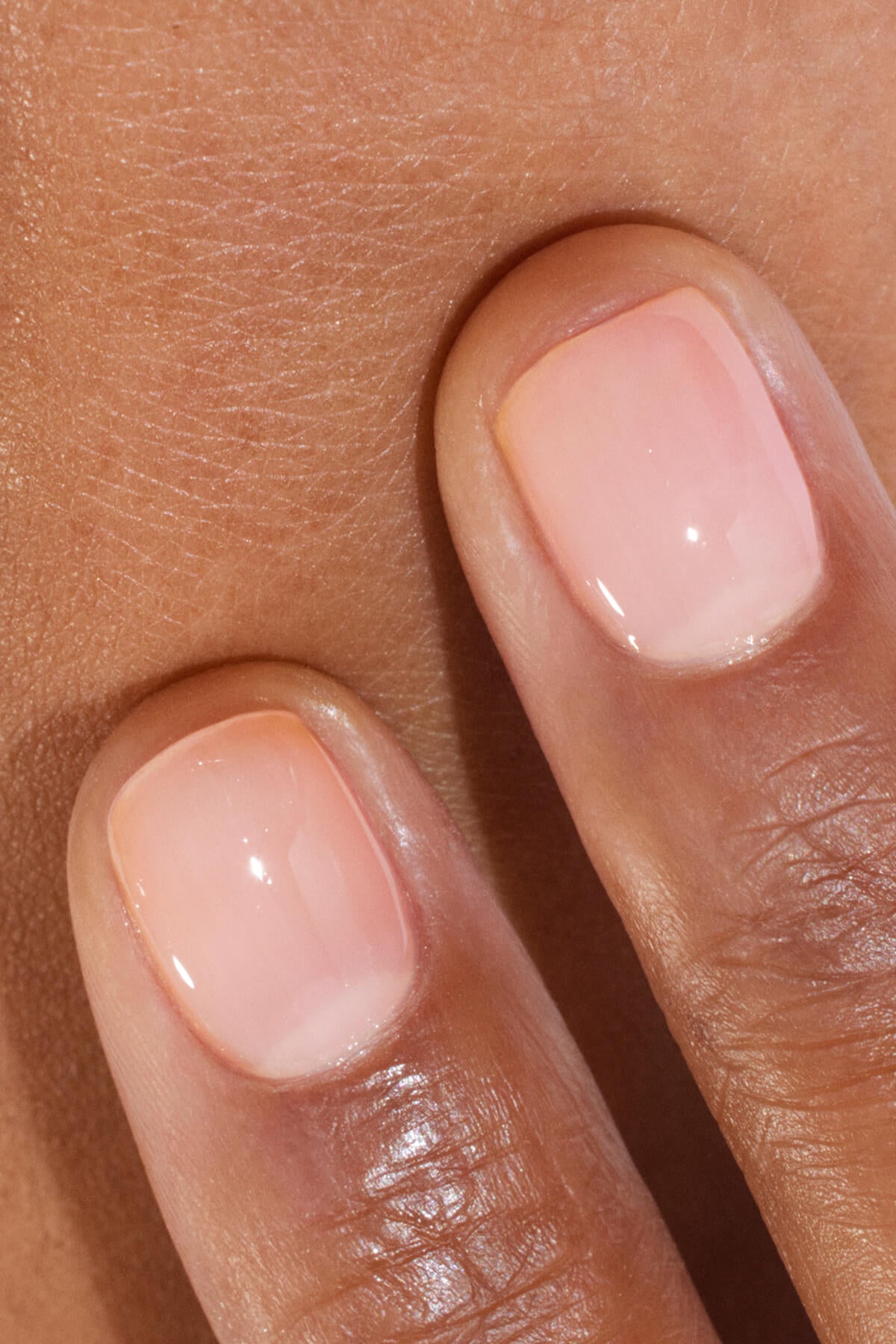
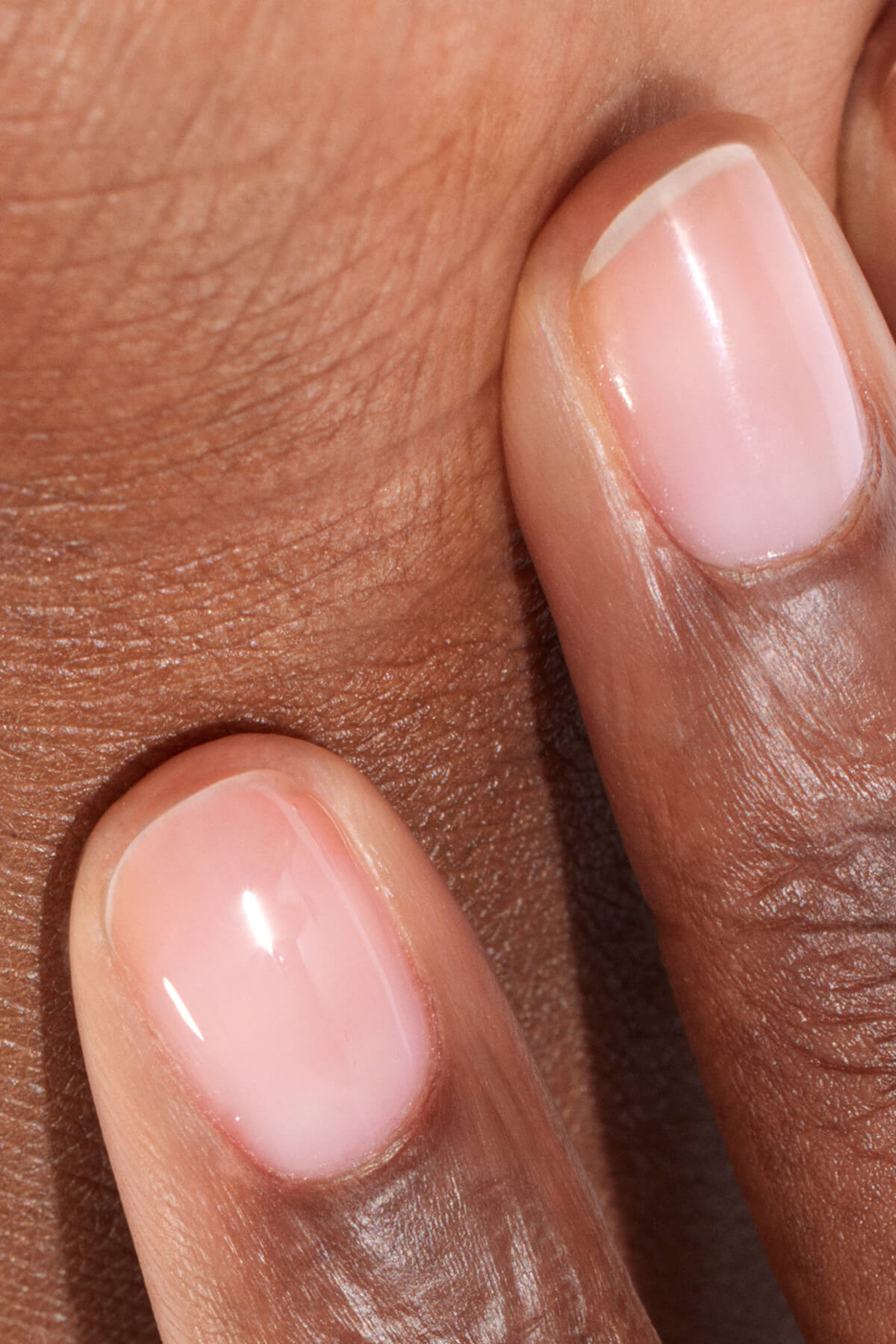
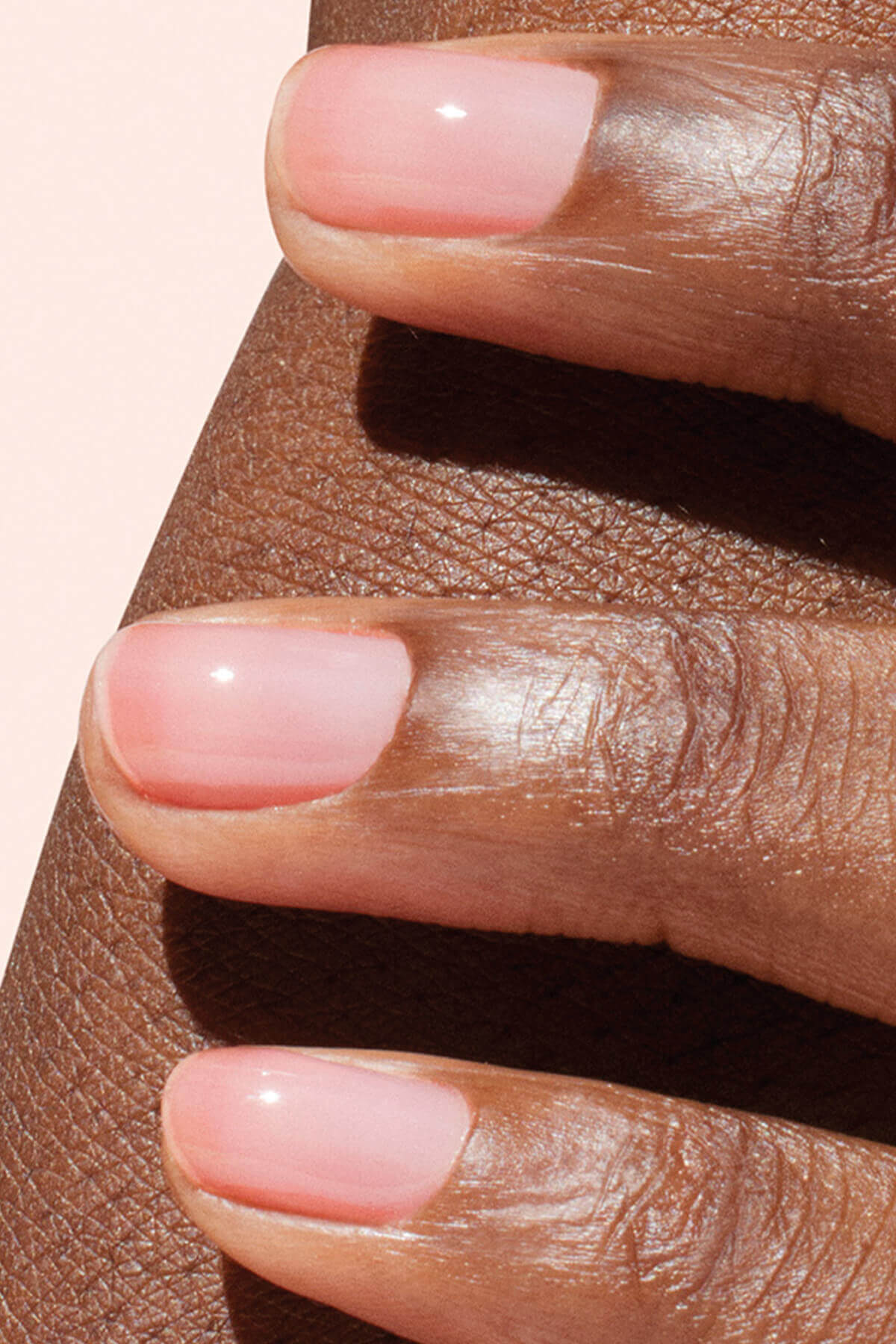
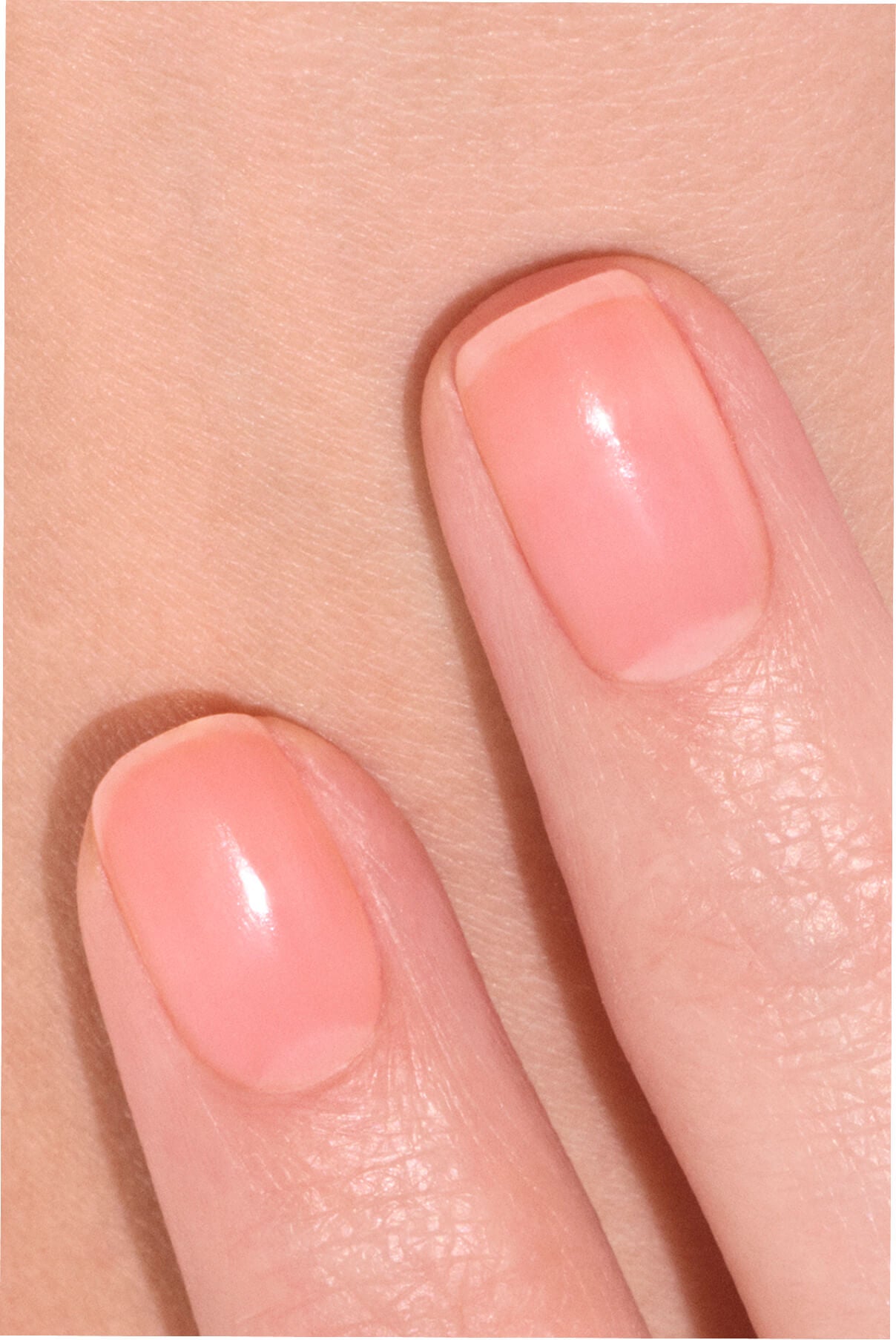
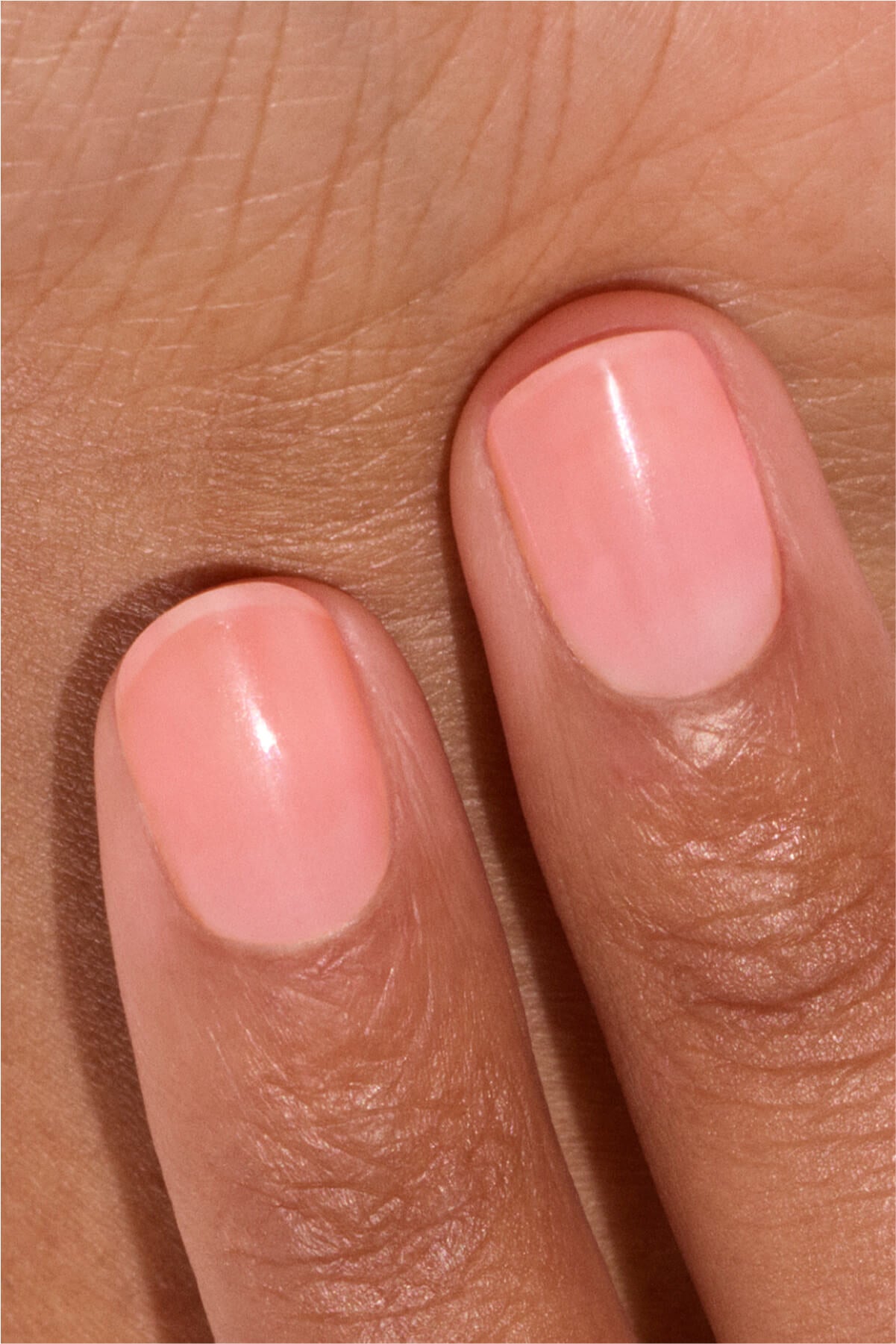
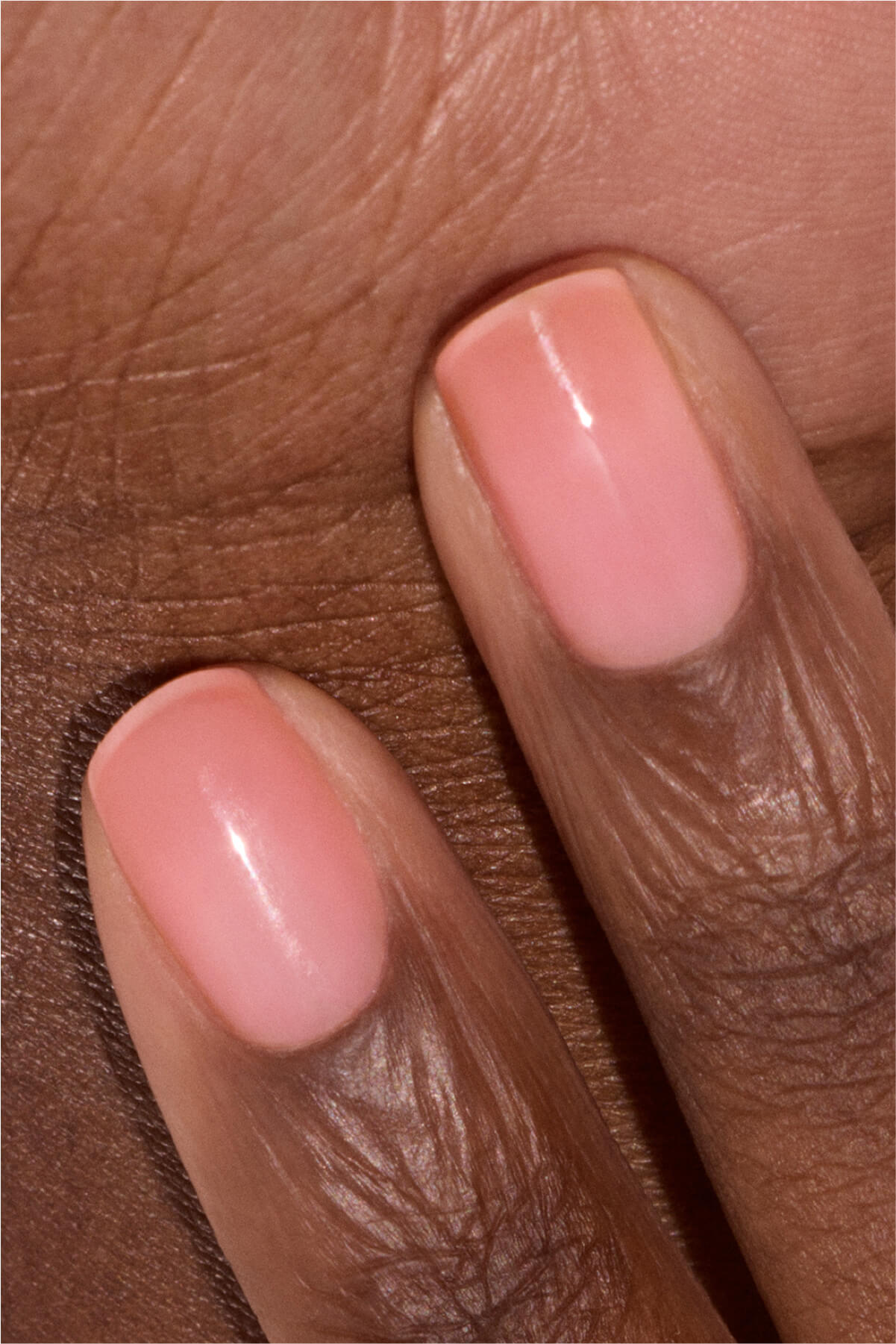
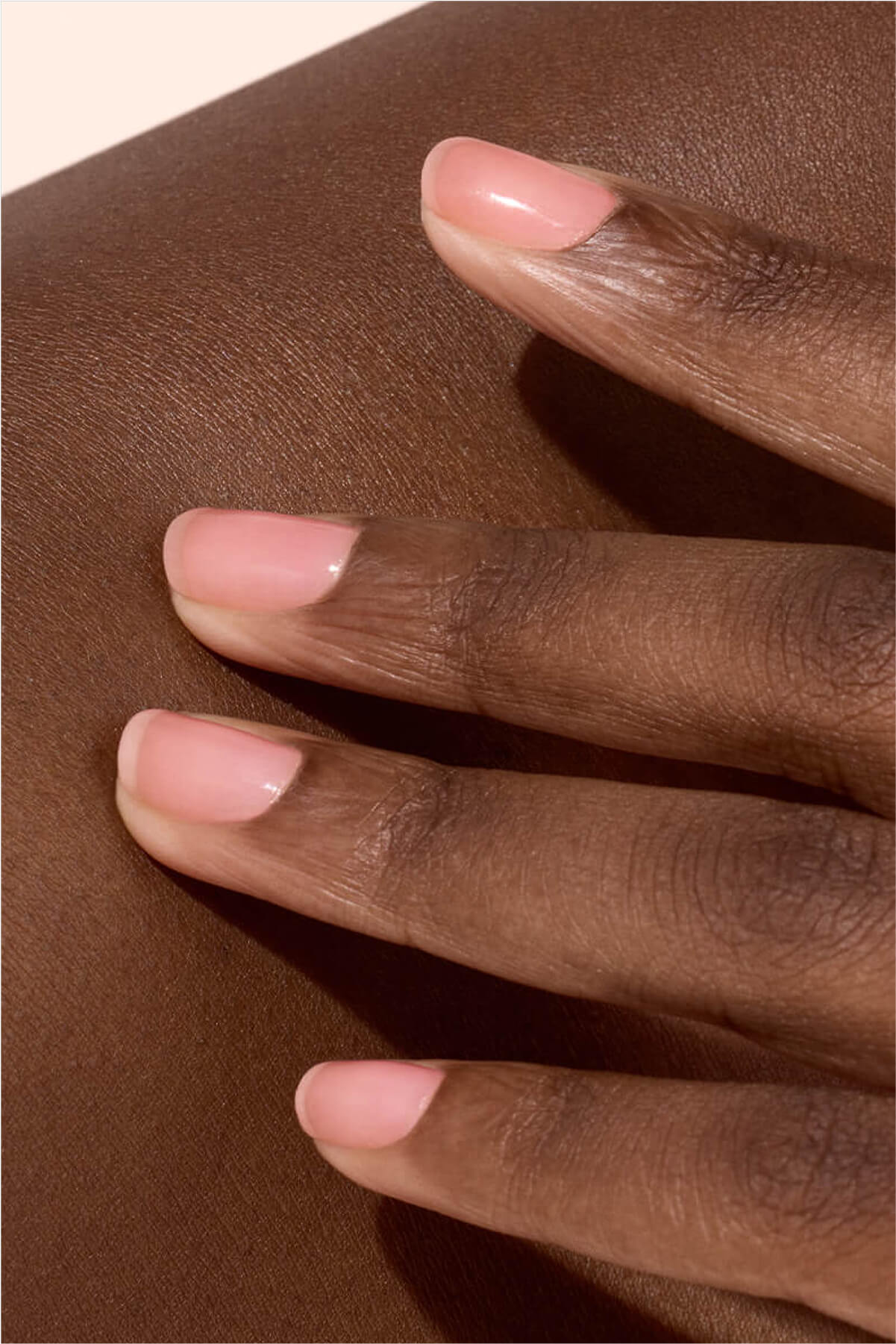
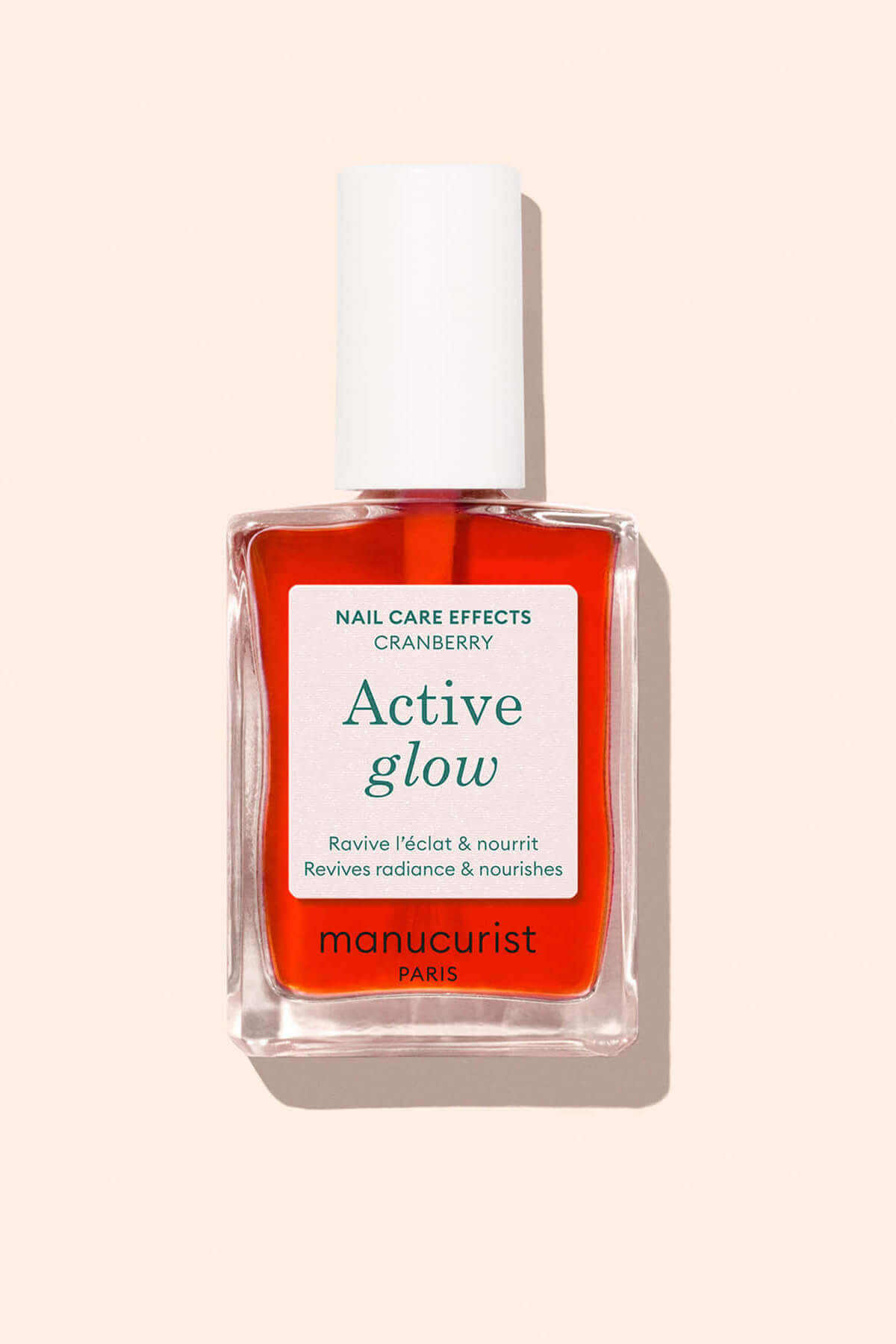
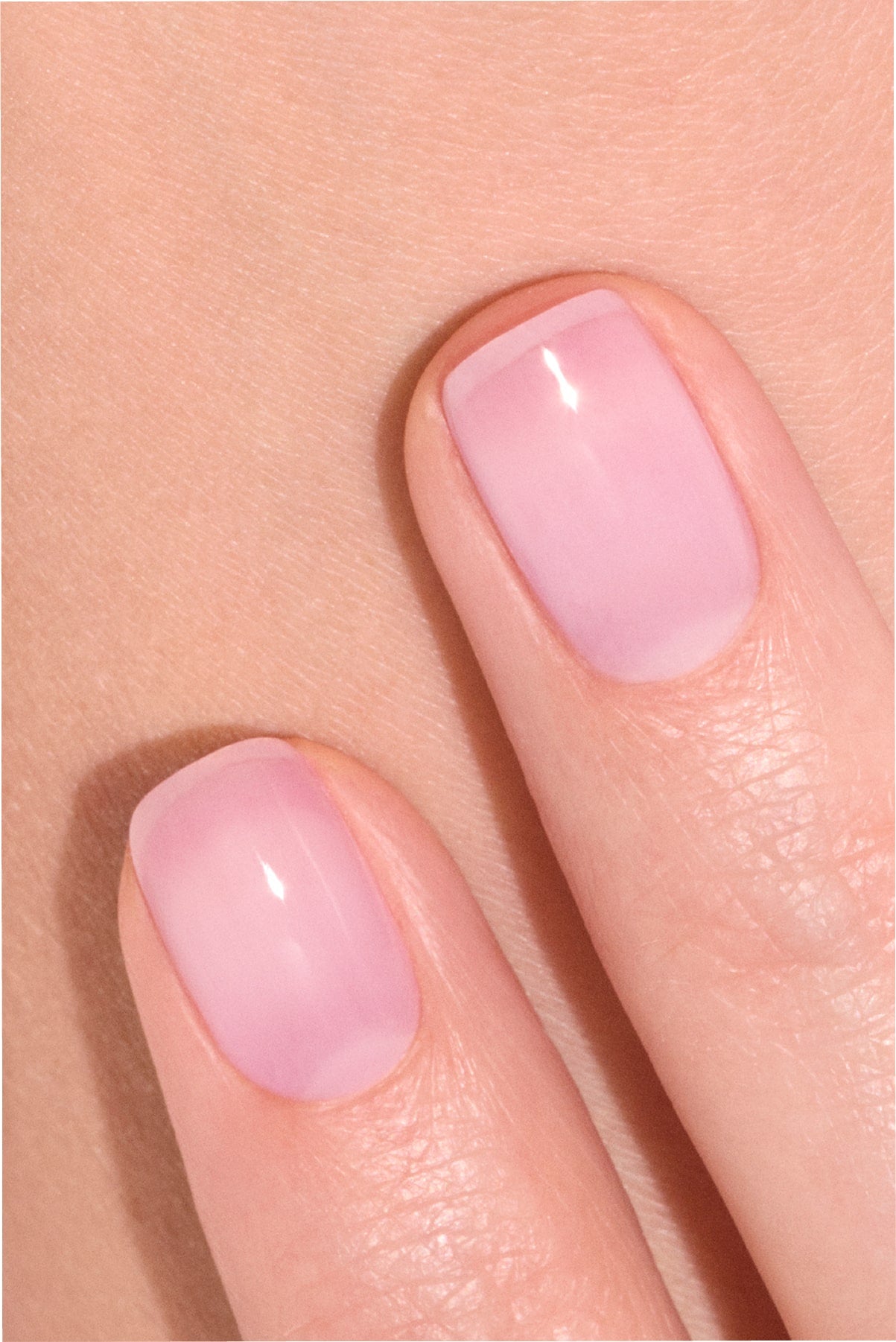
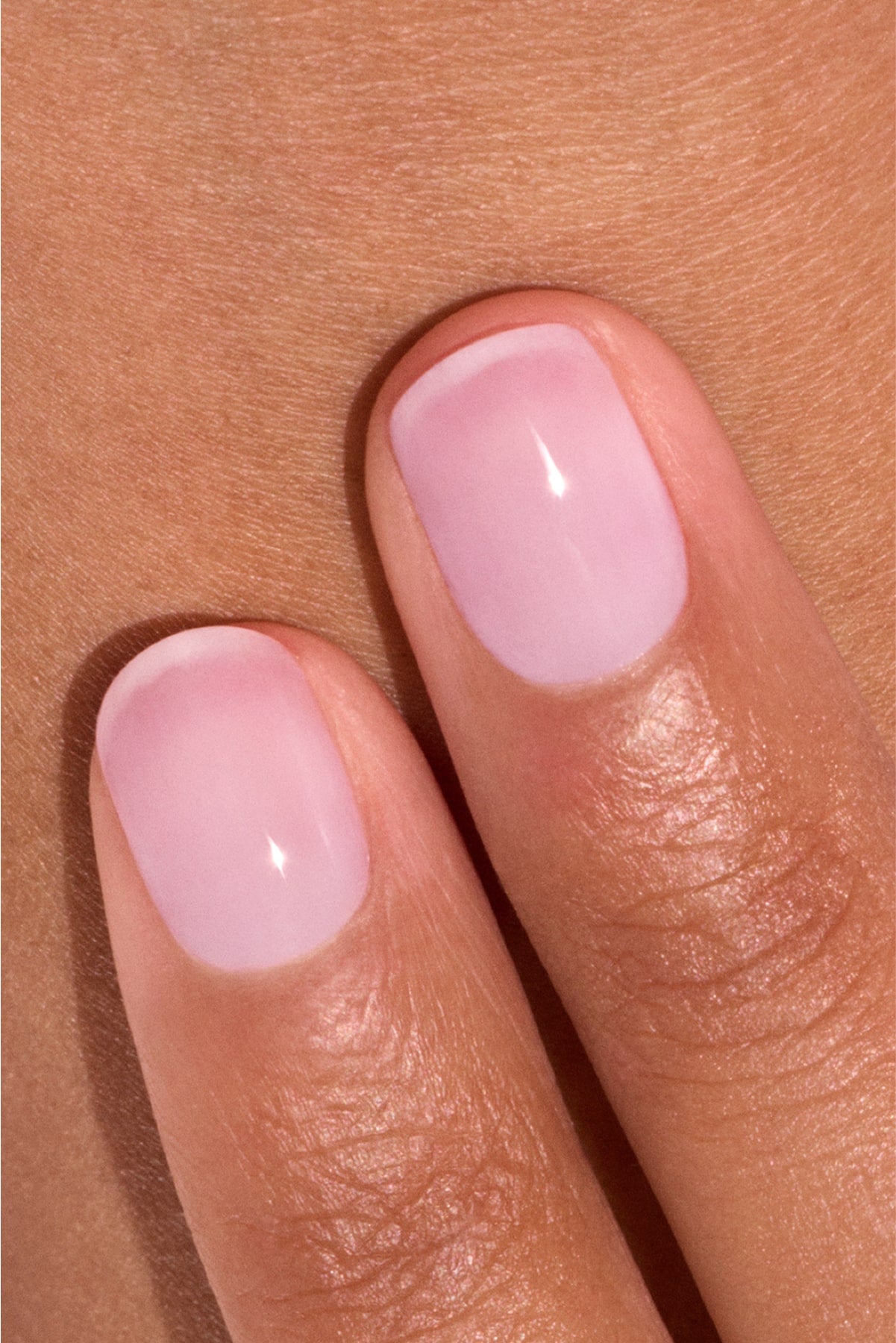
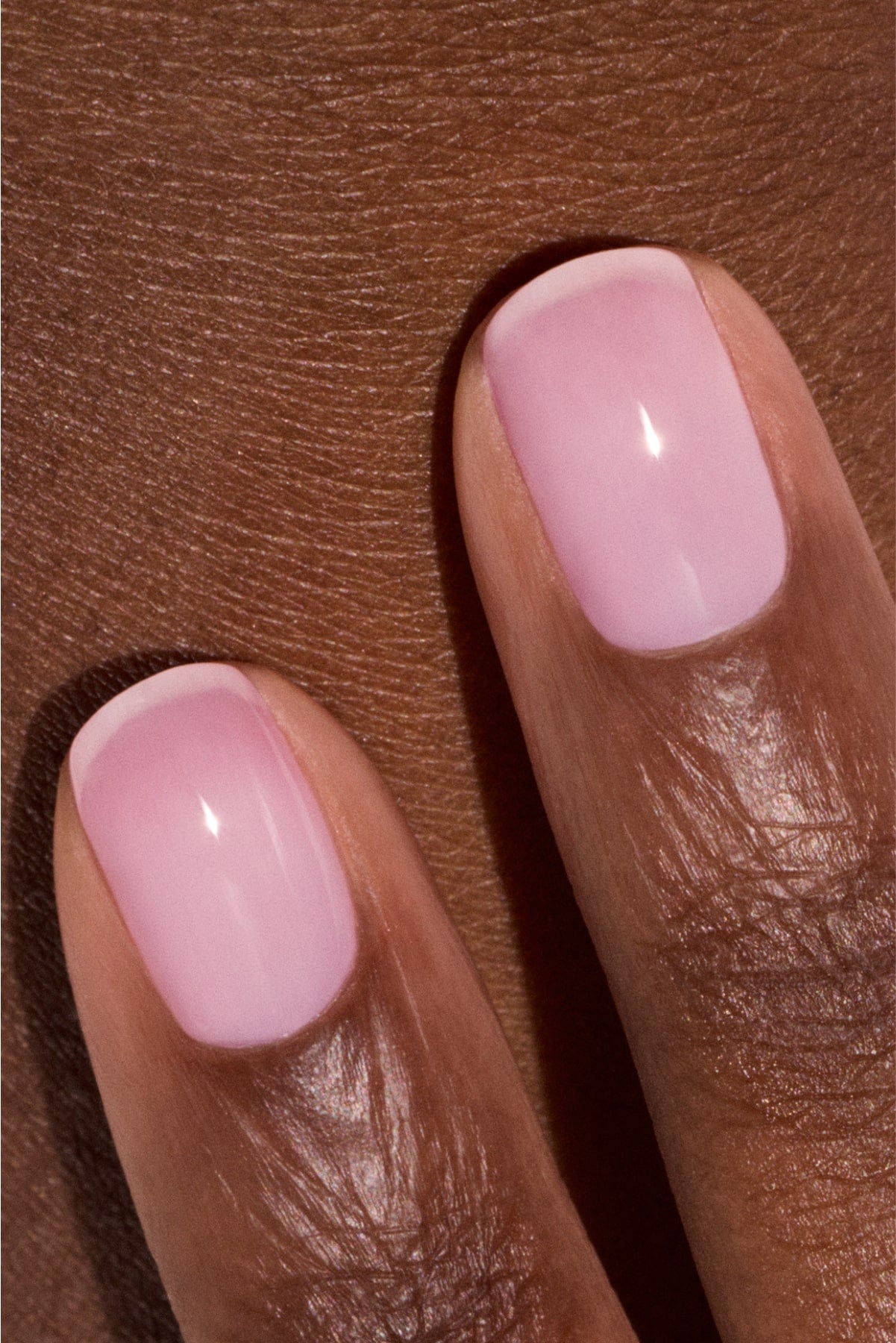
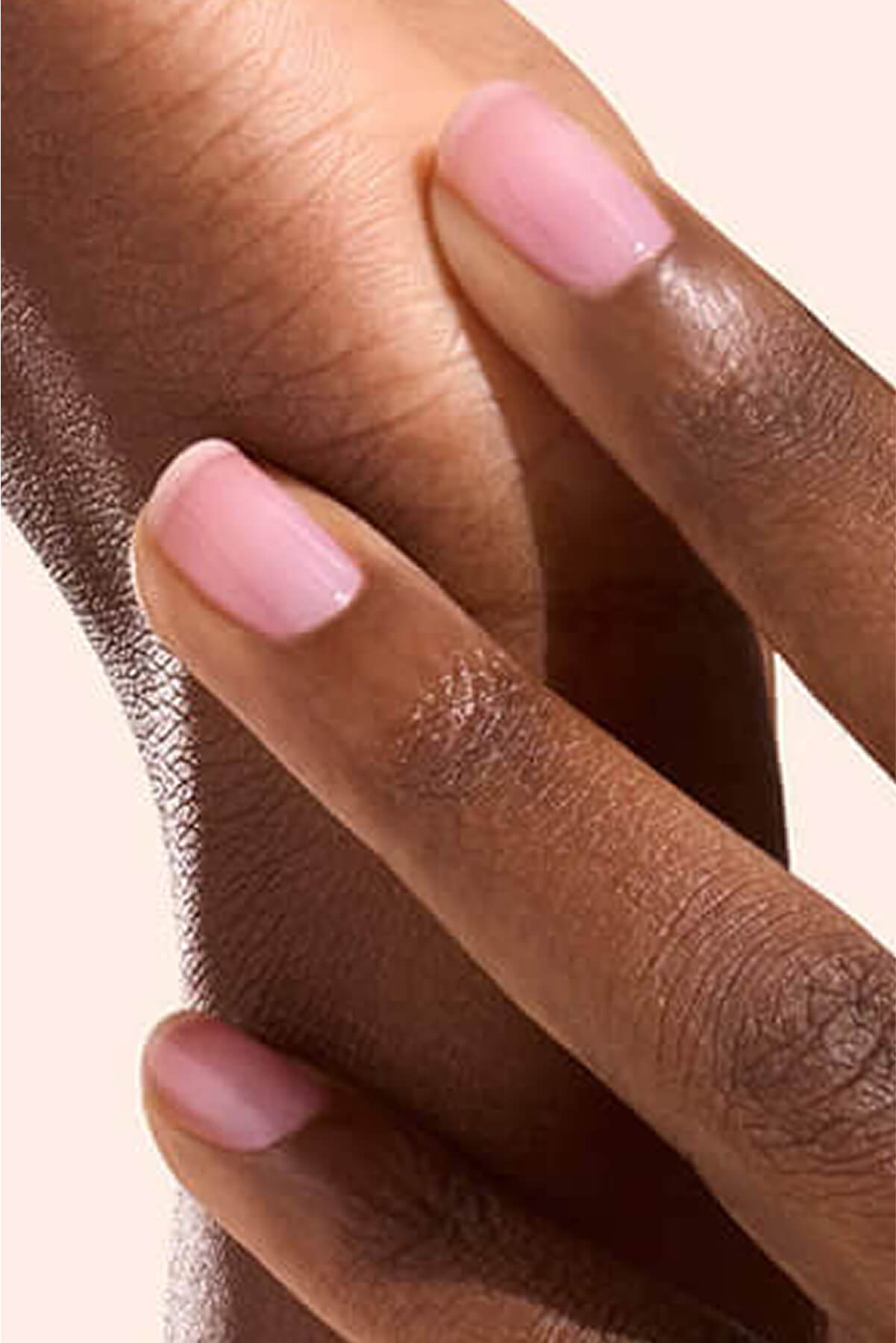
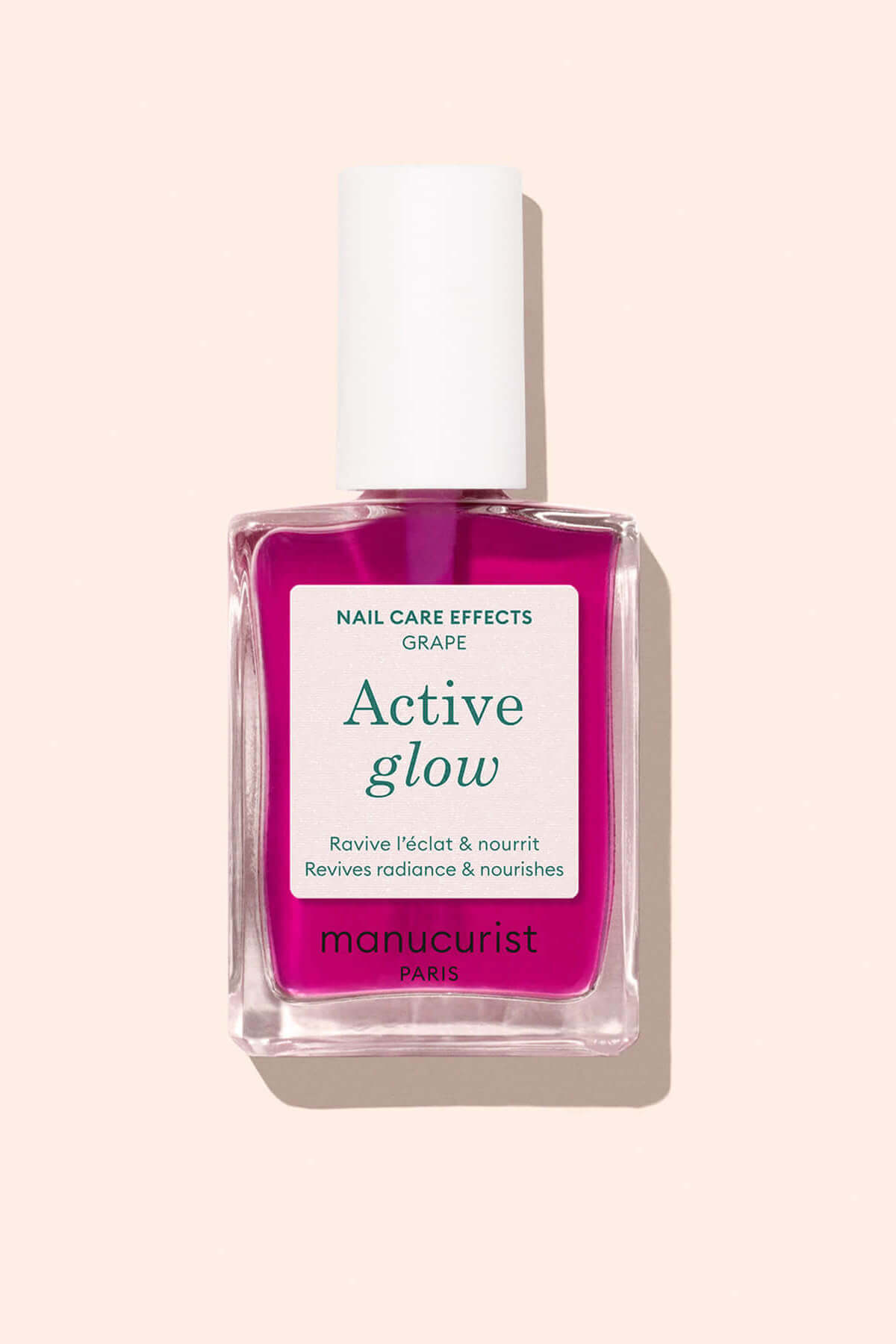
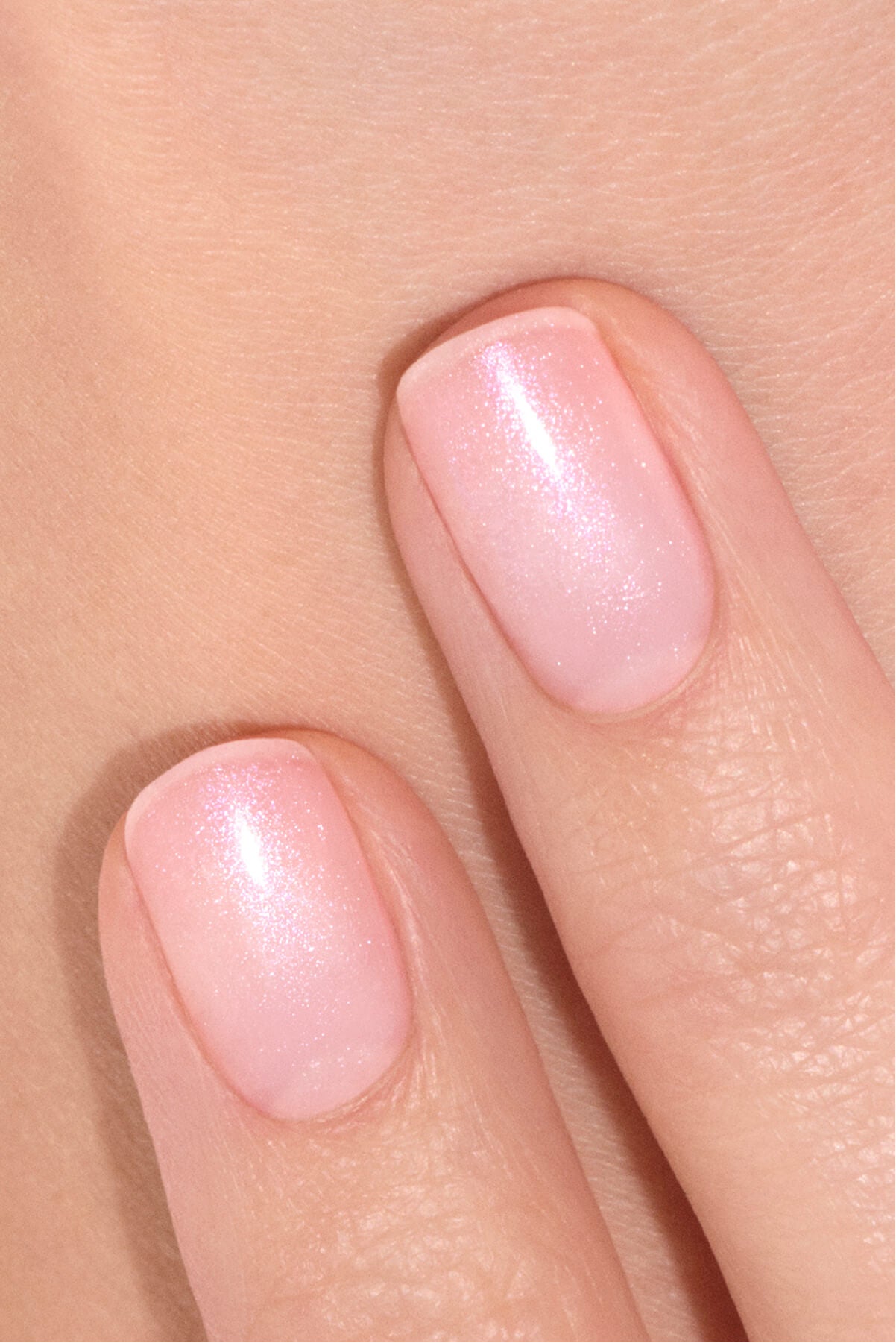
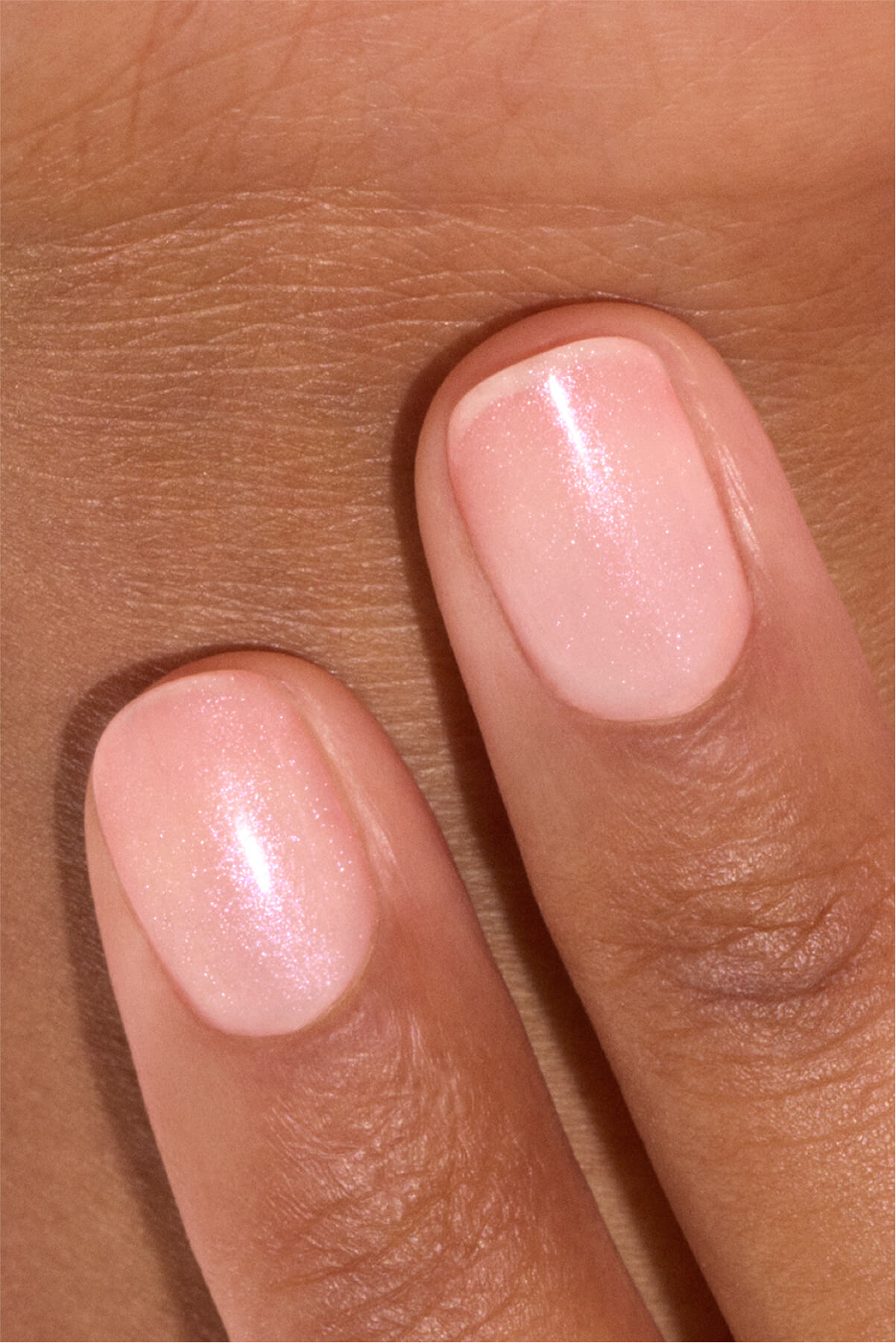
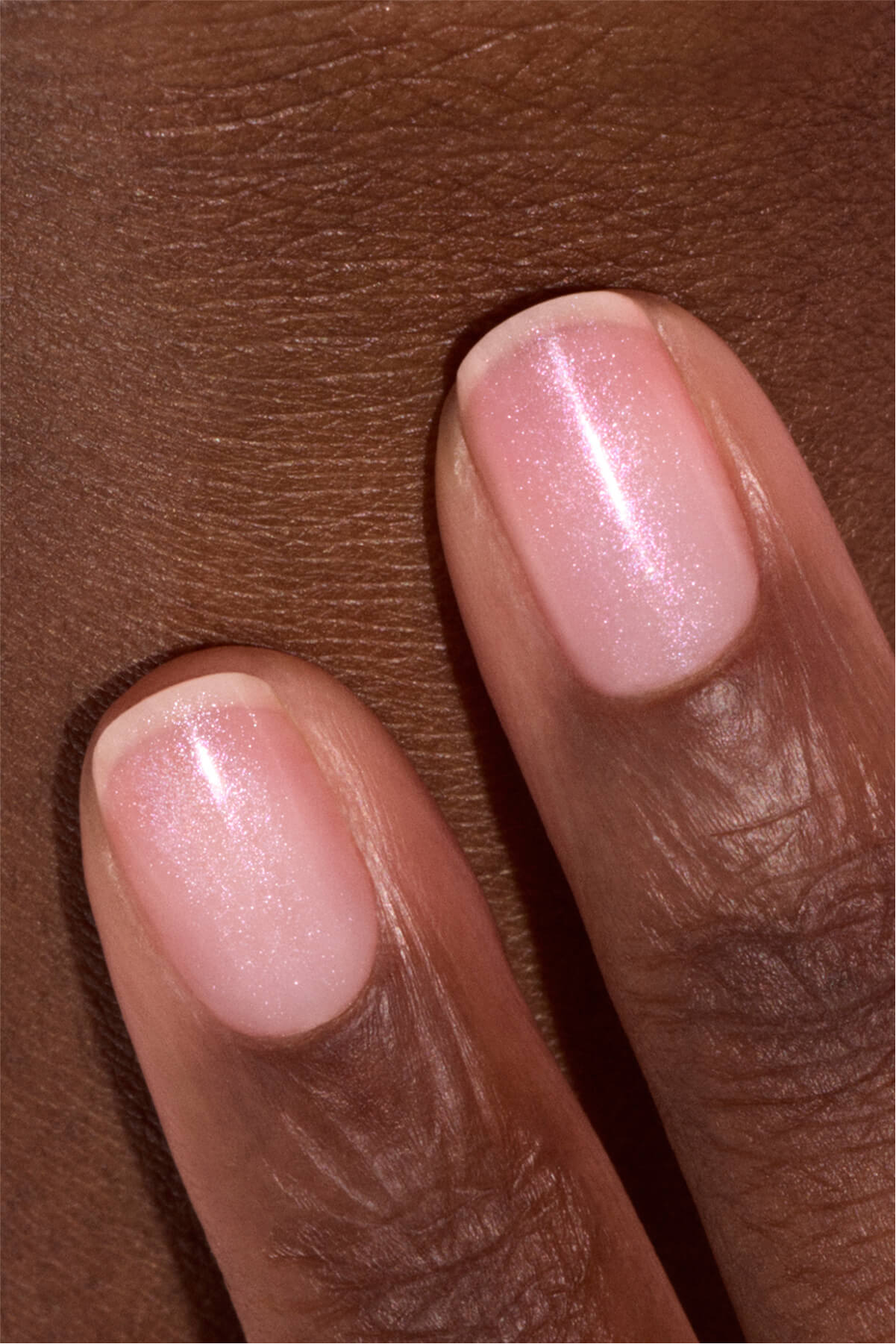
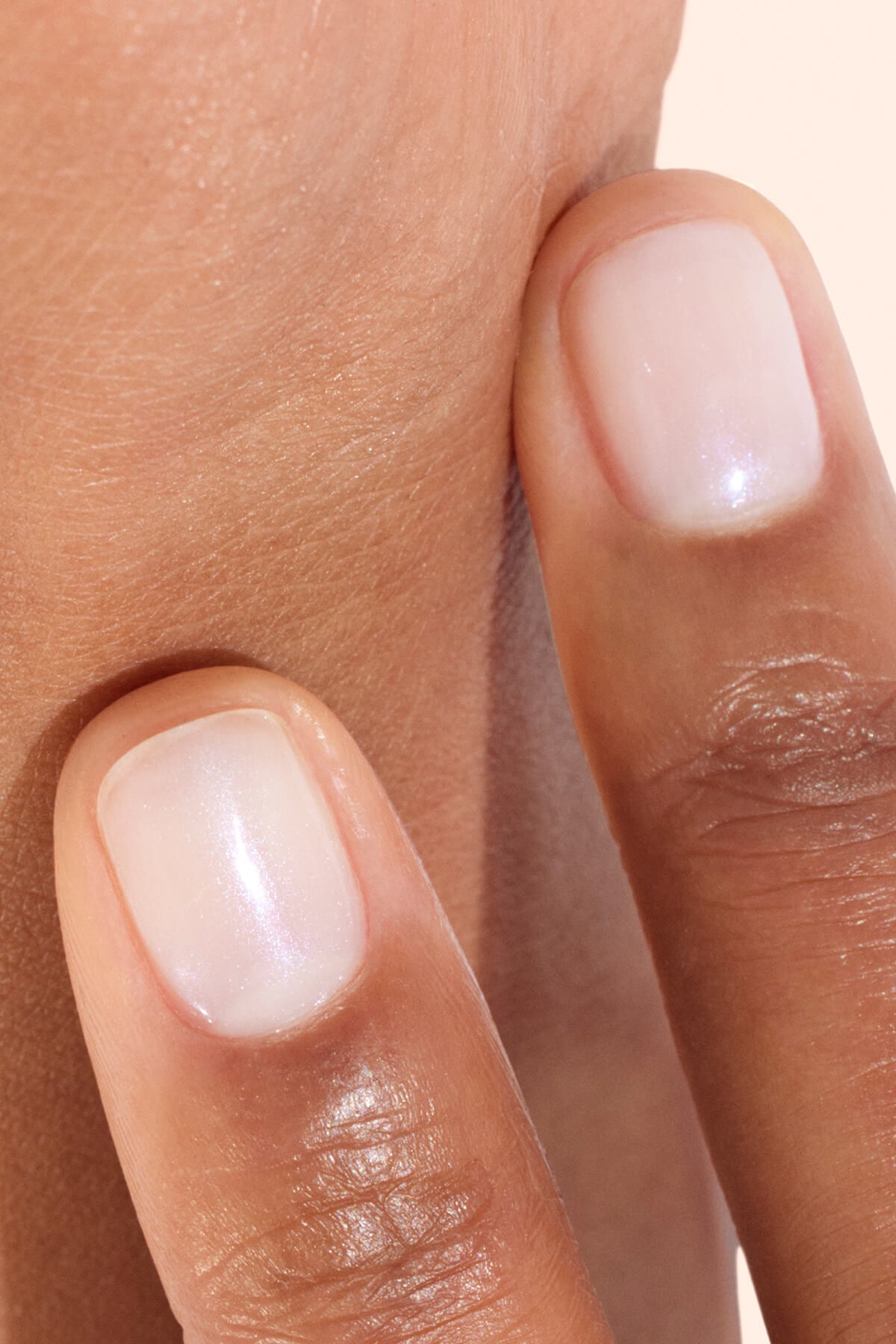
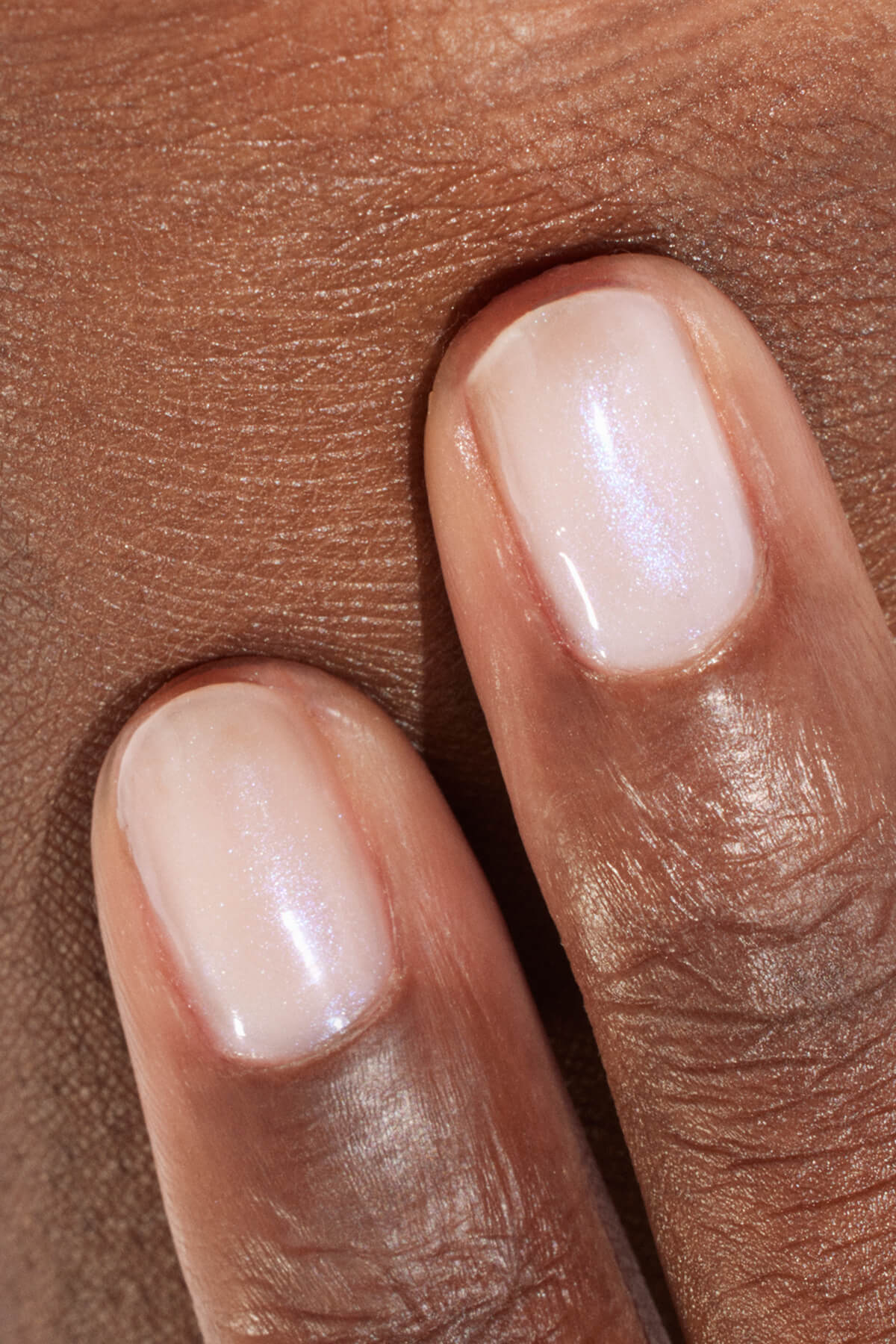
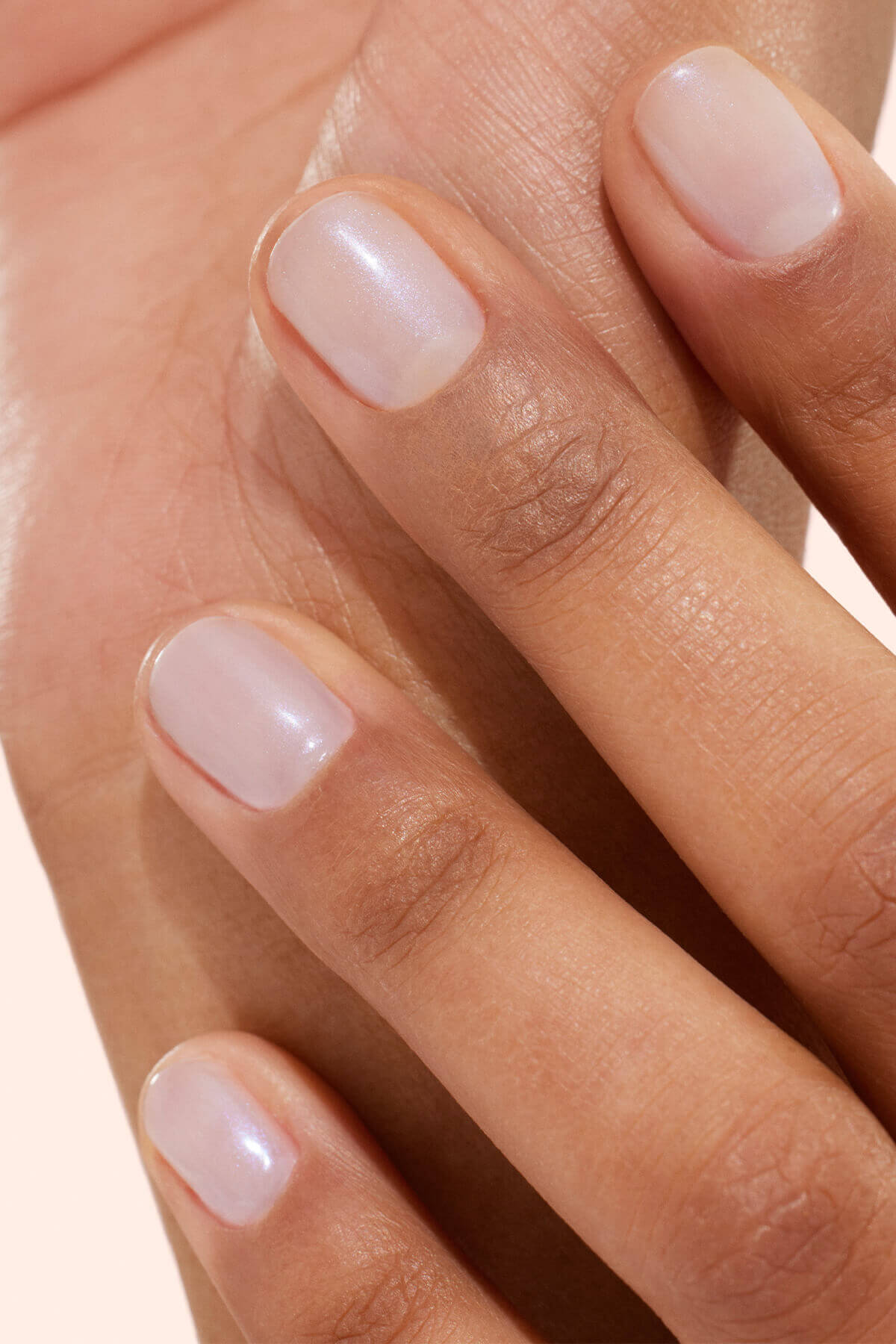
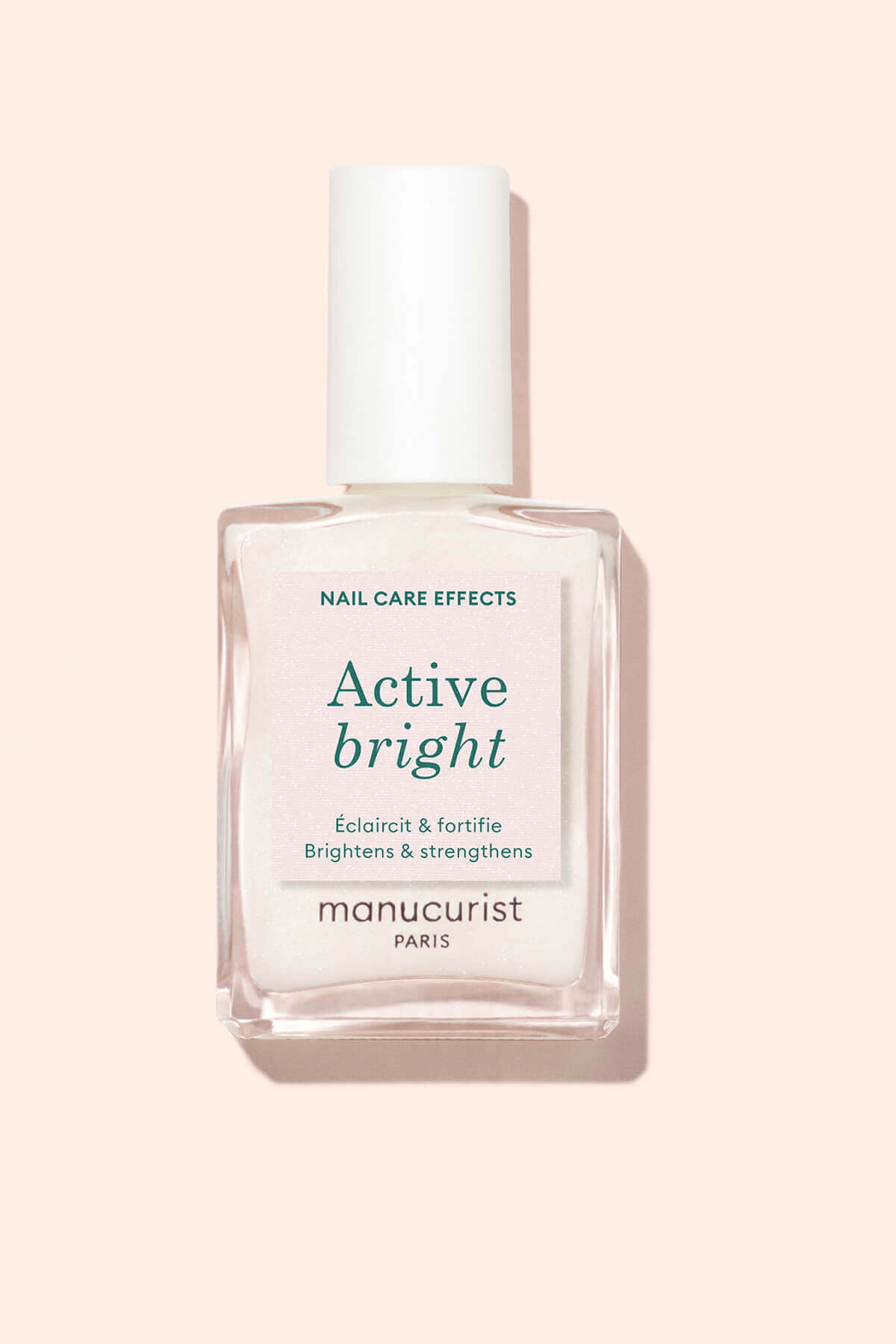
Your nails are gradually returning to their natural shape, so how about giving them a boost of radiance while continuing to treat them deeply? With the Make-up treatments from Manucurist’s Active™ range, this 2-in-1 effect is within reach. For bitten nails on the mend, you can choose between two nail polish effects:
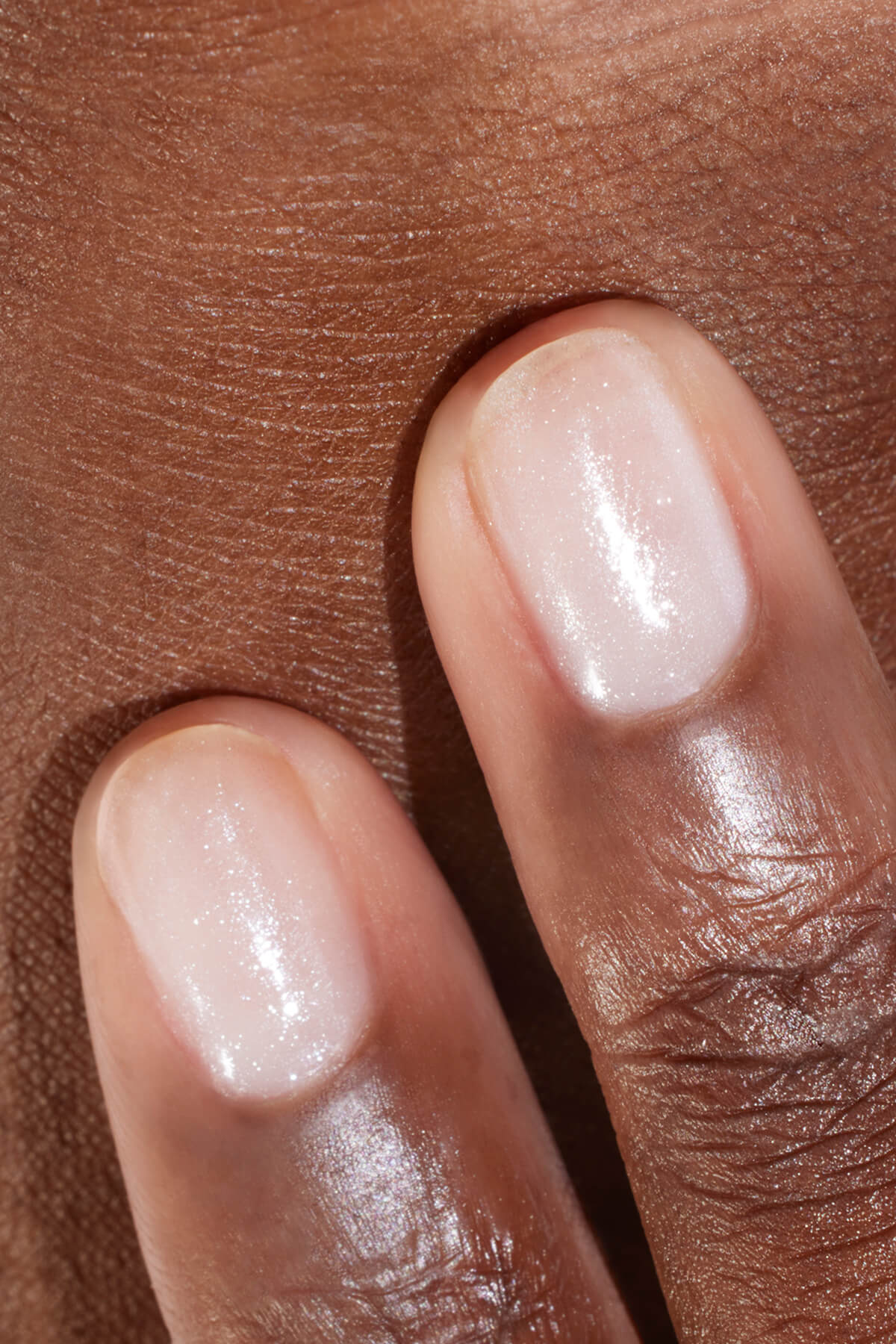
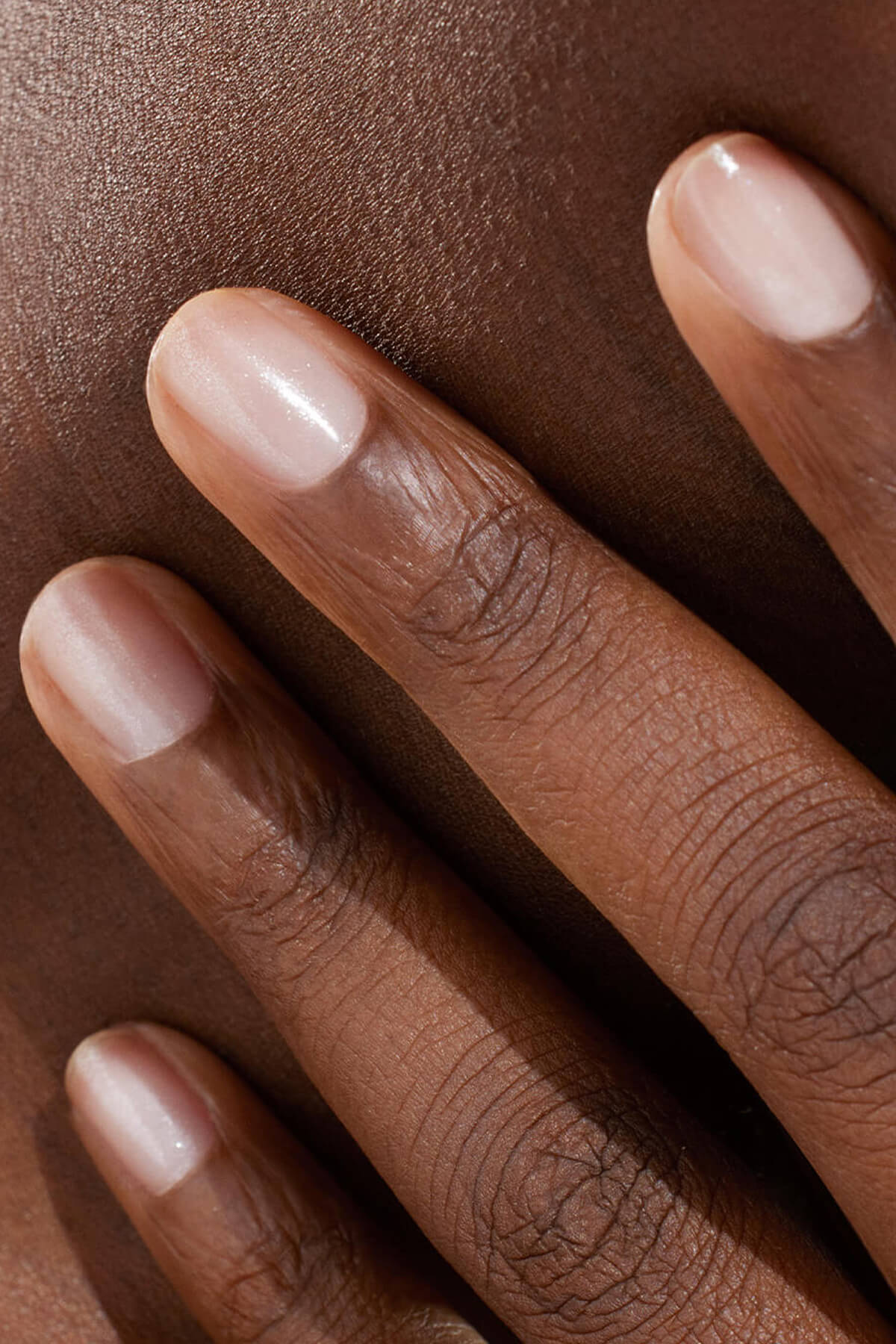
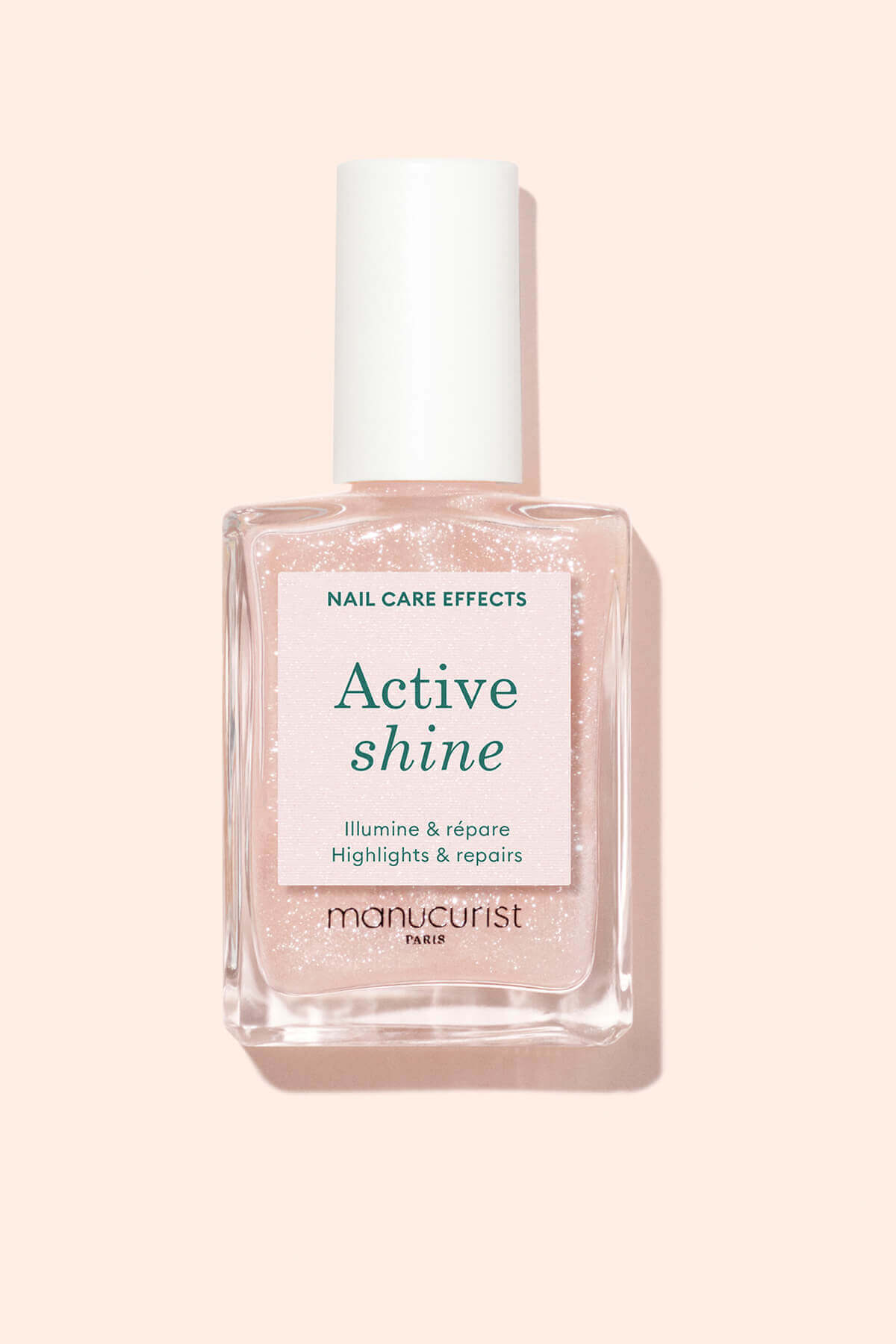
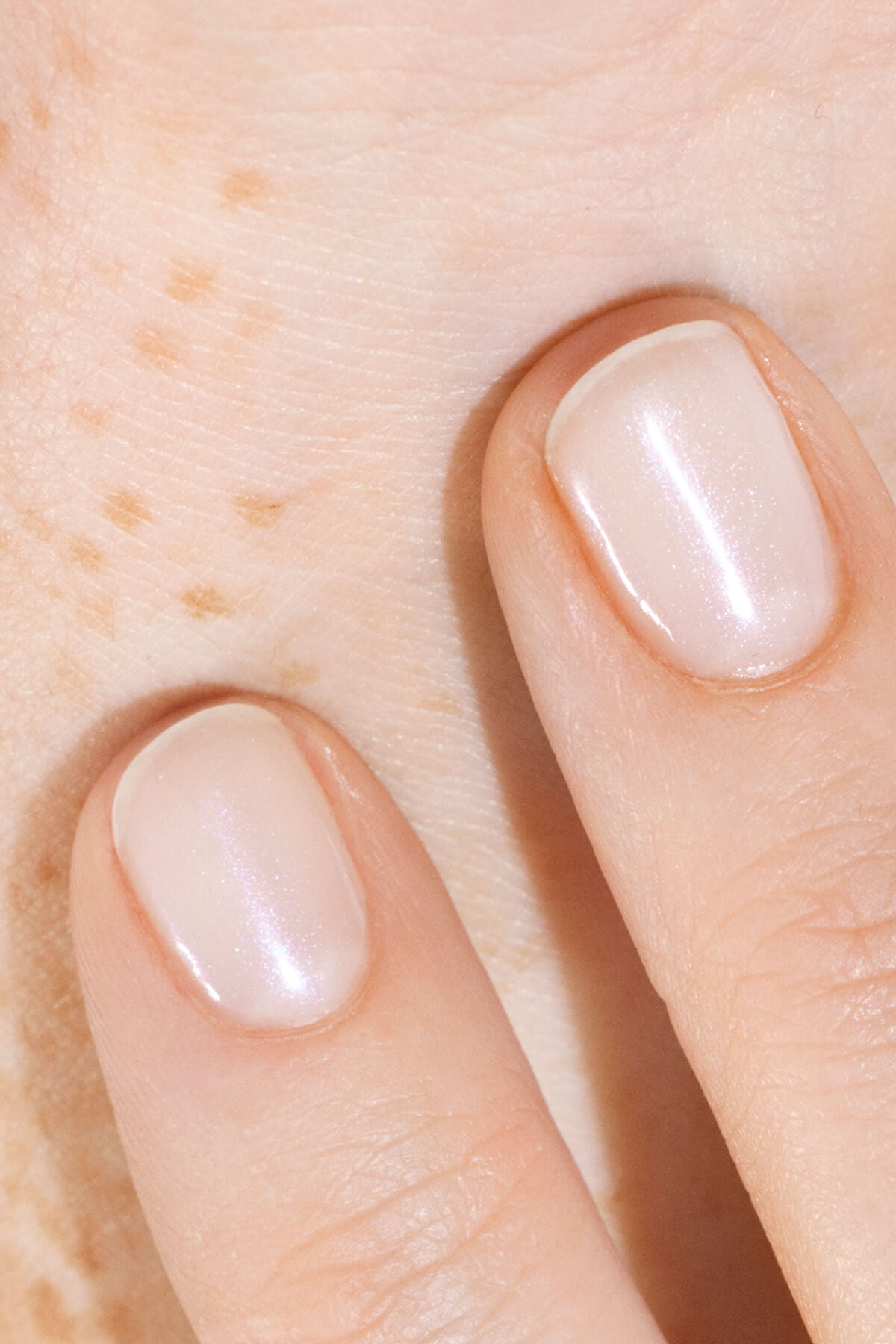
- Active™ Shine: its pearly beige, 79.5% bio-based formula contains antioxidant beetroot extracts and hexanal, particularly effective at hardening and repairing fragile nails. Instant shiny effect!
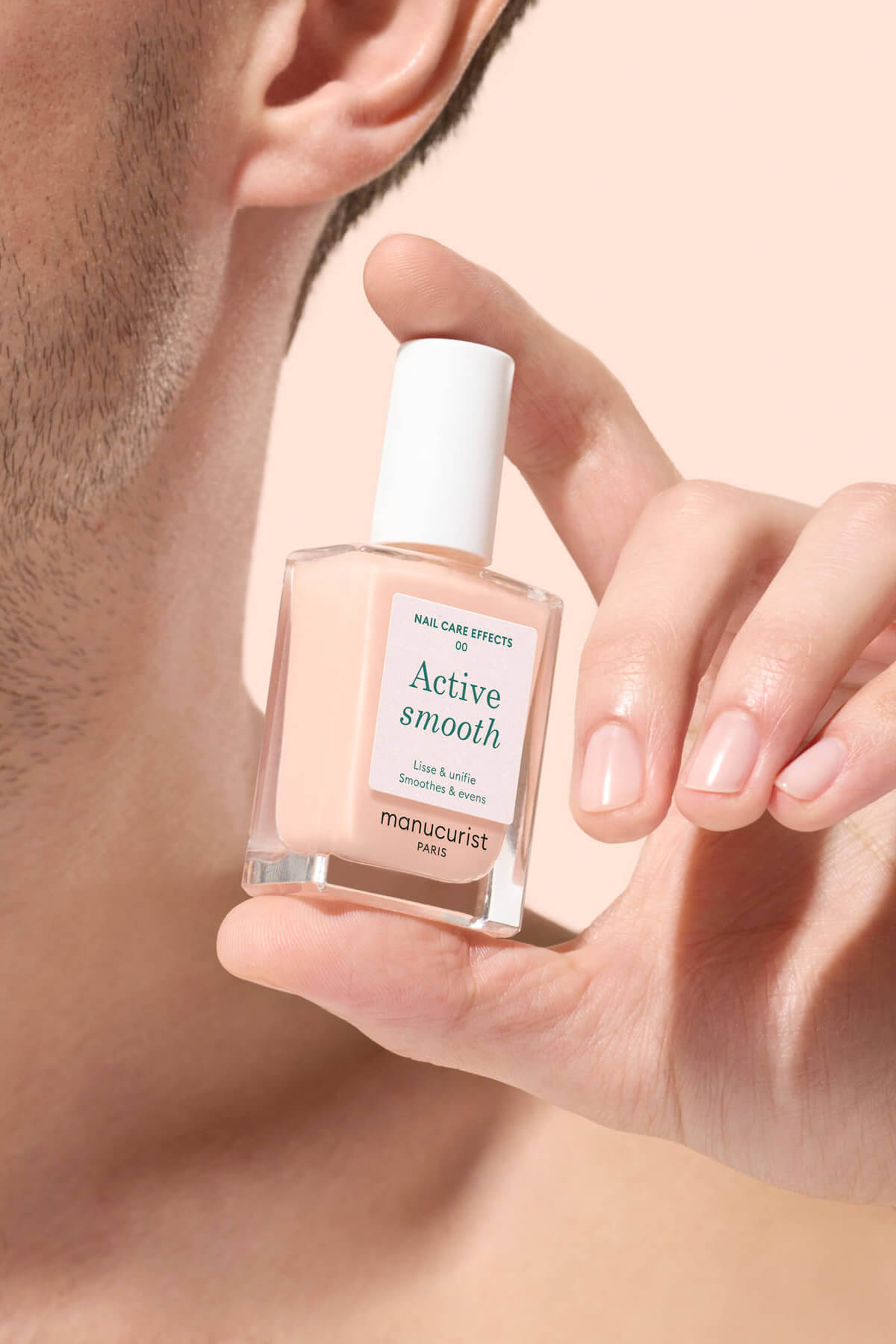
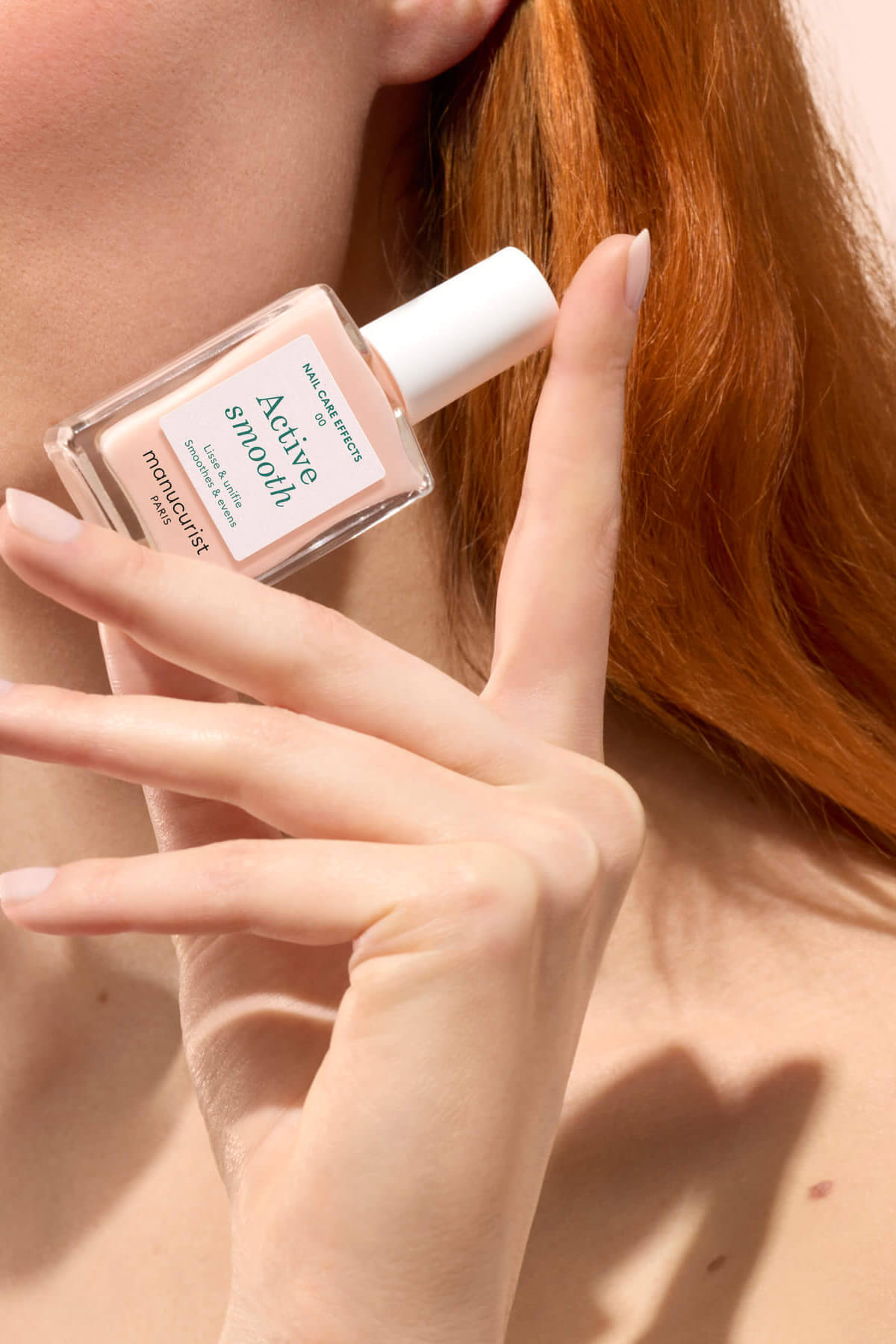
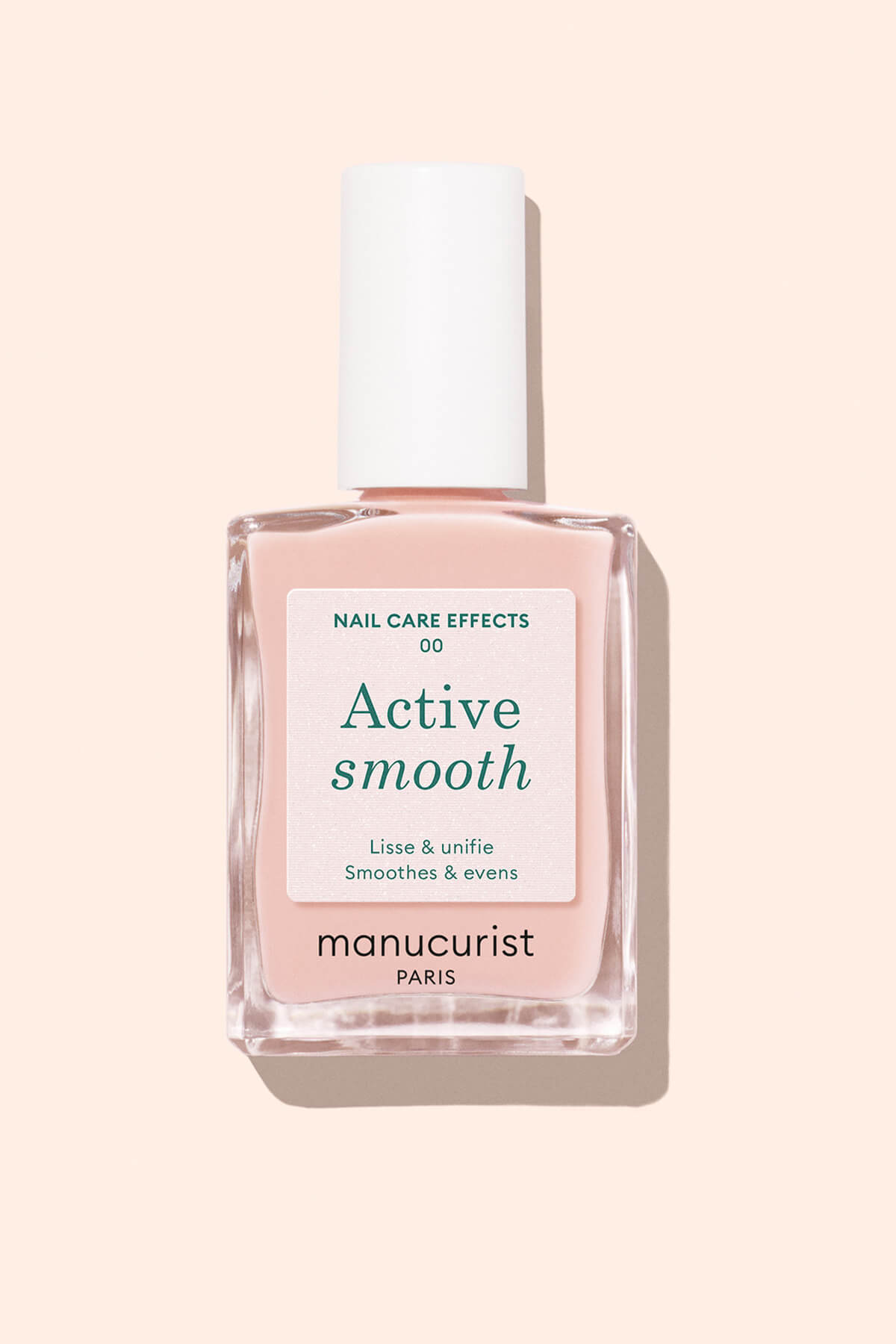
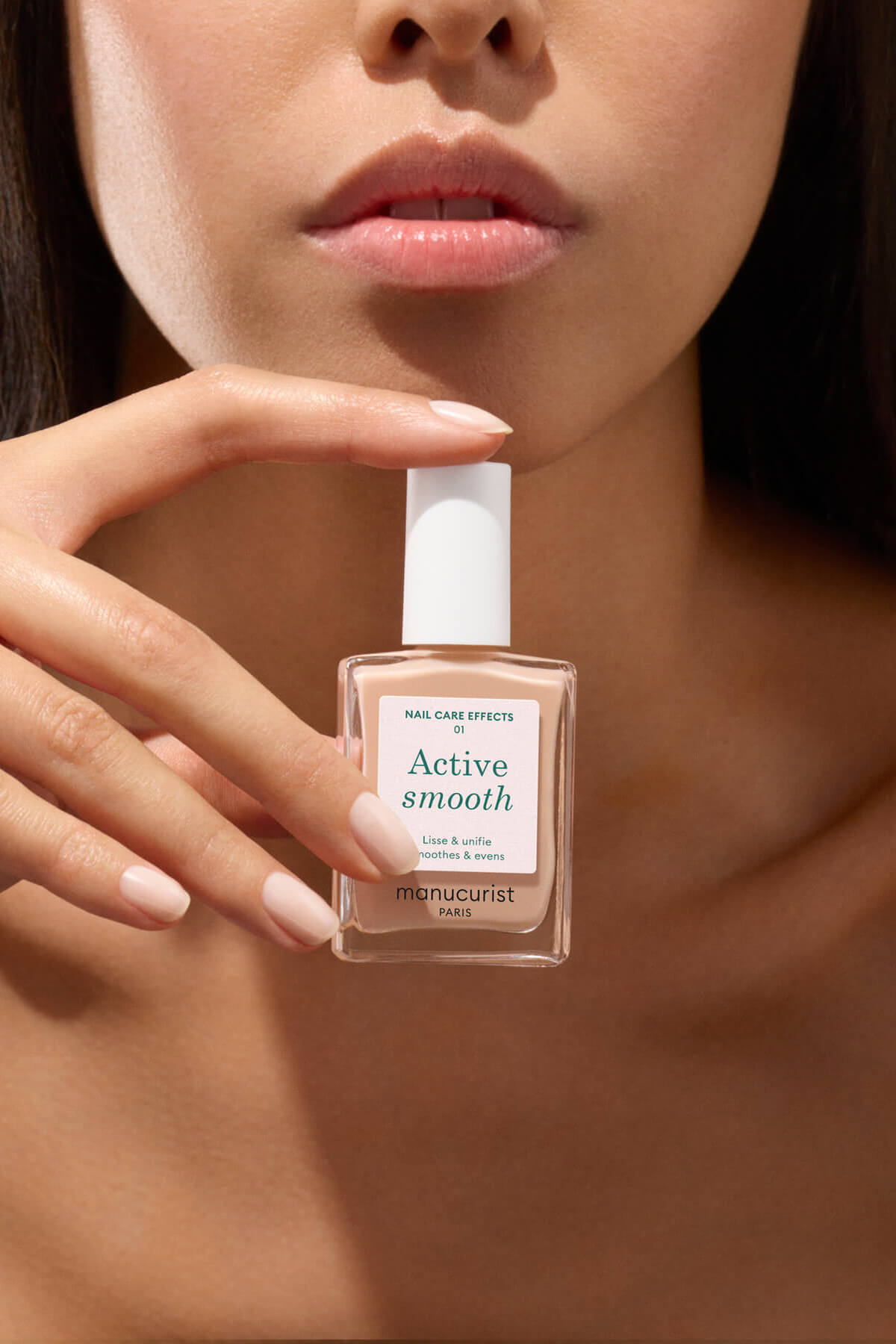
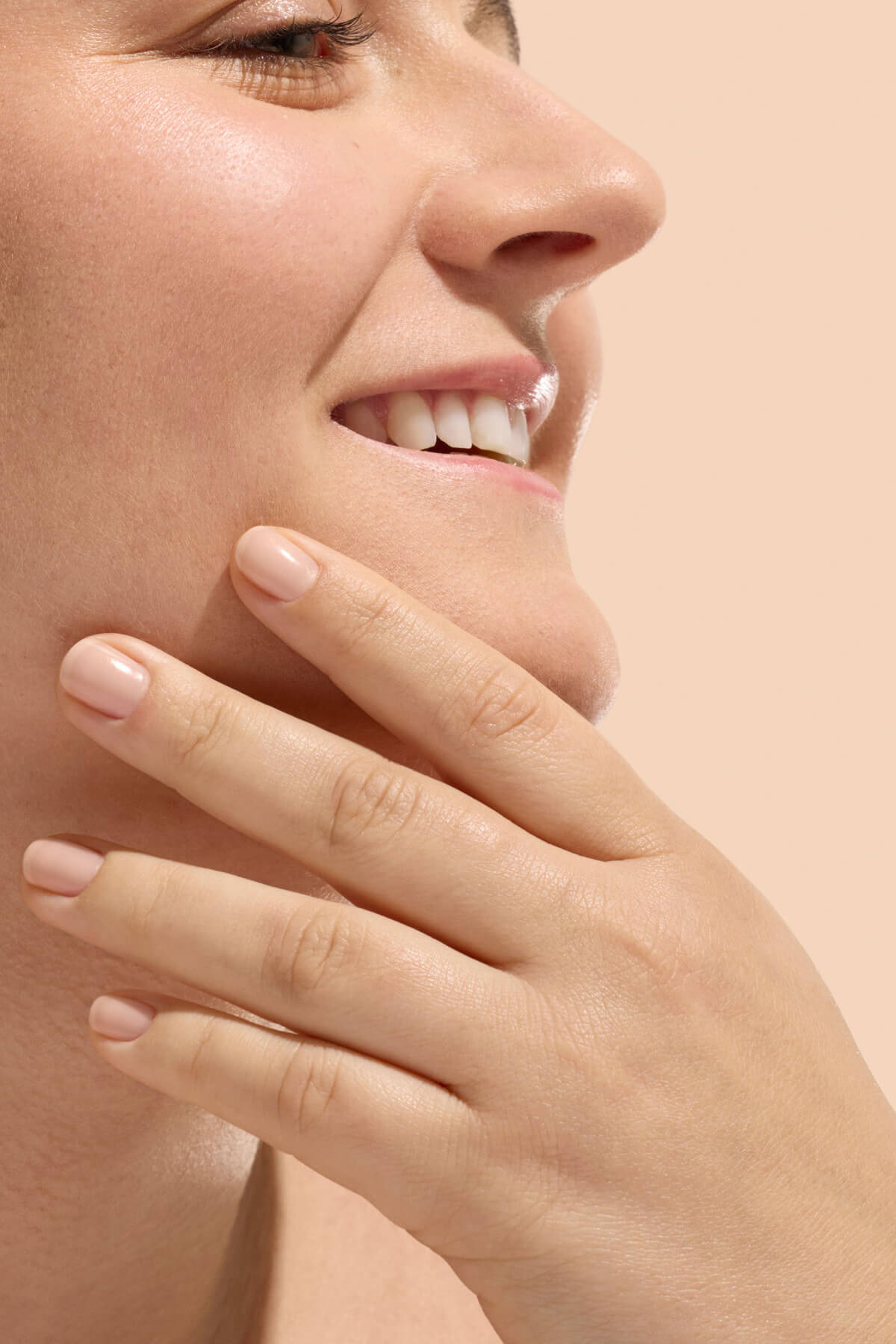
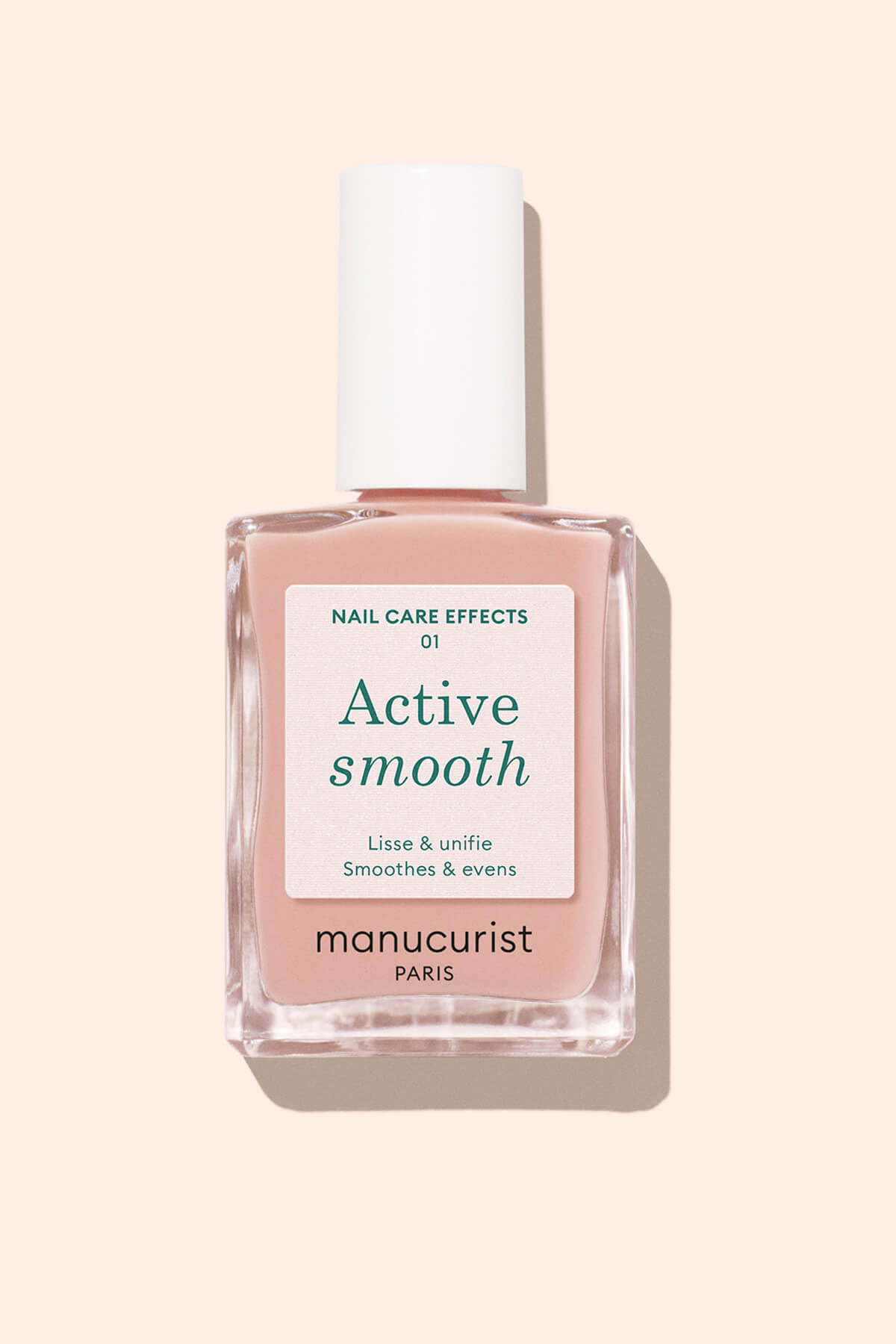
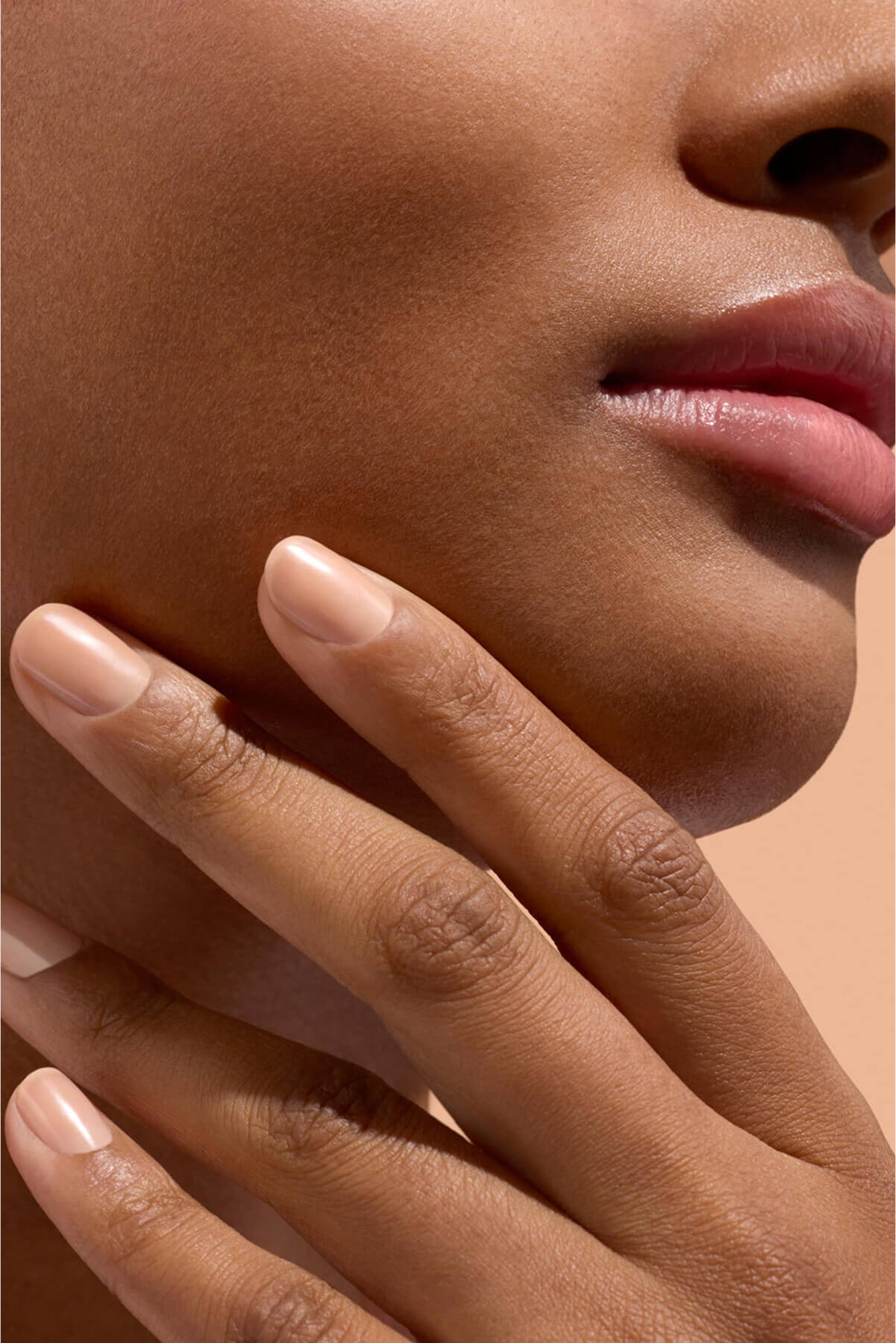
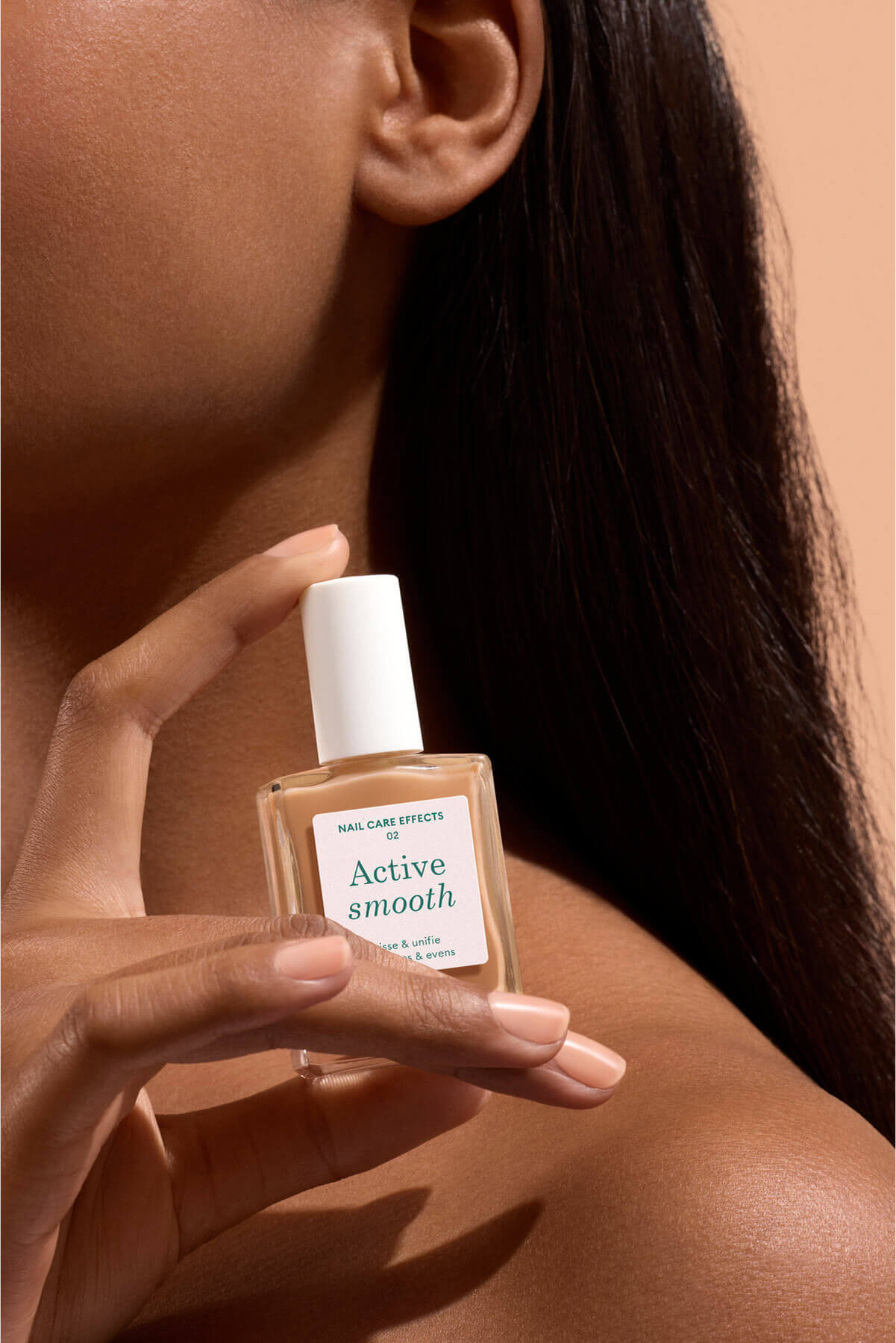
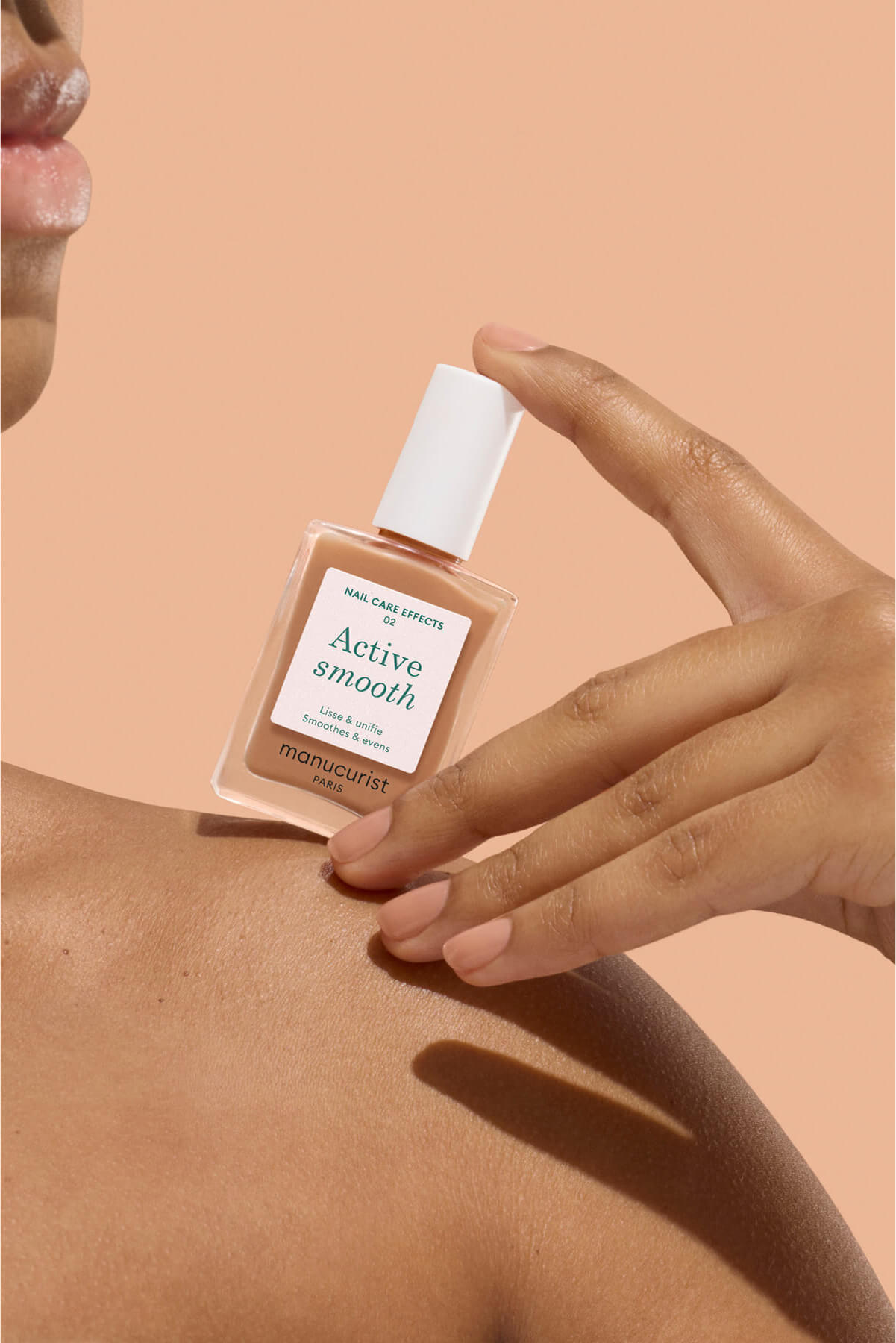
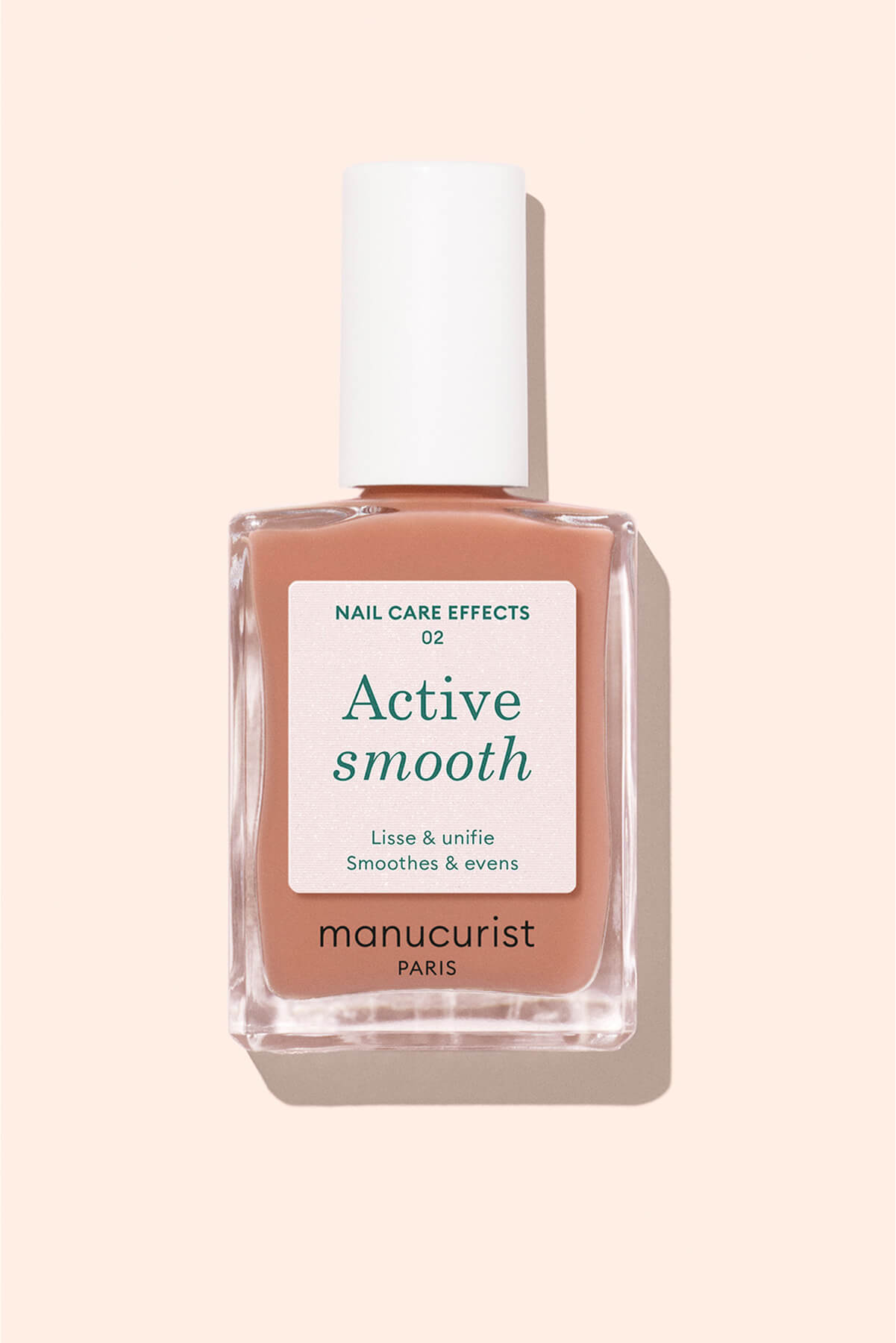
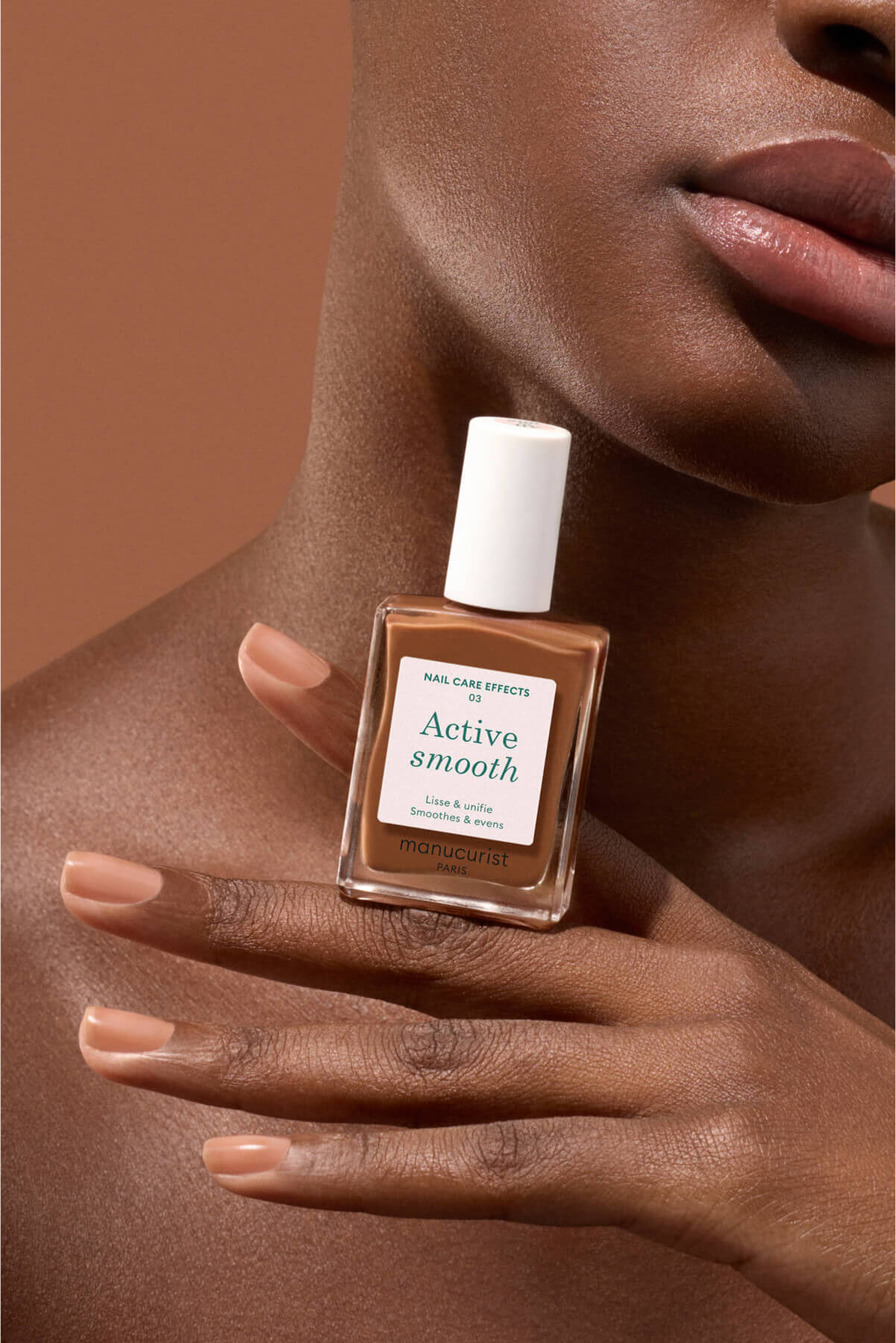
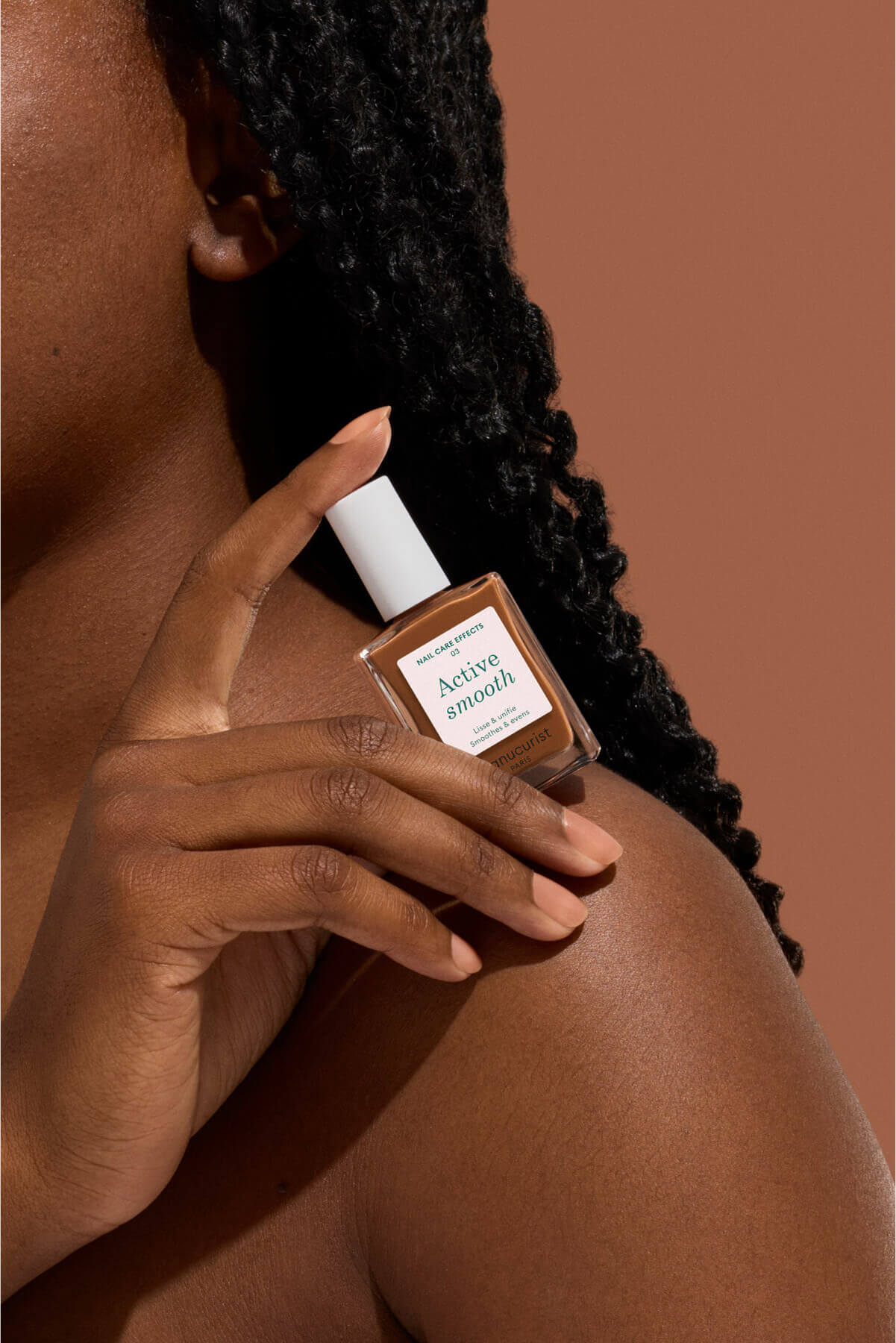
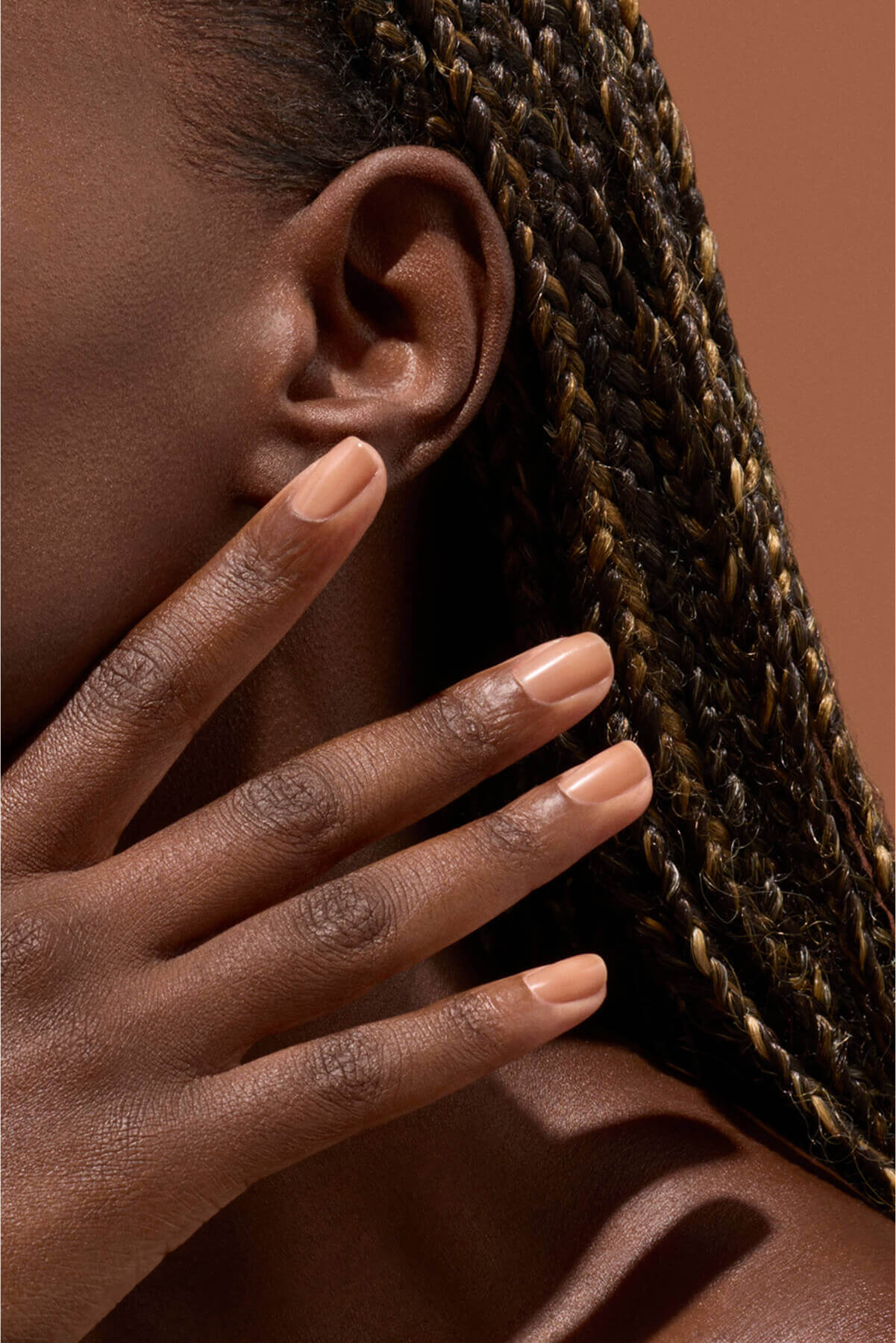
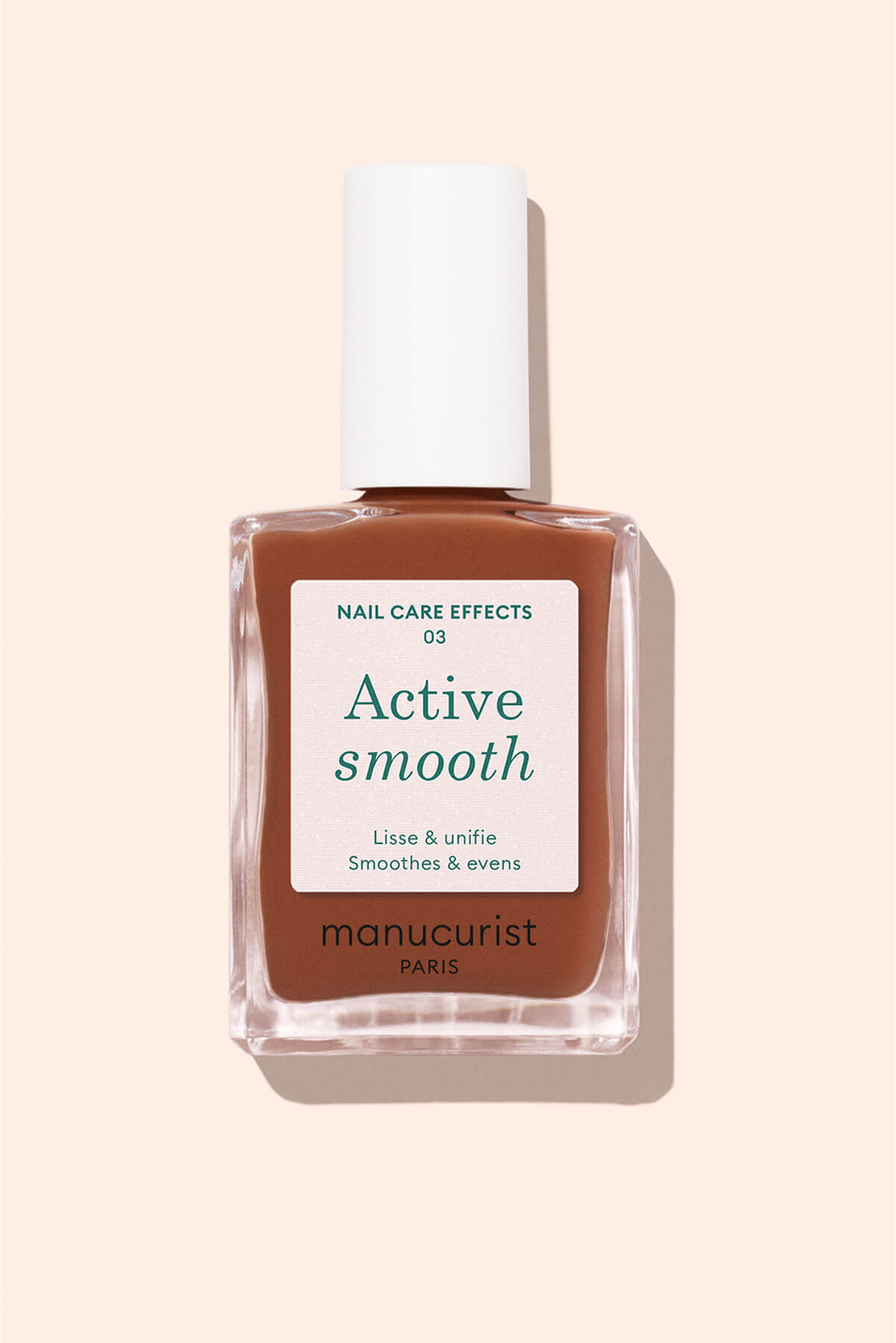
- Active™ Smooth: its 80% bio-based rosy beige shade contains castor fibres that blur nail imperfections, AHAs with protective properties and hexanal, particularly effective at hardening and repairing ridged or bite-damaged nails. Instant smoothing effect!


Come on, hands up—no need to hide your nails anymore. With regenerated and strengthened nails, vibrant, vitamin-packed manicures are yours!

Frequently asked questions
How can you successfully stop biting your nails?
The simplest solution to stop biting your nails is to apply a bitter nail polish, preferably bio-based. Its unpleasant taste will discourage you from nibbling at your fingertips. It will also help you identify the emotions that trigger the urge to bite your nails. Find alternatives to keep your hands or jaw busy when you are faced with these types of emotions again. If you can’t manage on your own, don’t hesitate to seek help from a specialised therapist.
How can you get beautiful nails after biting them for a long time?
After several weeks without biting your nails, the priority is rebuilding the nail plate, weakened by years of damage. A course of dietary supplements can help stimulate keratin production. It is also essential to establish a skincare routine to deeply hydrate and nourish your nails. Wait until they are regenerated and strengthened before applying regular or gel polish.