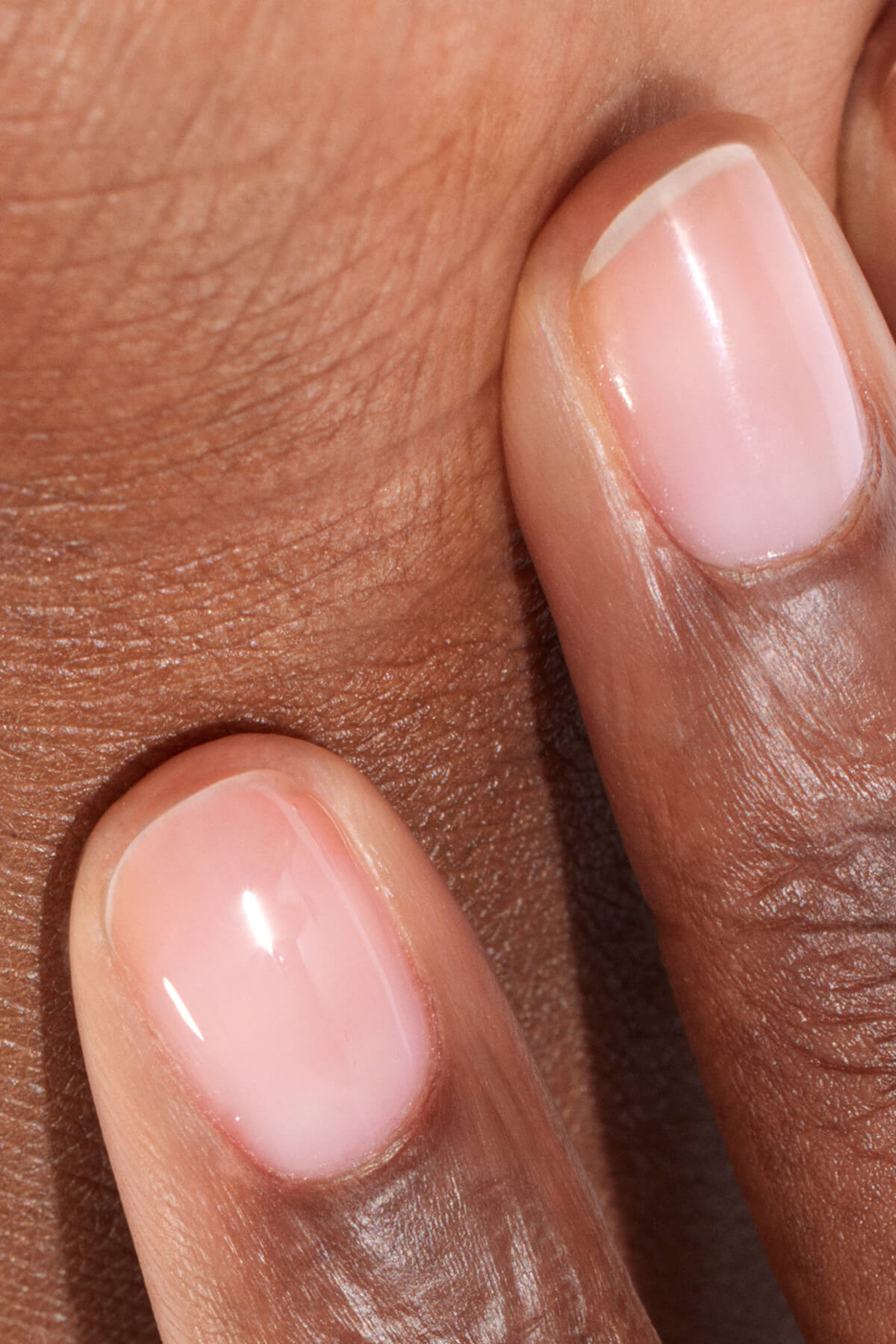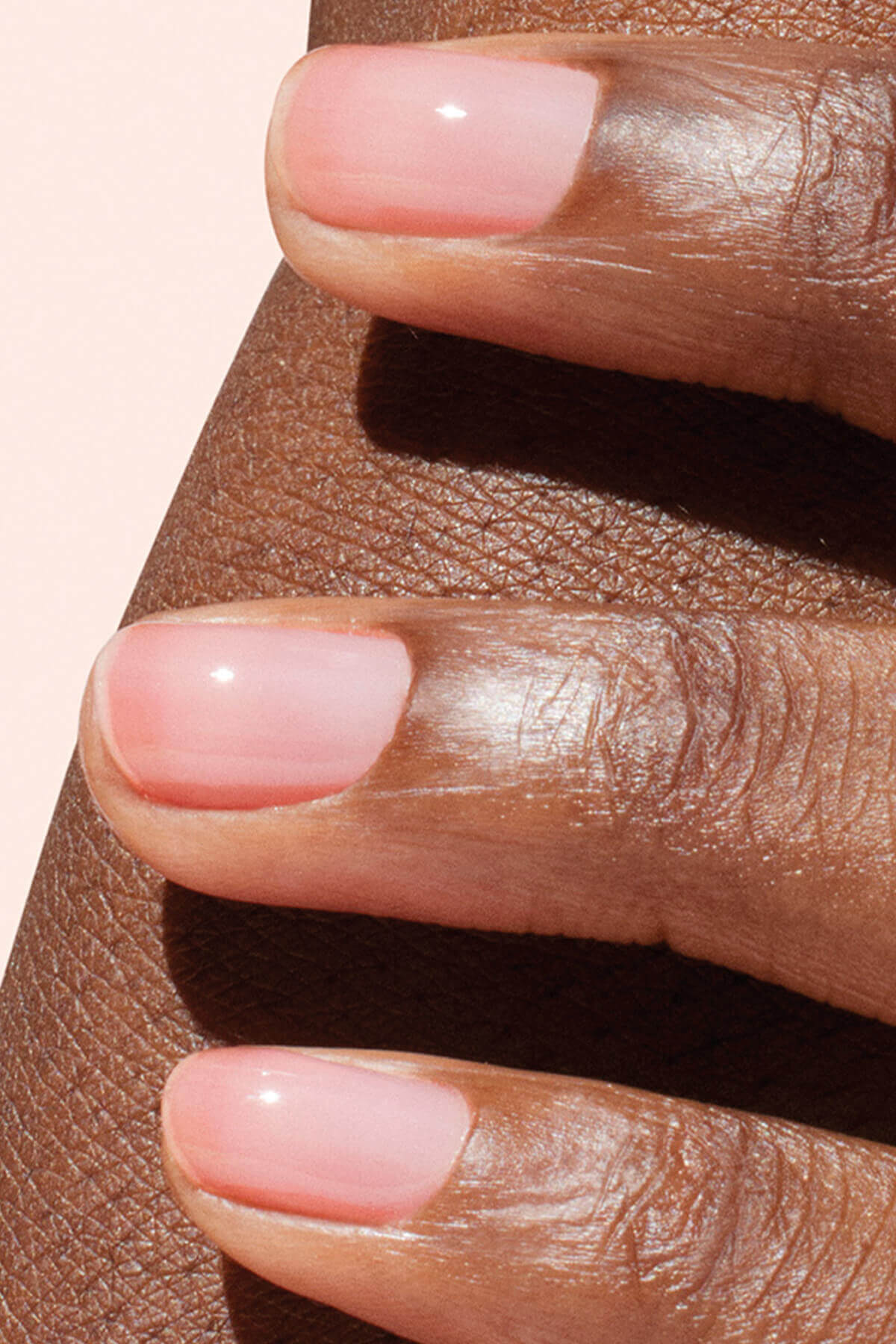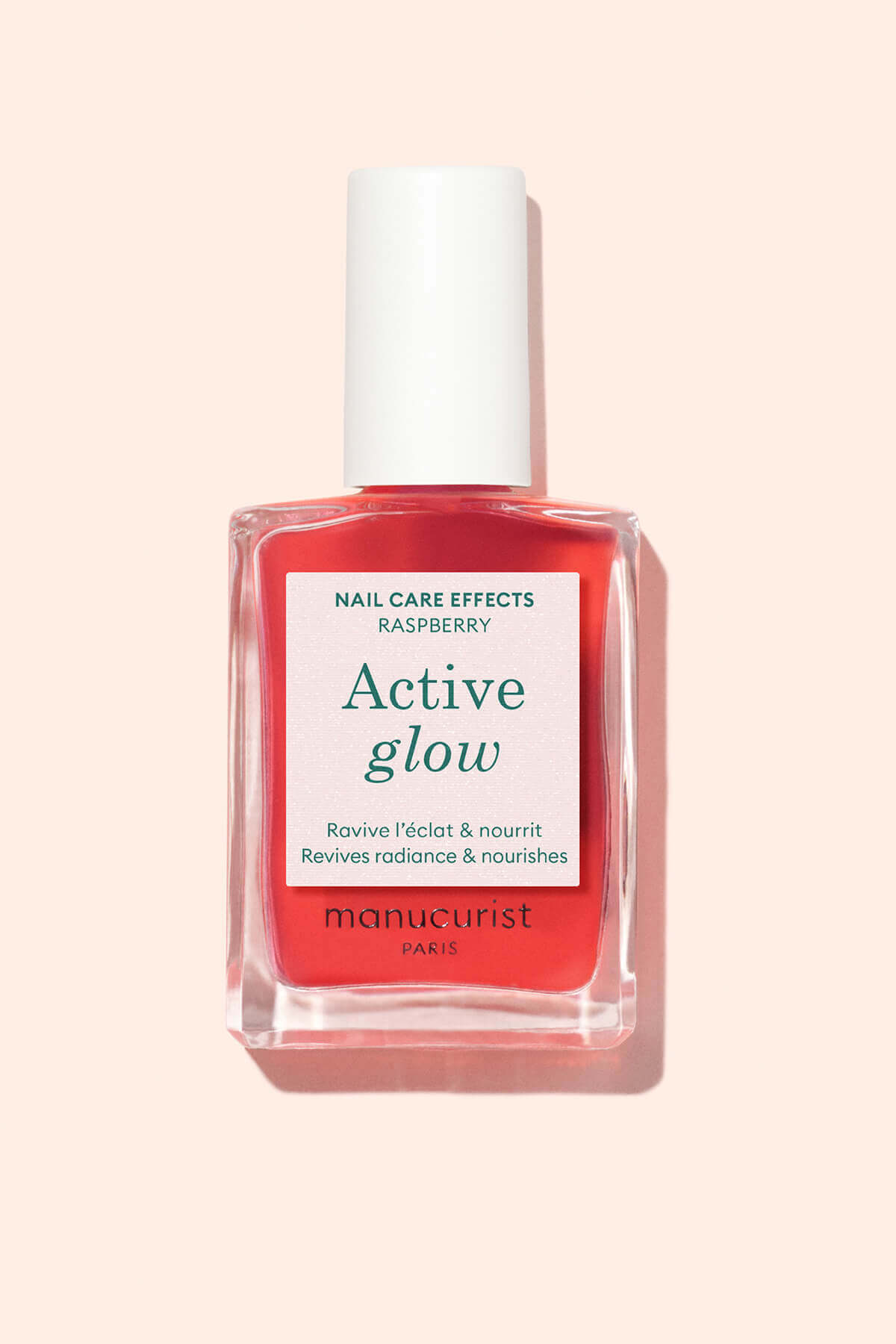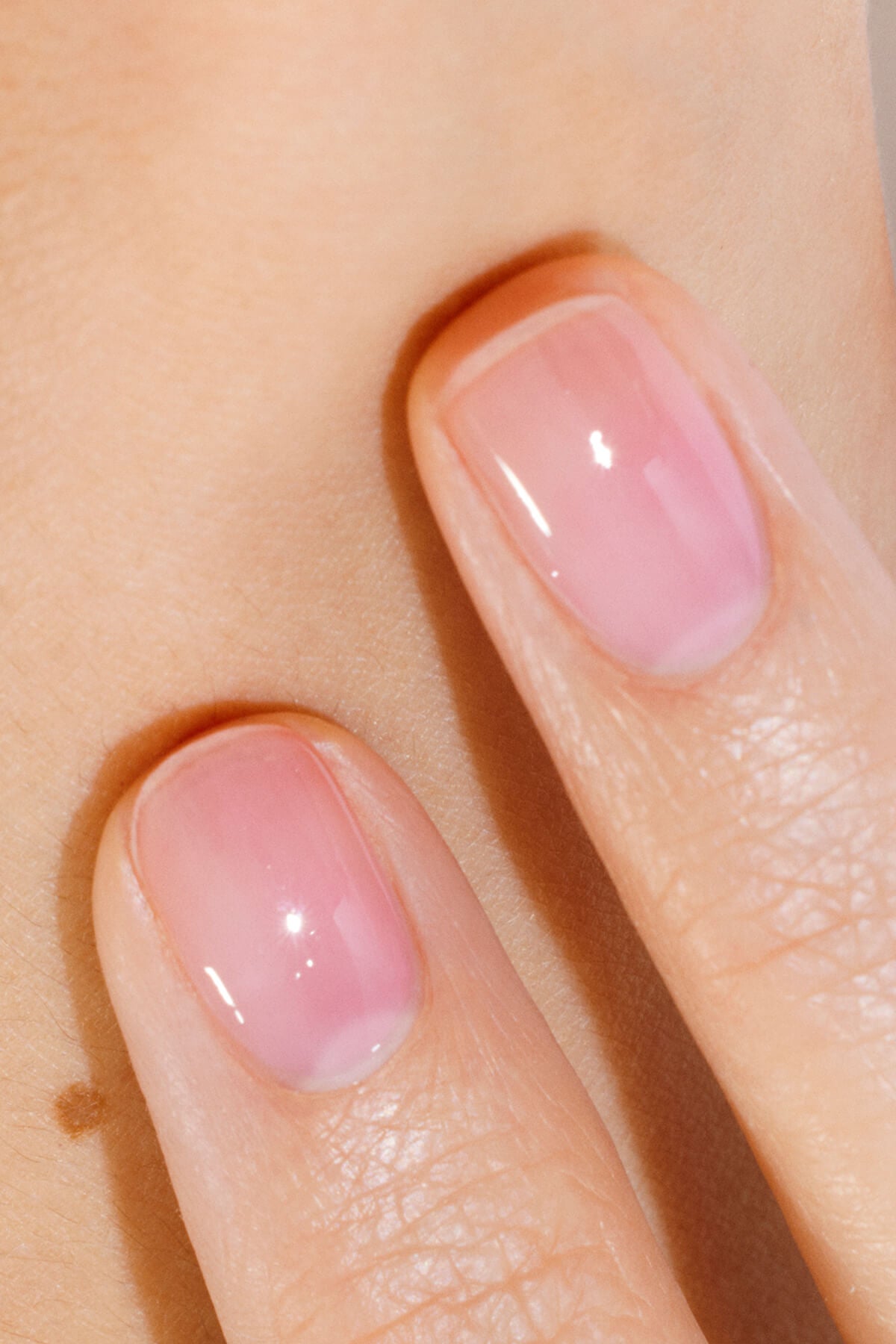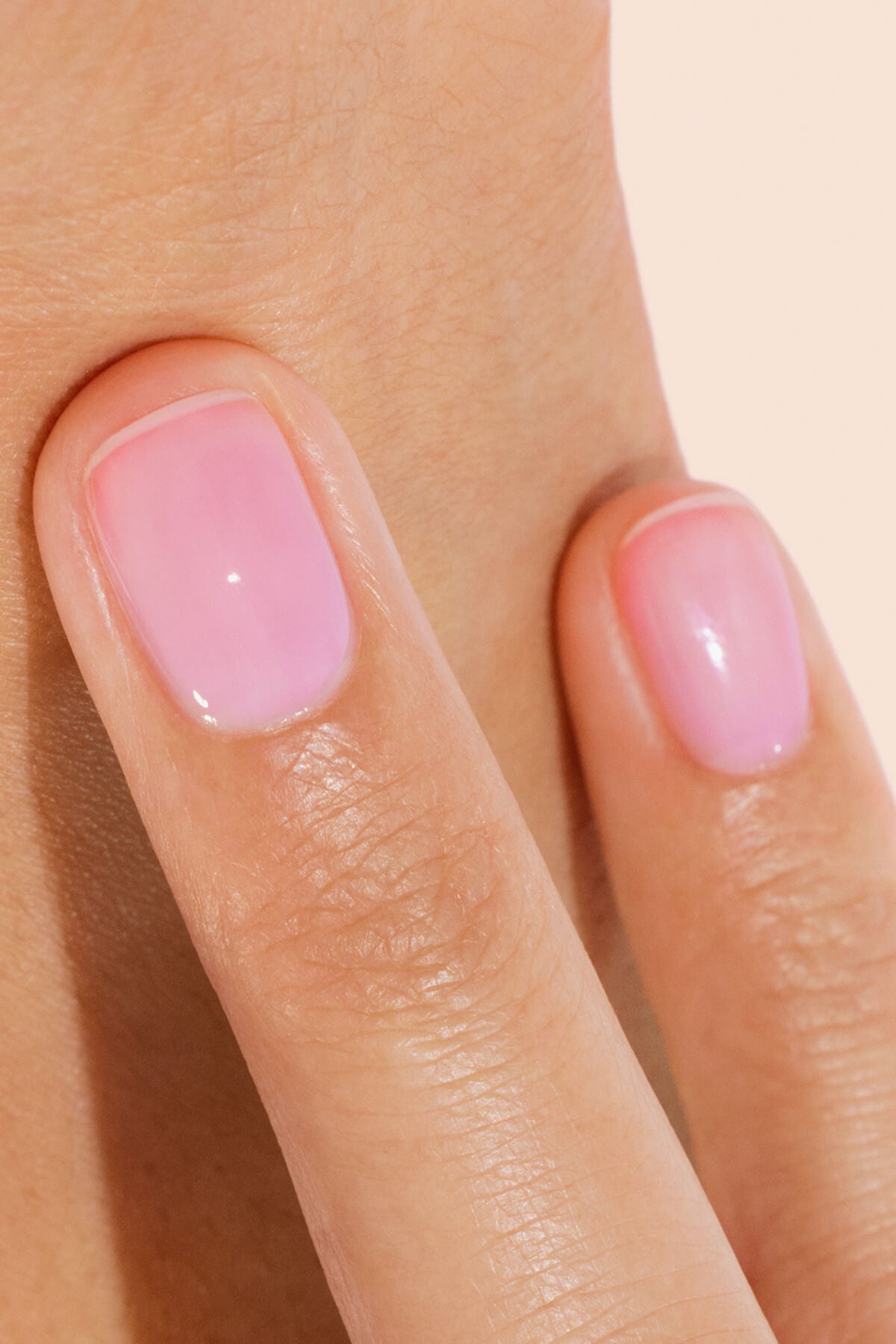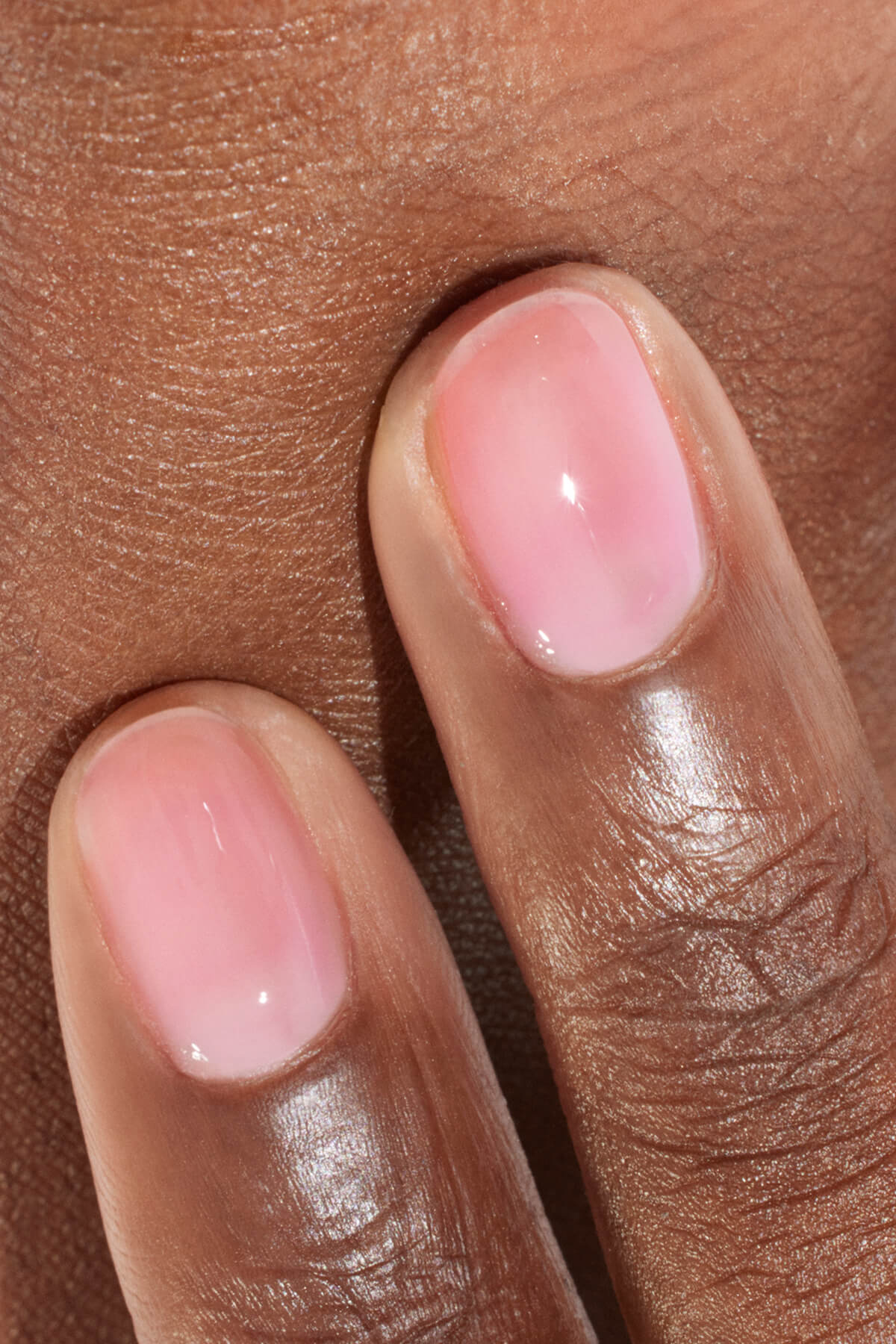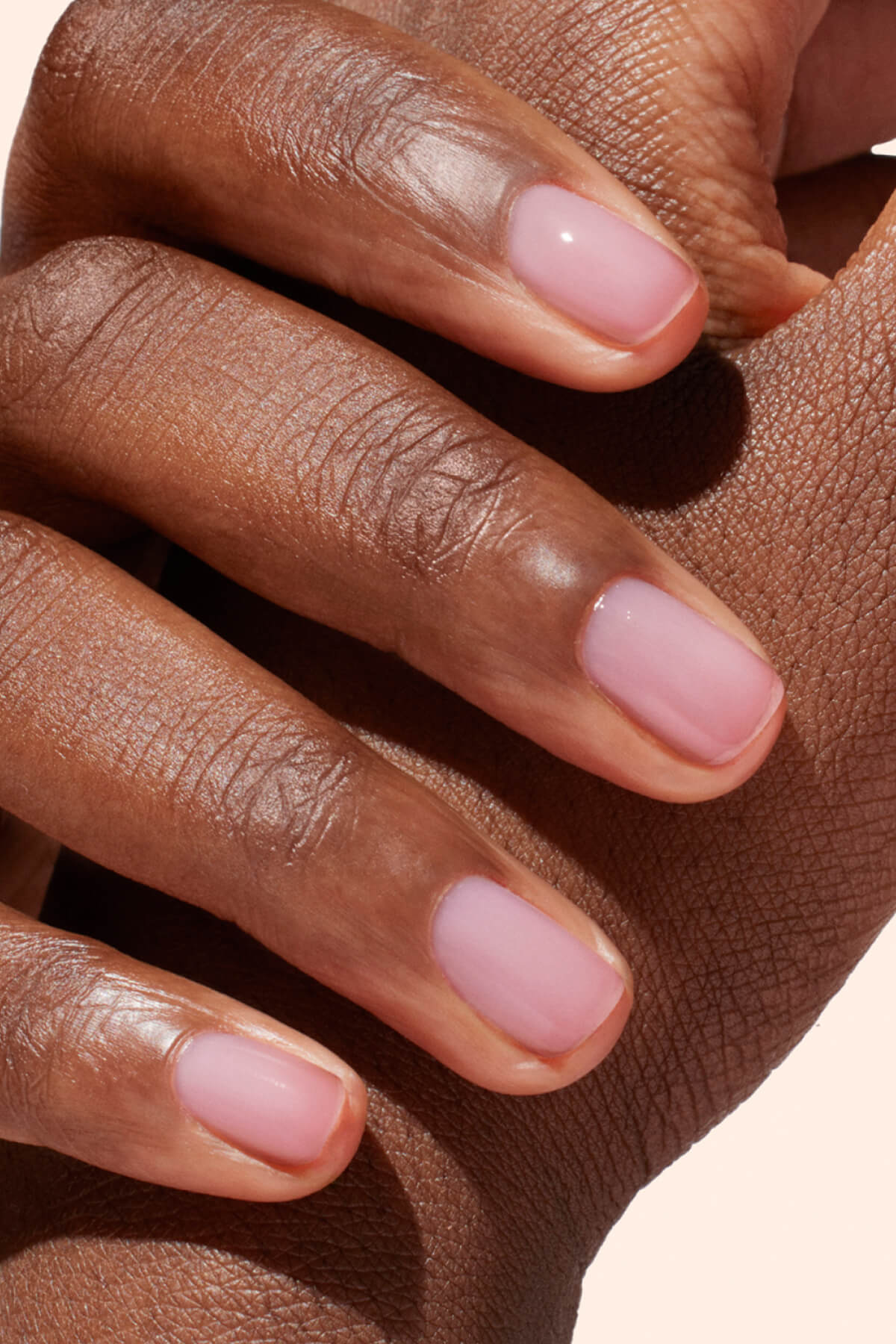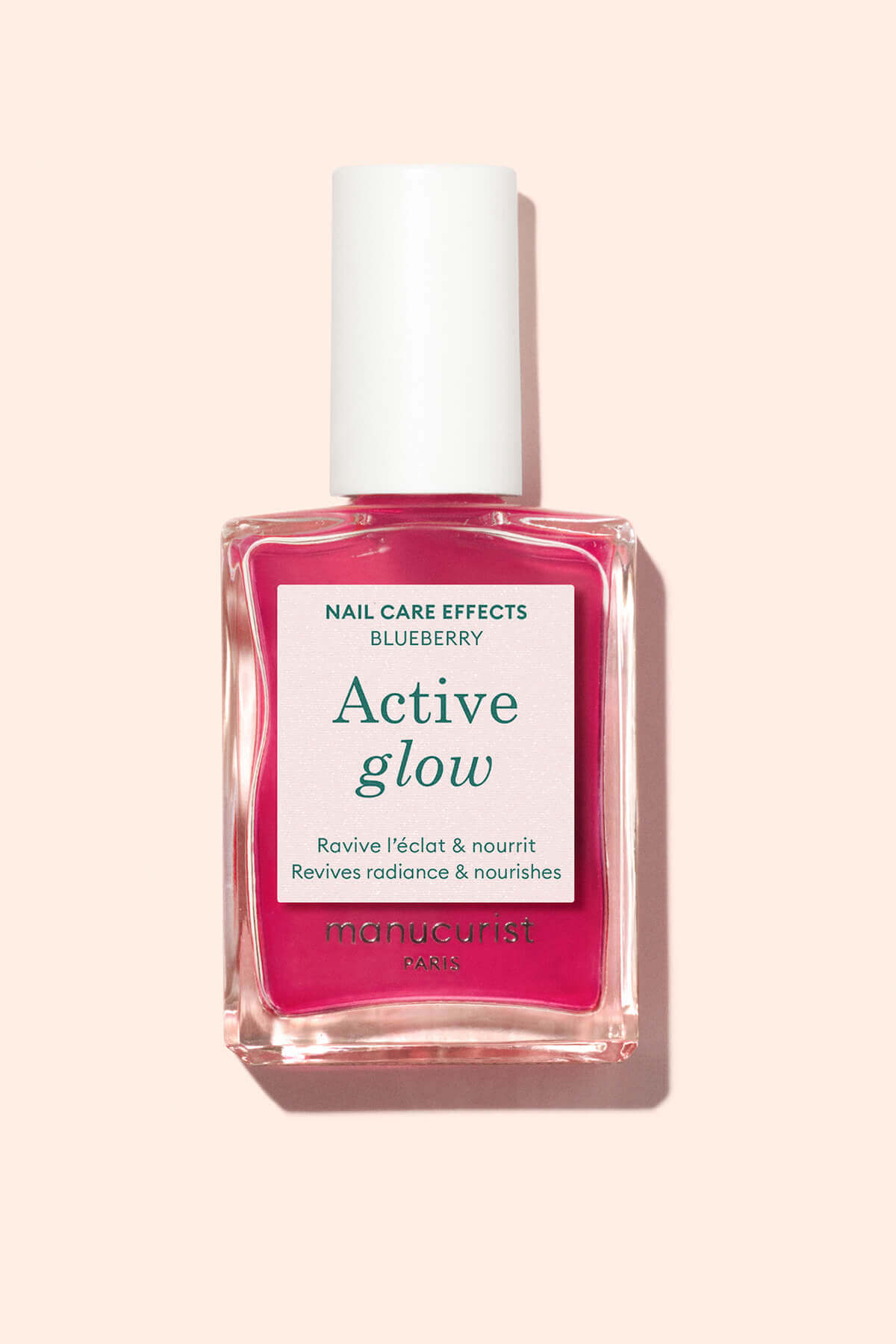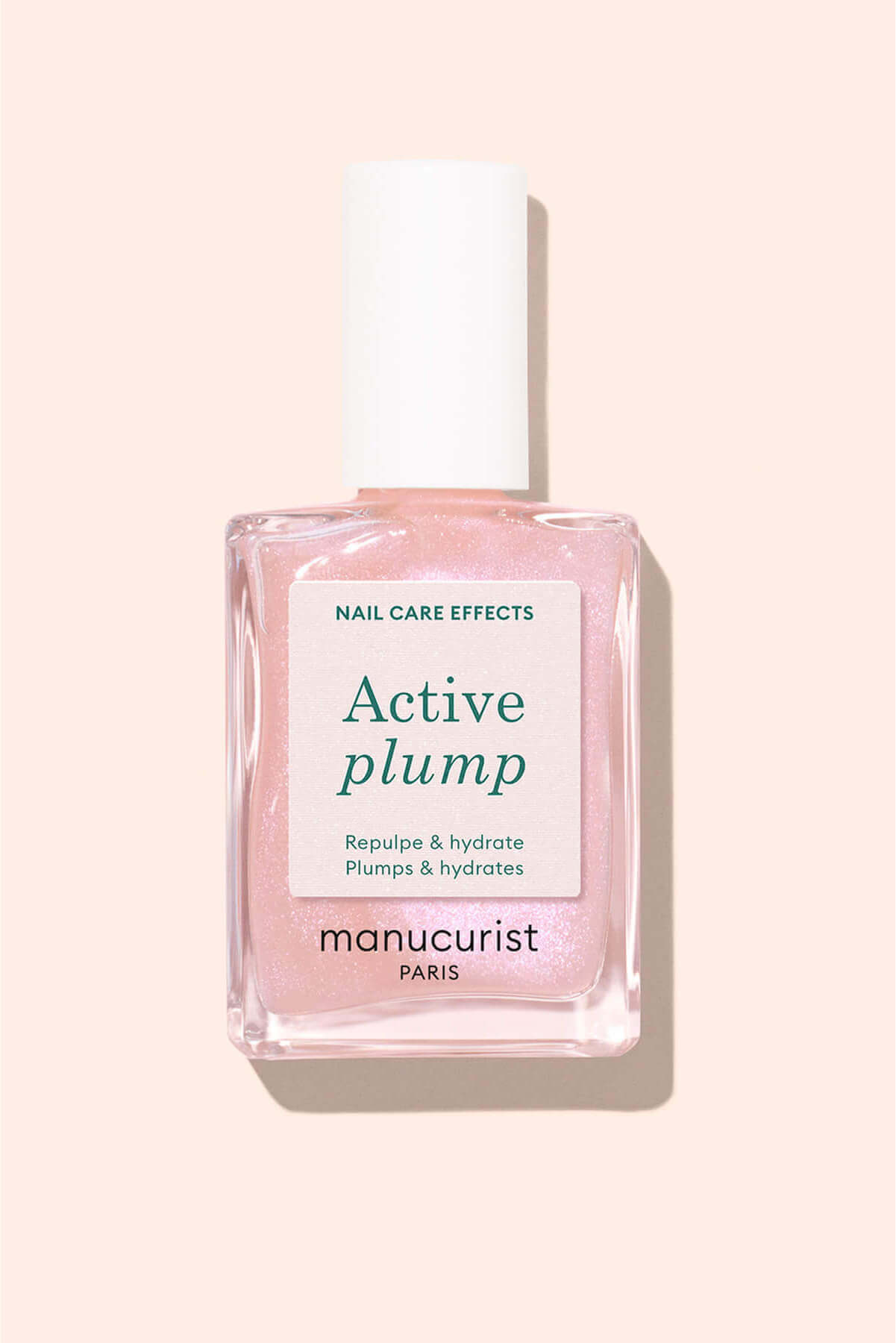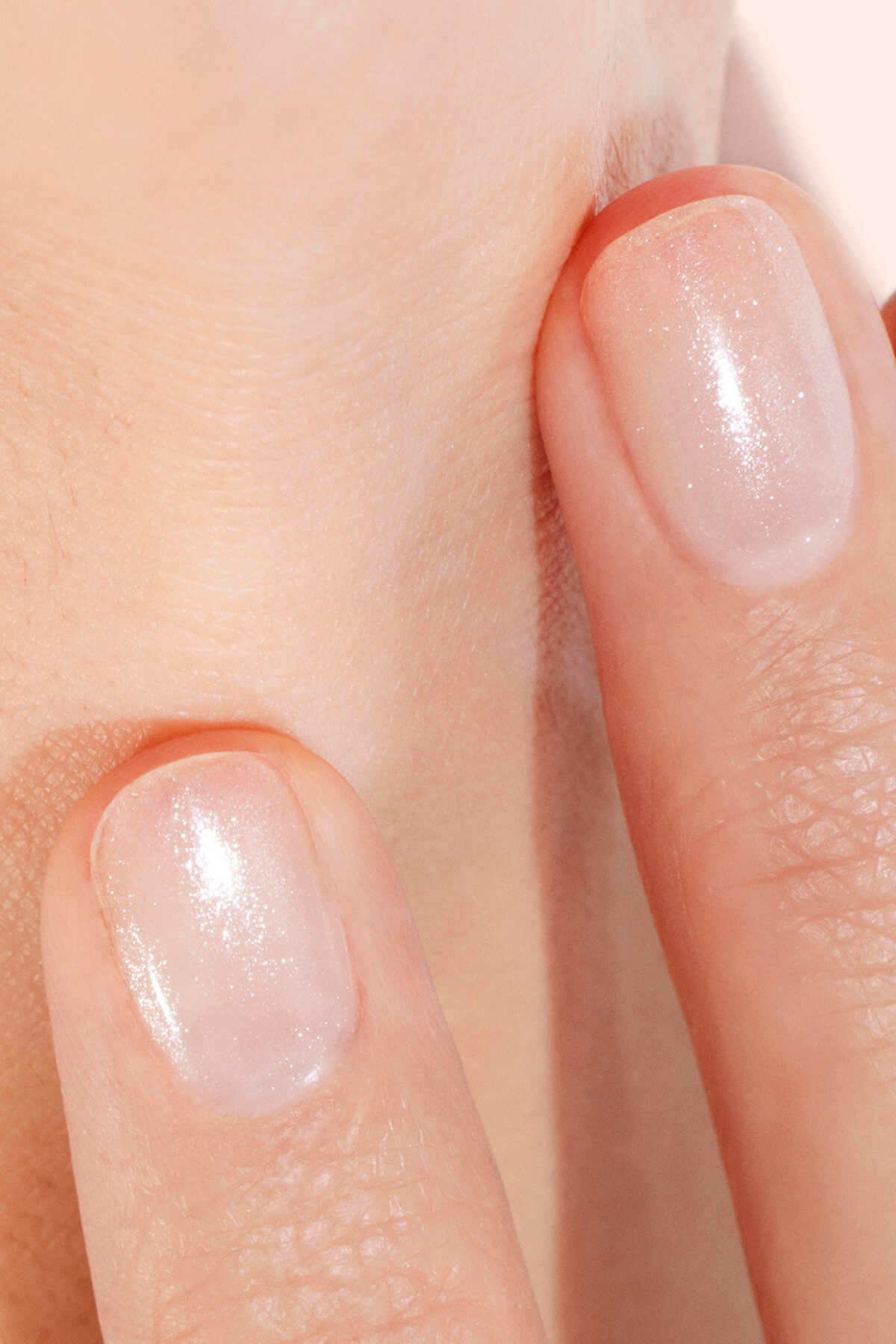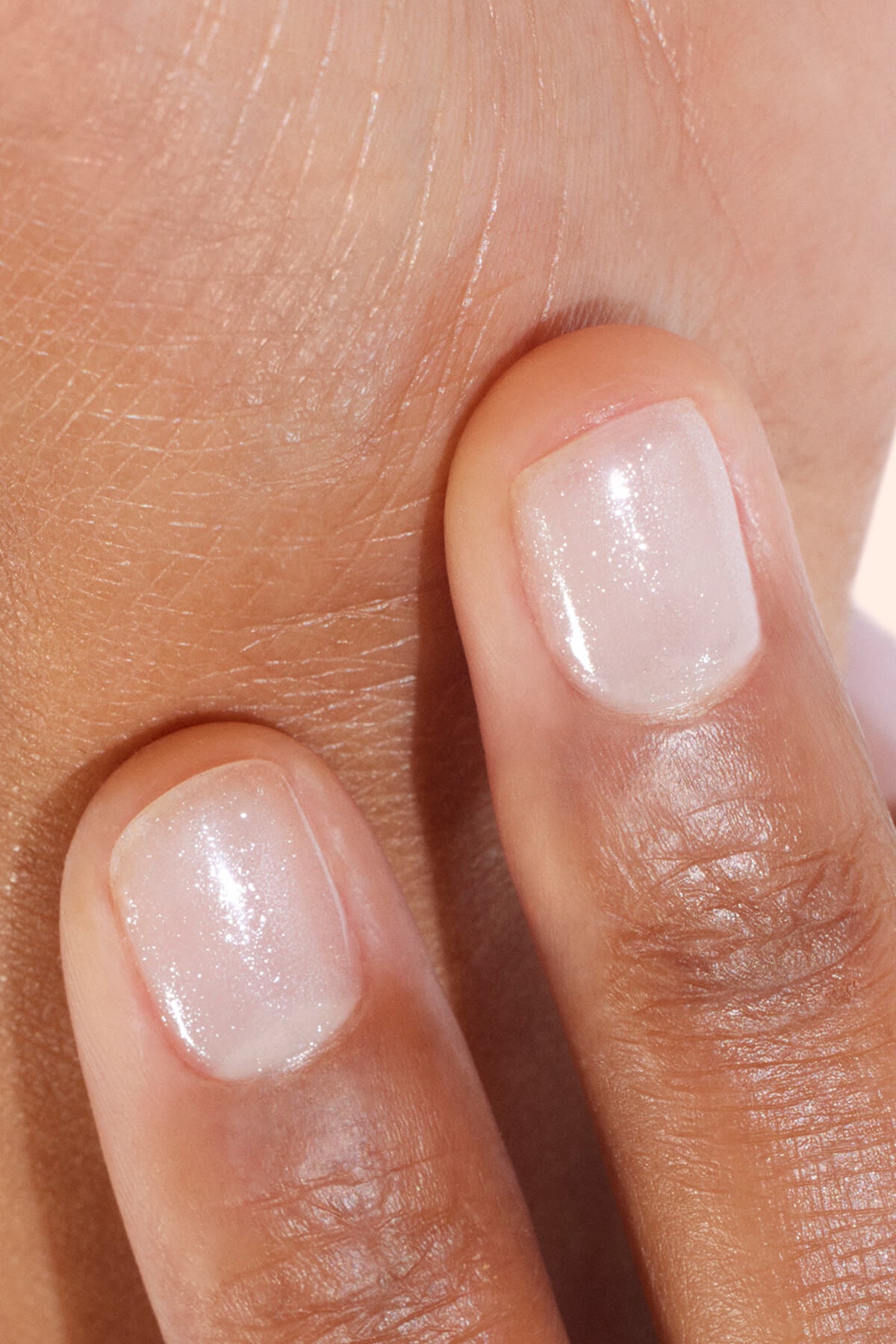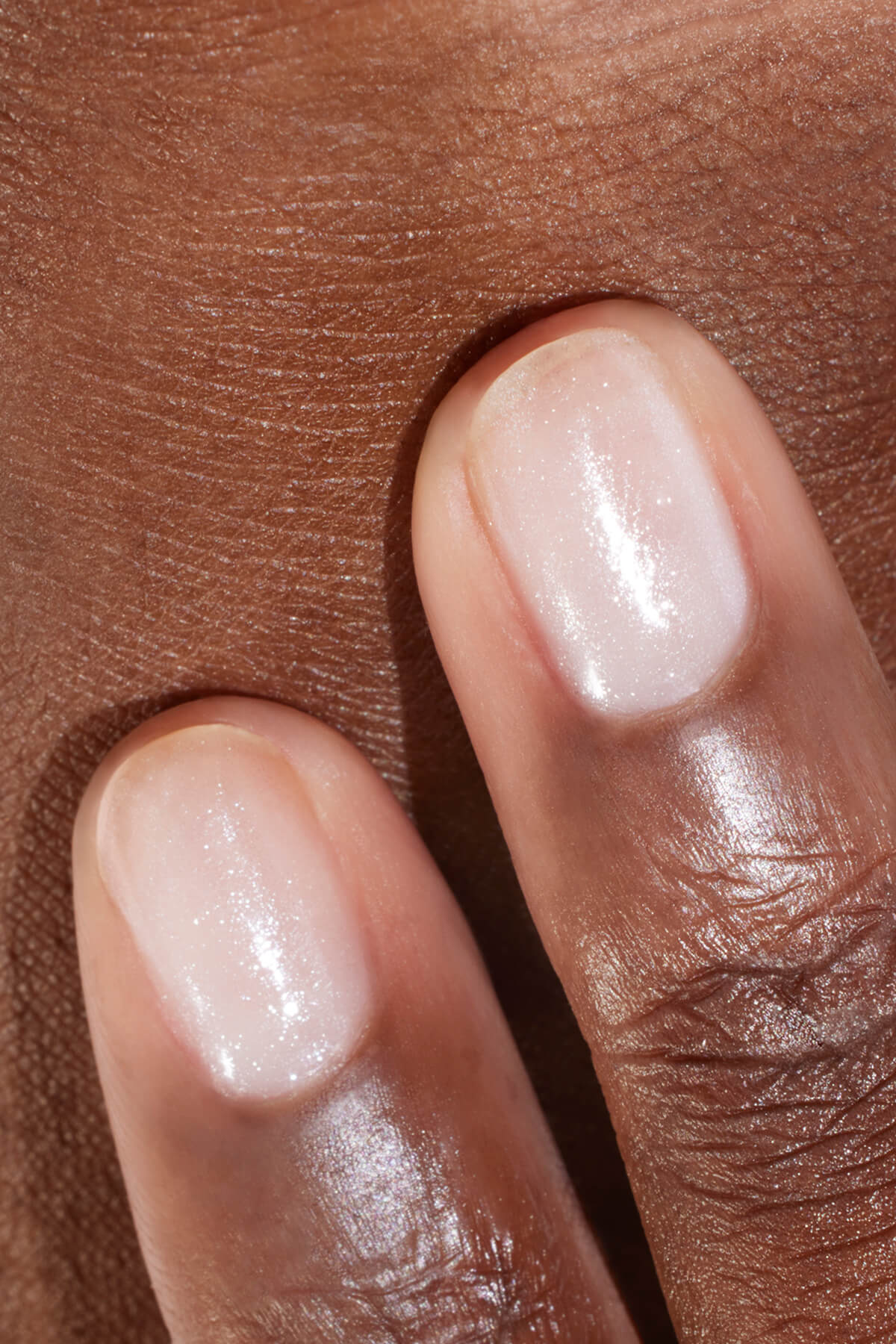

At Manucurist, we believe that an informed consumer is a knowledgeable and safe consumer! You have probably already heard about it, especially if you read the British press: many semi-permanents cause allergies, mainly because they contain HEMA or any other methyl-acrylate monomer of the same type.
Rest assured, this is not the case with the Green Flash™ formula - which is non-sensitizing. We explain in detail why it is the ideal and safe alternative to traditional semi-permanents.
As you know, Manucurist nail polishes and more specifically our Vernis LED Green Flash™ polish has always been formulated without HEMA or any other methacrylate monomer - making it the ideal non-sensitizing alternative to semi-permanents - whether for home use or in nail salons.
Born in an institute and aware of the issues related to multiple exposures of professionals and consumers, Manucurist has always placed health at the heart of its priorities. We challenge ourselves daily to offer you products that respect your health and the environment.
That is why we have banned all controversial molecules from our formulas, especially methacrylate monomers, singled out by a recent BBC article and implicated by many institutions for several years*.
If you read British media, you may have seen the alert issued by the British Association of Dermatologists warning against semi-permanent gels based on acrylate and methacrylate monomers and their allergenic potential. The best-known representative of these molecules is HEMA, already restricted in Europe, but unfortunately it is not the only one involved.
What is a monomer?
and why are they allergenic?
Monomers are very small chemical molecules.
Highly reactive, they can easily combine with other molecules, especially other monomers, to create larger chains of molecules called polymers. The prefix "Mono" indicates one unit and "Poly" means multiple units; a polymer is therefore made up of many monomers grouped together.
The high reactivity of monomers - especially monomers from the acrylate chemical family - is problematic when they come into contact with the skin. Indeed, they are so small that they can pass through the skin barrier and reach the epidermal cells, with which they interact, potentially triggering a more or less severe reaction from our immune system - notably in the form of allergy.
Because they are also very volatile, monomers can penetrate the respiratory mucous membranes and cause asthma in people who are frequently exposed to them.
Monomers of (methyl)acrylates are known to penetrate the epidermis and cause many health problems such as:
- Irritation of the eyes, skin, mucous membranes
- Allergic-type dermatitis
- Asthma
- Generalized inflammatory reactions
What are monomers used for in semi-permanents?
What is commonly called “semi-permanent gel” is actually a polymer film - a type of plastic - that forms on the nails when monomers react with each other under UV light.
Hold on, we’ll explain…
Monomers, already very reactive on their own in the liquid semi formula, become even more so when activated by UV light. Thanks to the photo-initiators also contained in semi-permanent formulas and the light from UV lamps, the monomers can link together to create longer chains called polymers (aka: the plastic film mentioned earlier). This is called a polymerization reaction (or catalysis).
Are you okay? Still following?
The plastic film forms almost instantly and becomes very resistant, which is why semi-permanent gels dry instantly and go from a liquid formula to a gel-polished finish in just a few minutes.

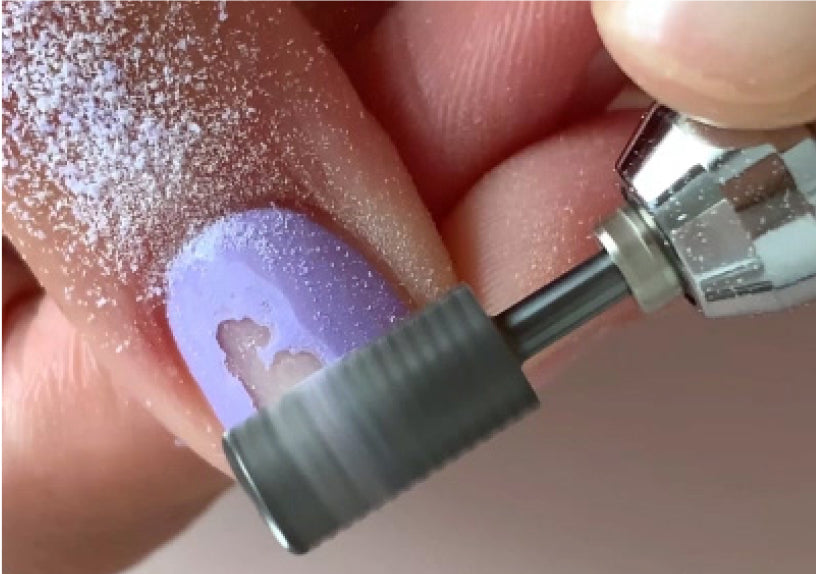
When a gel formula contains monomers, the resulting polymer has what is called an extremely high cross-linking density => This means the film becomes extremely hard and resistant. This is why most traditional semi-permanent polishes are very difficult to remove, require acetone to dissolve them, and often associated filing.
Second problem: small monomers that have not reacted under the UV lamp remain likely to penetrate the skin if exposed and cause skin irritations or allergic reactions.
About HEMA & other Methacrylates?
HEMA (or hydroxyethyl methacrylate) is a monomer commonly used in semi-permanent polishes for its highly reactive properties: it dries quickly and has the ability to create solid and flexible polymer films on nails.
Due to its adhesive properties, it is also found in products used in other sectors beyond nail care: plastics, dentistry, printing… where it has long been known for the allergy risks it causes.
Since 2021, the European regulation prohibits the sale to individuals of nail products containing HEMA or Di-HEMA-TMHDC. Only manicure professionals are authorized to use them in salons while taking protective measures (nitrile gloves, suction tables, masks…). Indeed, legislators have considered that semi-permanent polishes applied by professionals have less risk of skin contact if applied with precise technical gestures.
The problem is that the risk remains and professionals continue to be exposed to these types of molecules.
Especially since HEMA and DI-HEMA-TMHDC are not the only methacrylate monomers found in semi-permanent polishes: isobornyl acrylate (IBOA), Benzyl Methacrylate, and Bis(methacryloyloxyethyl) phosphate are also substances from the same family that can now be found in the composition of new semi-permanent gels sometimes even labeled “HEMA Free.”
Moreover, it is still very easy for individuals to obtain potentially sensitizing semi gels through the internet.

The Green Flash™ alternative - WITHOUT METHACRYLATE MONOMER
Ahead of European regulations by two years, Green Flash™ has featured since its launch in 2019 a formulation free of (methyl)acrylate monomers with sensitizing potential.
This commitment to developing a Clean, Green, and biosourced formulation has always been essential at Manucurist to stop exposing consumers and professionals to products and environments toxic to health.
Even back then, the problem posed by (methyl)acrylate monomers was not new, since as early as 2017 a recommendation from the Anses (French Agency for Food, Environmental and Occupational Health & Safety) advised manufacturers to substitute these molecules in nail products.
After many months of research & development, we created Green Flash™: the first LED Polish & first clean, biosourced, and monomer-free alternative. That means: no HEMA, no di-HEMA-TMDHC, and no other methyl-acrylate monomers 🎉
Instead, our formulas contain copolymers, which are larger chains of molecules retaining the same polymerization capabilities under UV lamp and the same benefits (fast drying, resistance, durability, flexibility), but without unwanted effects.
Less reactive, non-volatile, and non-sensitizing, our copolymers are also far too large to pass through the skin barrier! Moreover, the type of polymer (aka: the gel-effect film) formed after LED lamp exposure has a lower crosslink density than a polymer formed from monomers; that’s why Green Flash™ removes much more easily than a gel polish, with a gentle remover WITHOUT ACETONE and without damaging the nails!

If you look more closely at our formulation and ingredient list, you may see molecule names that can be confusing. No panic, and no risk. Here’s why:
-
hydroxyethyl acrylate/IPDI/PPG-15 glyceryl ether copolymer
This ingredient is a synthetic polymer made up of three different molecules that react together. It acts as a film-forming agent in our formula, which is very important to provide features such as flexibility, tenue, and fast drying. Although it contains the word "acrylate," it is a completely different molecule from methacrylate and there is no need to worry. From a chemical standpoint, the molecule is non-sensitizing, less reactive, non-volatile, and cannot penetrate the skin or trigger an allergic reaction. -
bis-HEMA poly(1.4-butanediol)-9/IPDI copolymer
This molecule is also a synthetic polymer resulting from the chemical combination of three different molecules. It acts as a film-former offering flexibility, durability, and fast drying. Although it contains the word "HEMA," it is a different molecule with different properties, notably because it is non-sensitizing, less reactive, non-volatile, and cannot penetrate the skin.
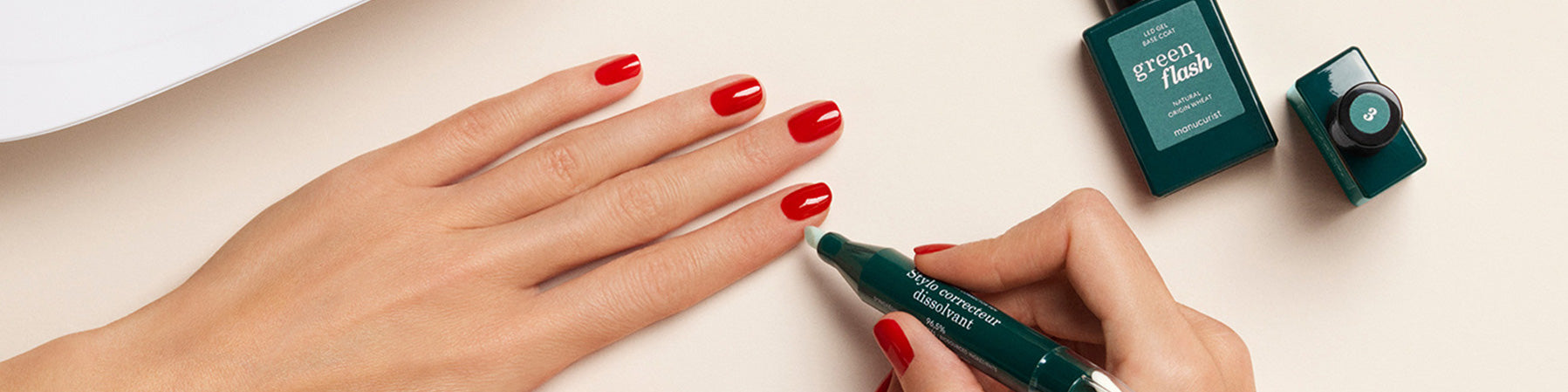
Each of these two molecules is necessary for our formula, as they replace harmful monomers as building blocks to form a polymer film. These ingredients are therefore responsible for the “gel” look of your Green Flash™ manicures, their resistance, shine, and long tenue up to 10 days. To test this alternative at home, the Green Flash™ starter kit brings together the essentials of the semi-permanent routine.
To answer the questions raised by the many recent publications on the potential dangers related to semi-permanents, it seemed important to us to explain all this in detail and to remind you of our daily commitments to develop quality products without compromise for your health!
Our consumers speak better about it than we do!!
Finally, if there was one more thing to share with you on this subject, it would of course be the trust that many consumers and professionals in France and around the world place in us, especially those who have already developed allergies to certain semis… and they are still the best to tell you about our products.
- Laurie E.
- Elise B.
- Marine F.
Learn more about the risks related to methyl-acrylates:
Read the Anses opinion
Read the INRS article
Read the BBC article
Consult European regulations