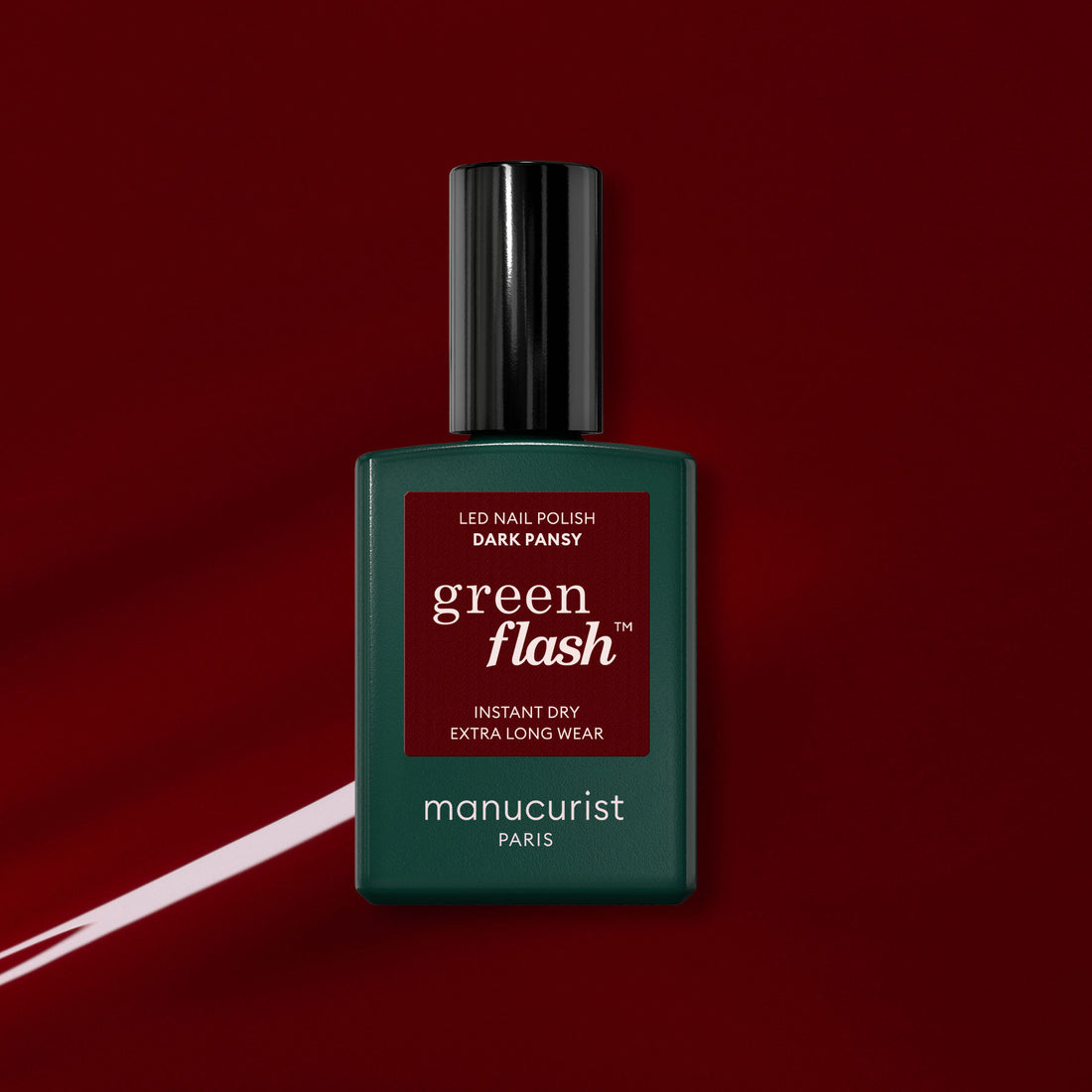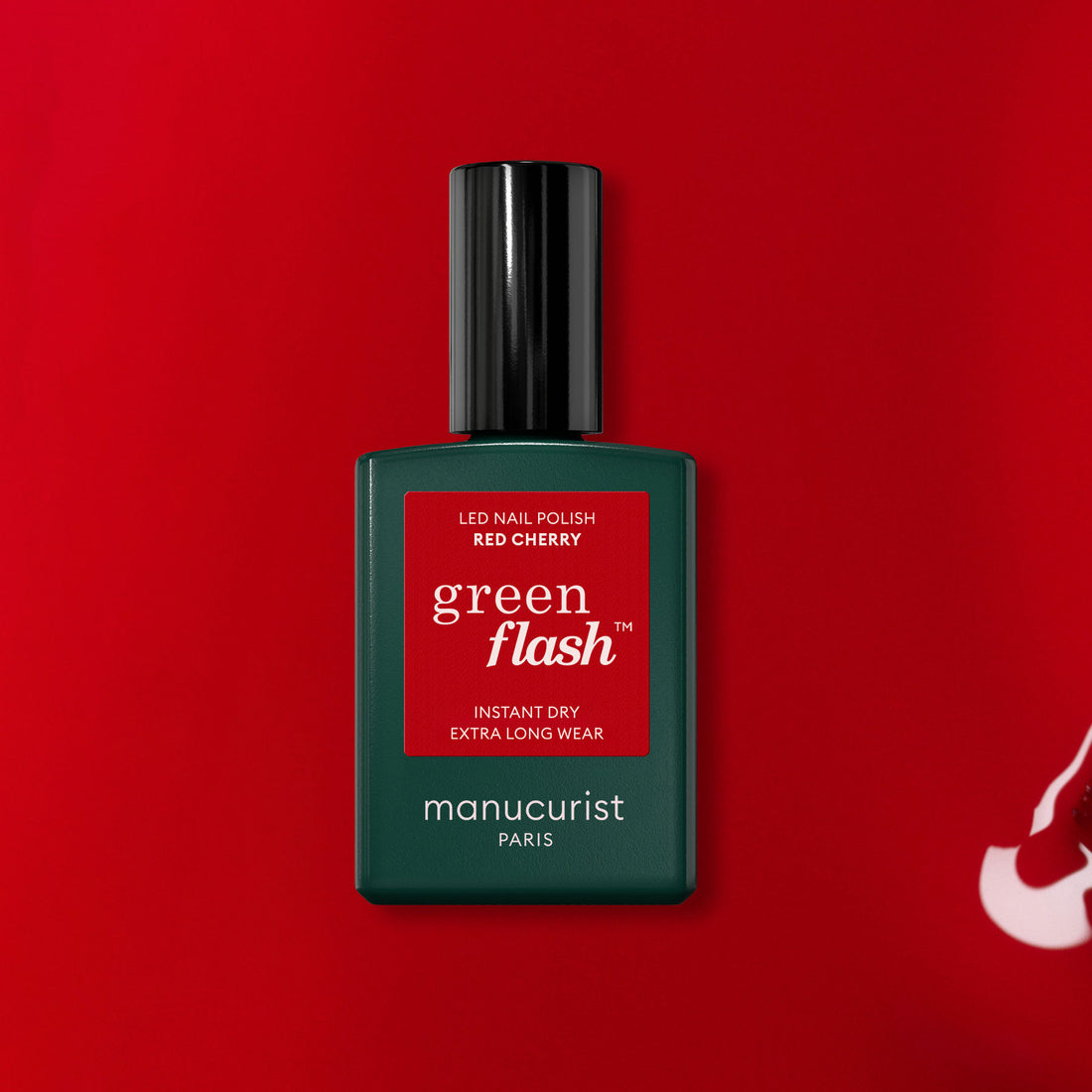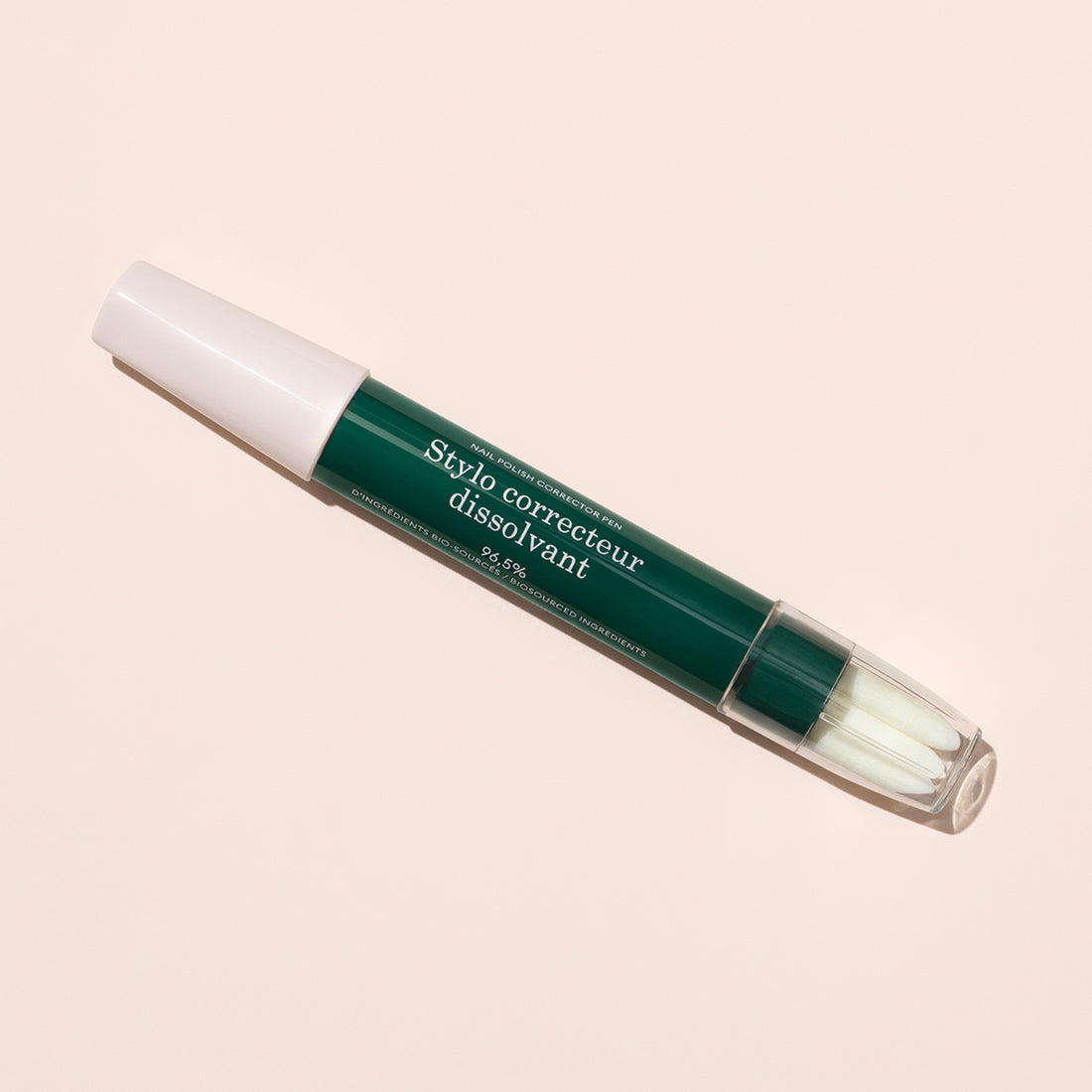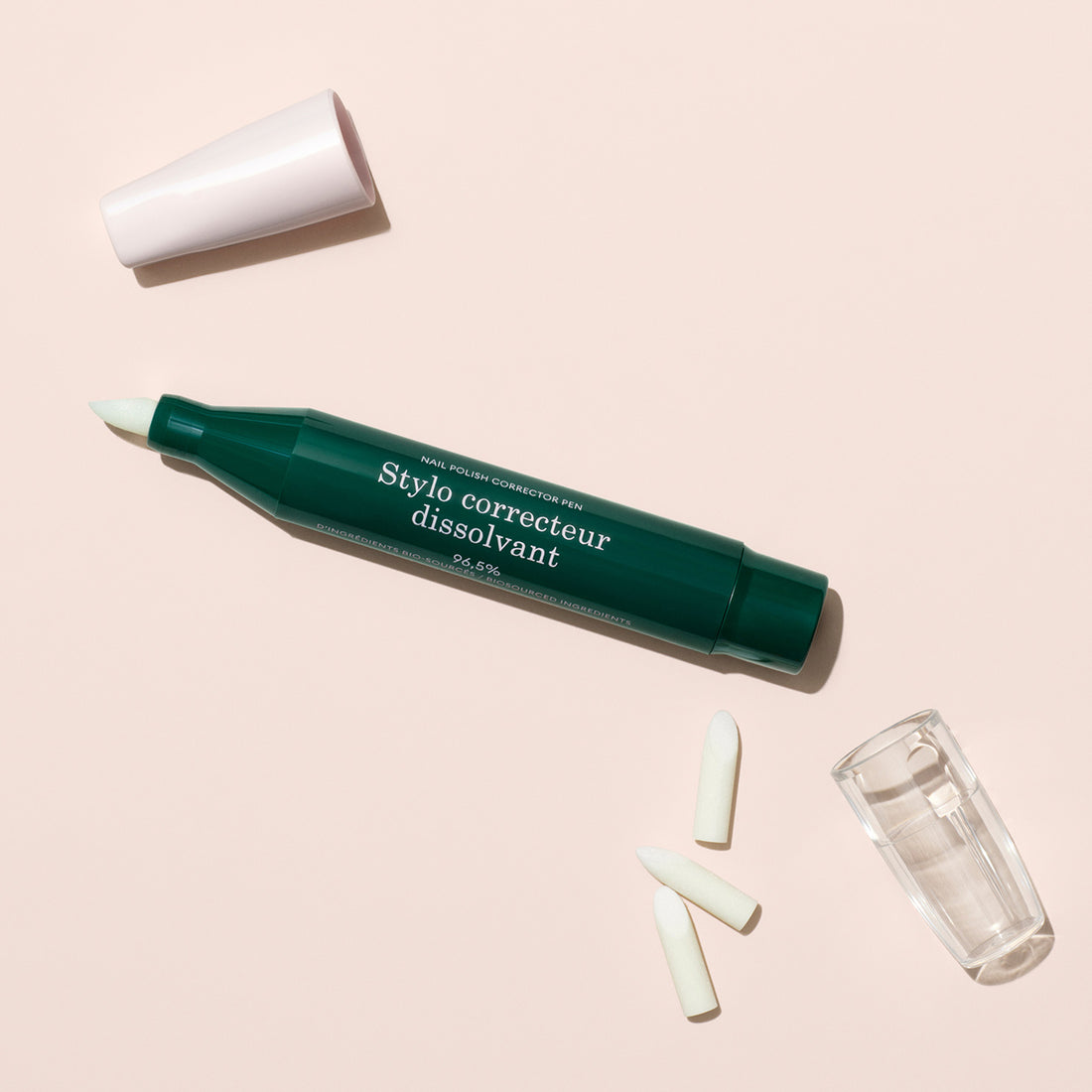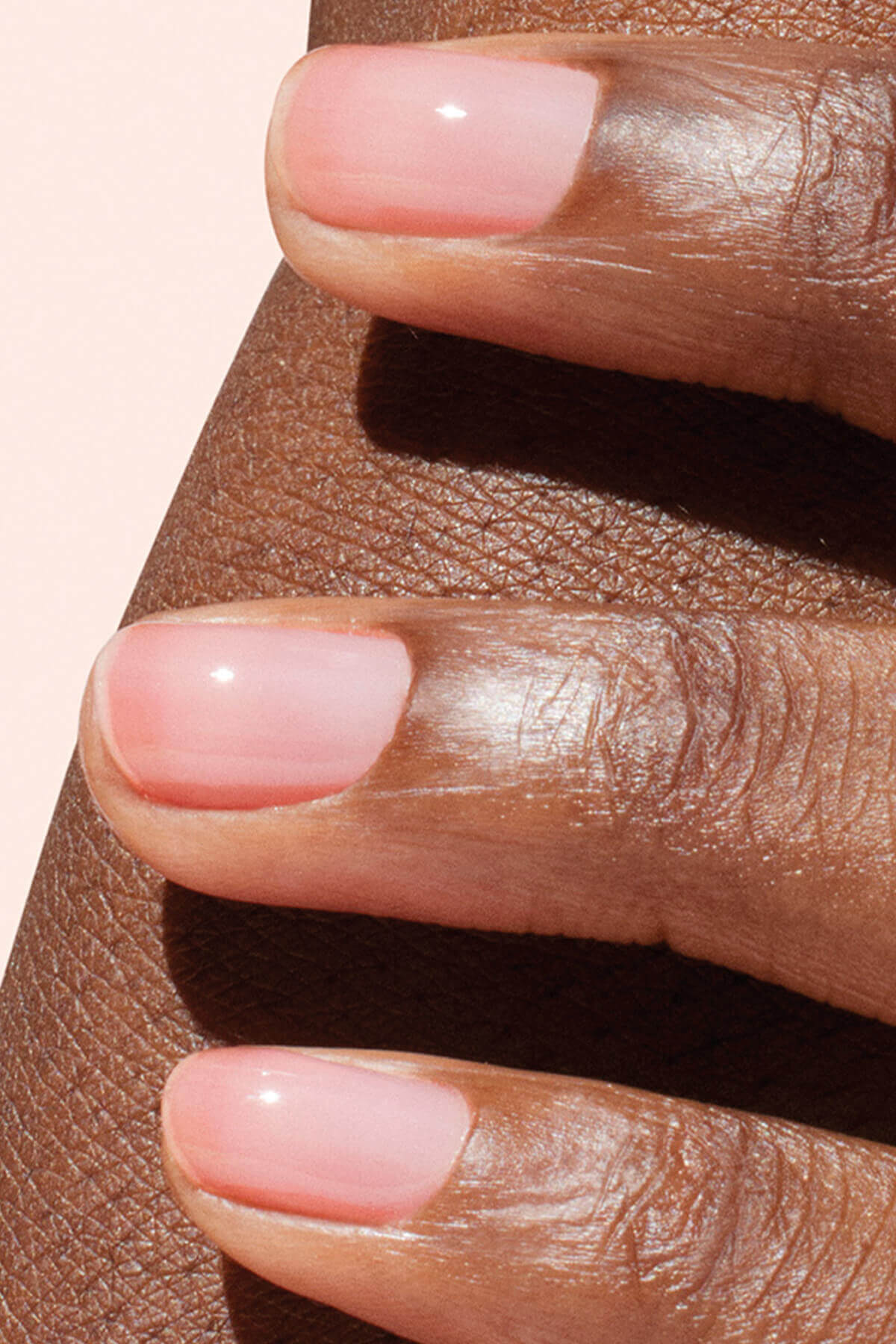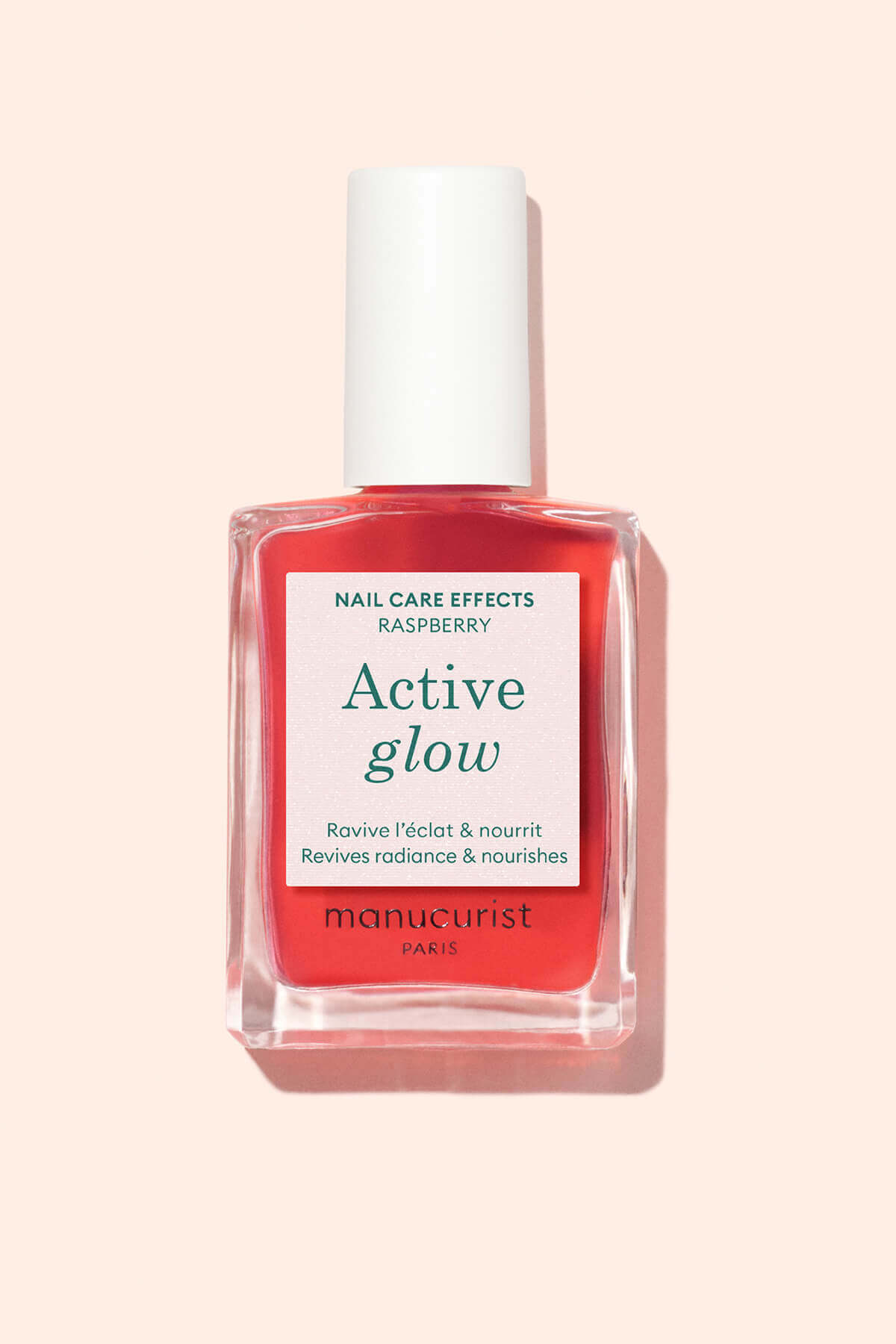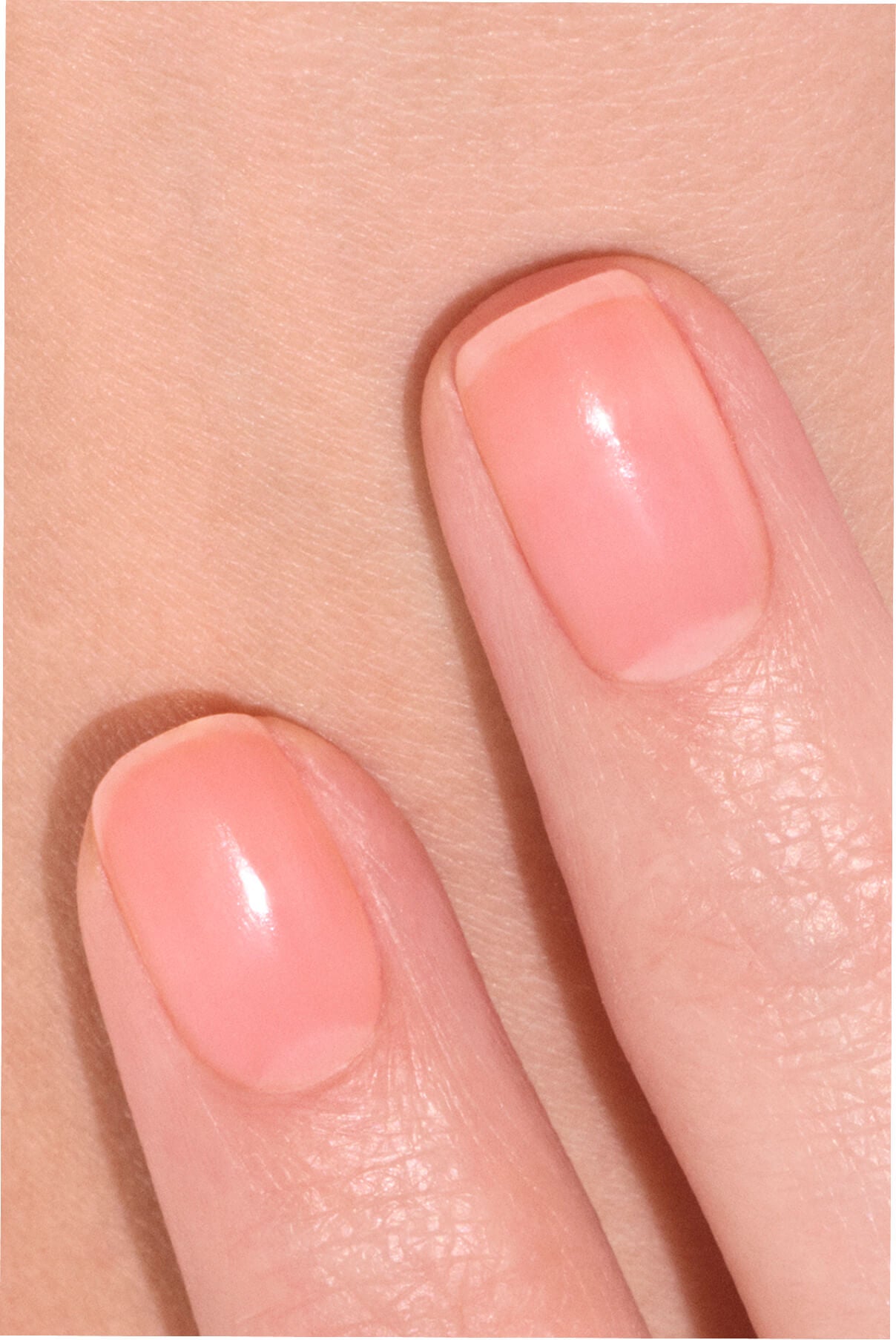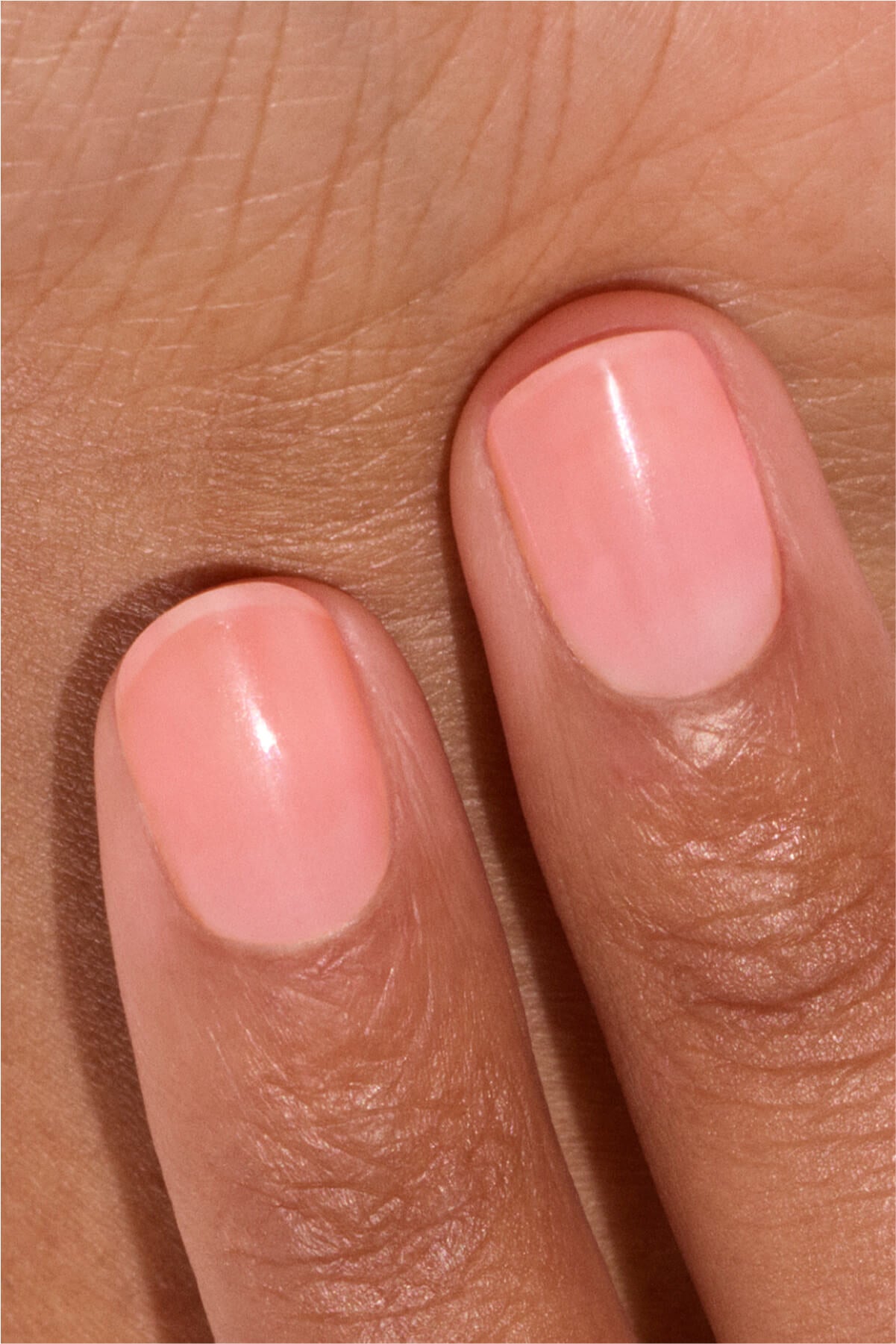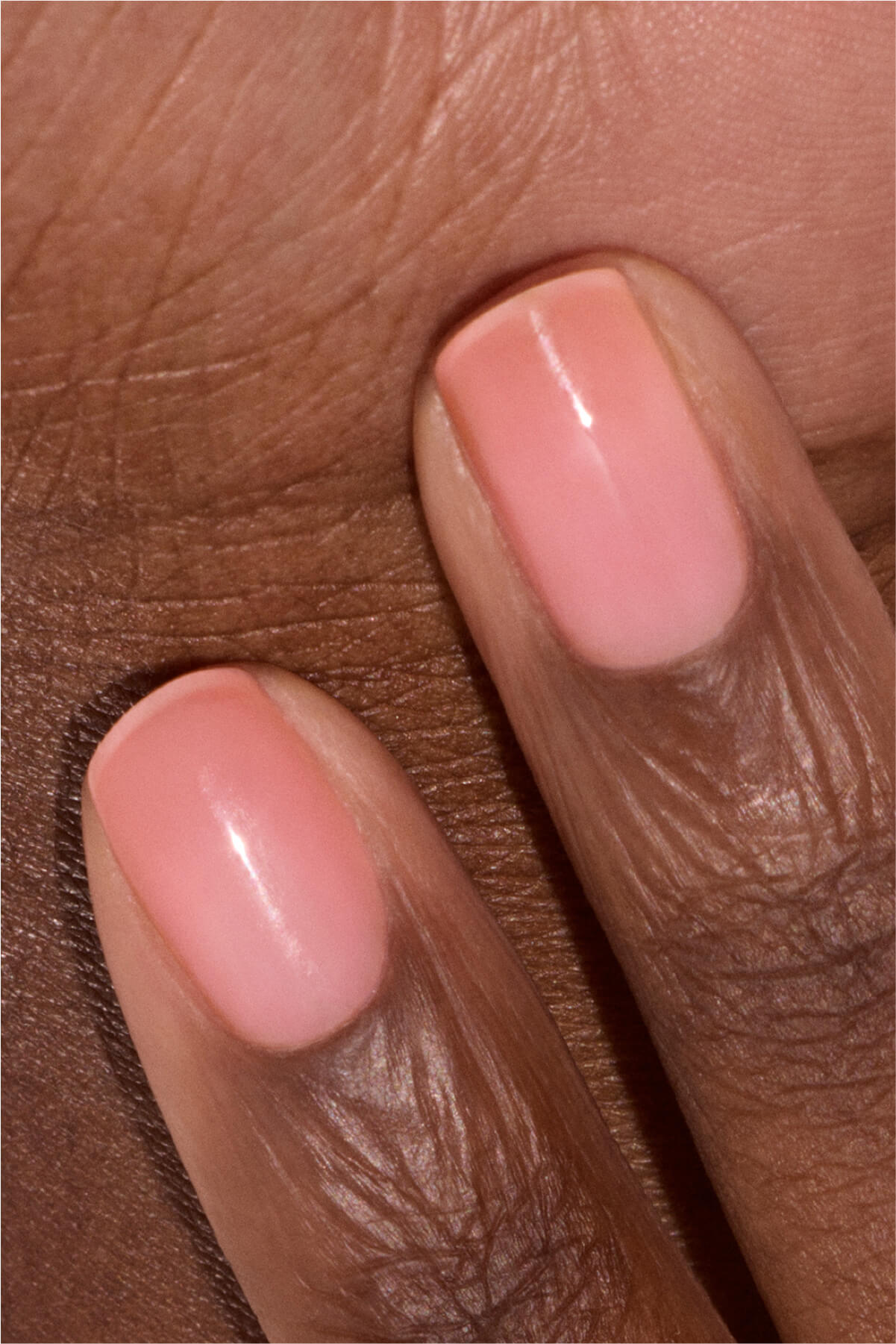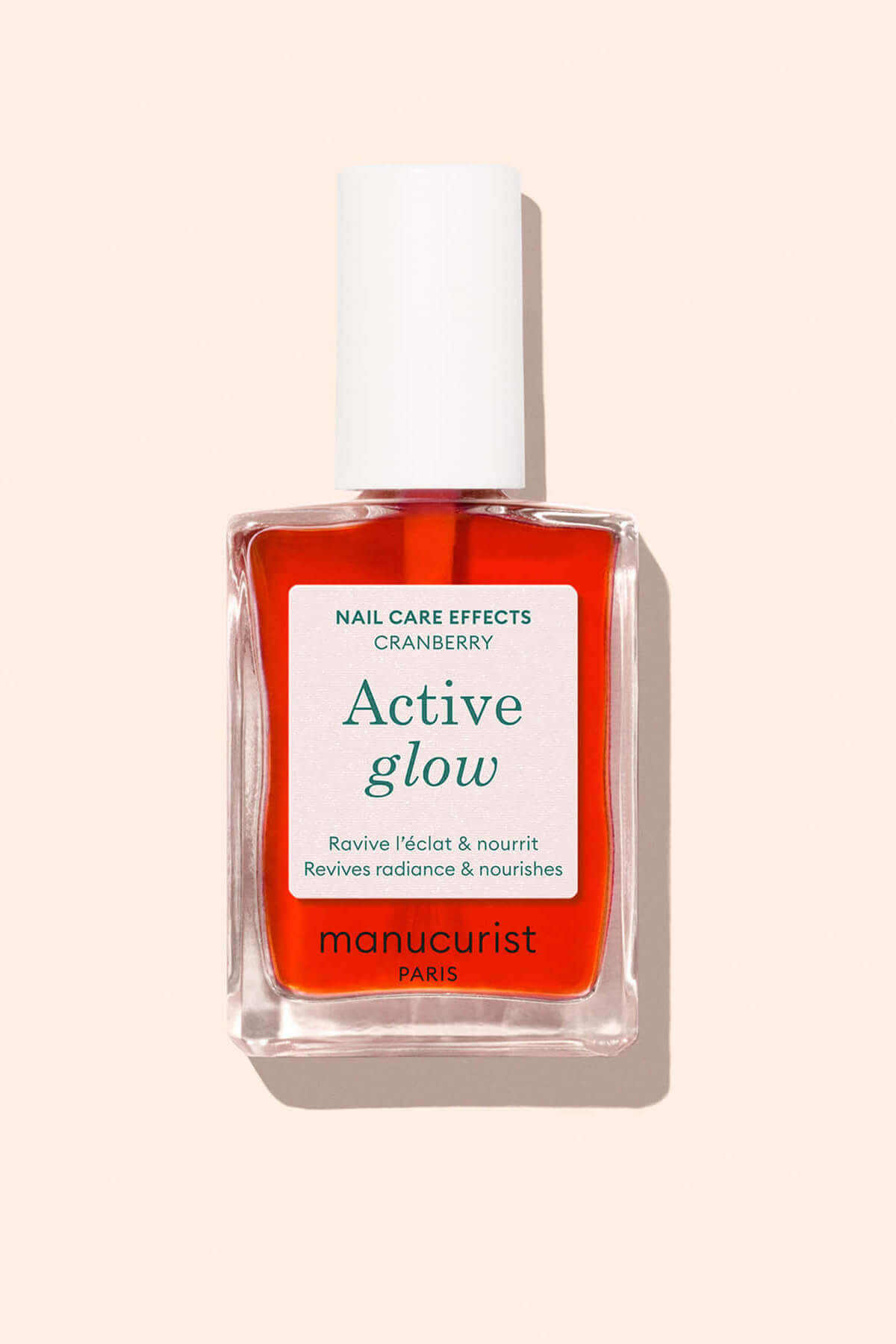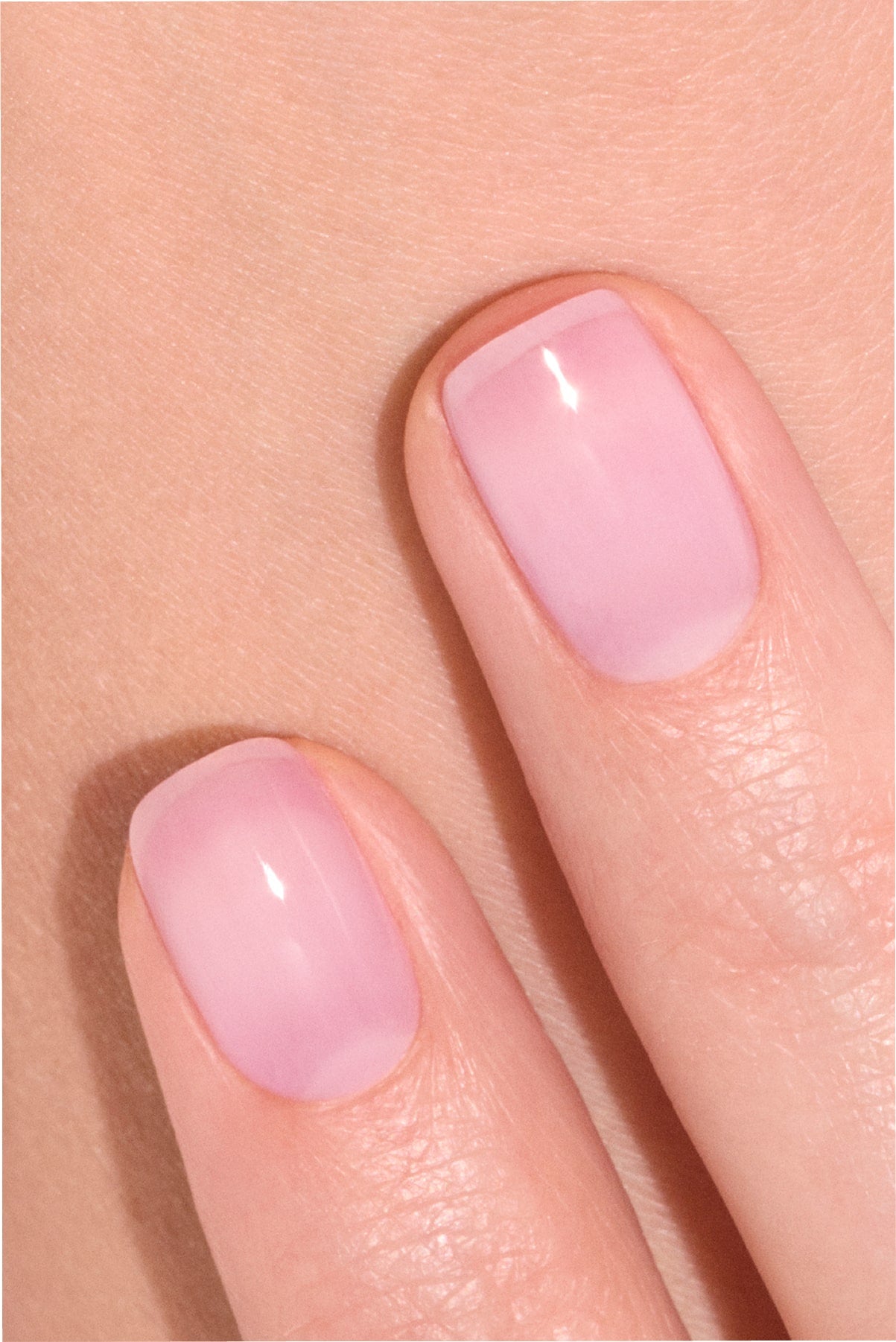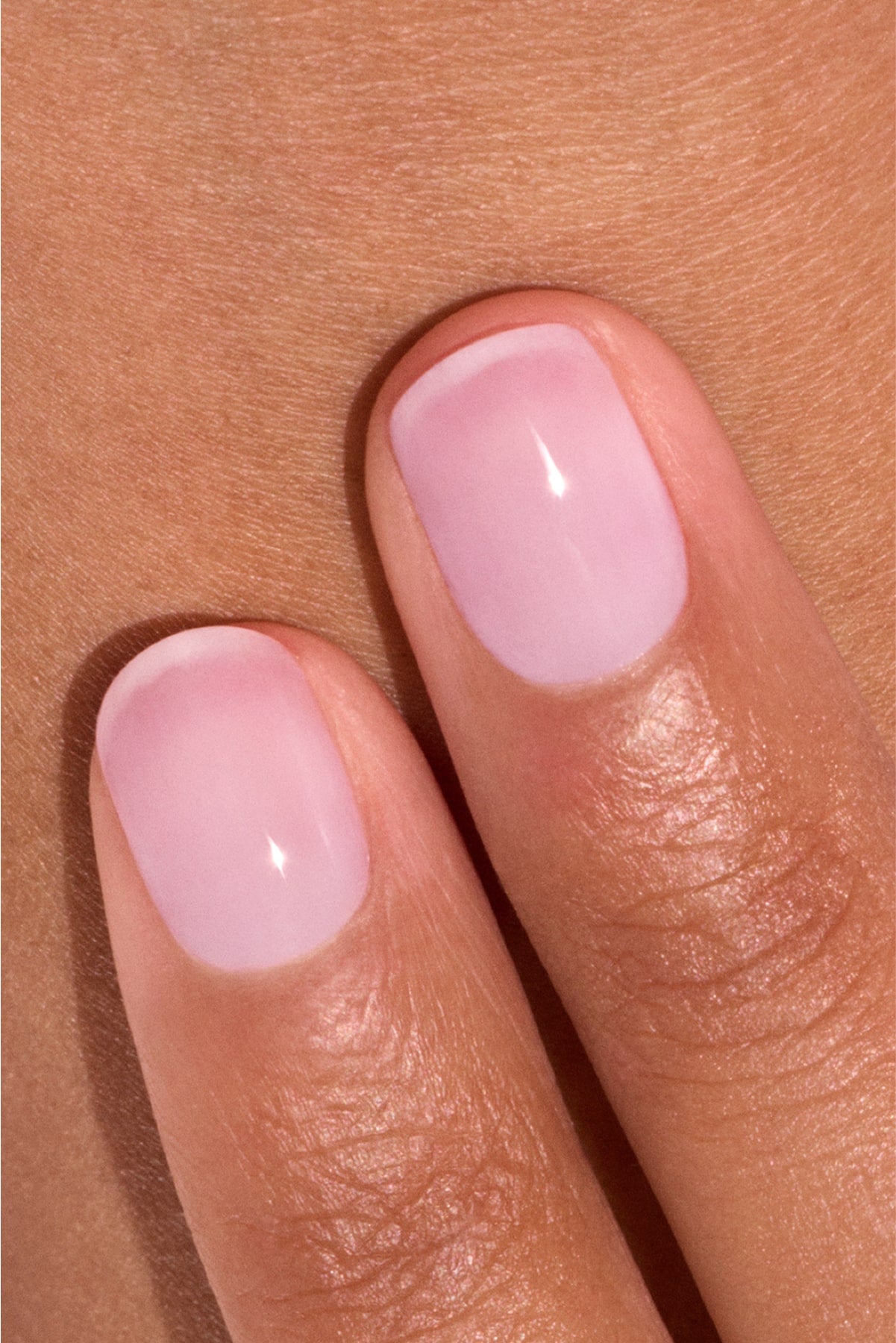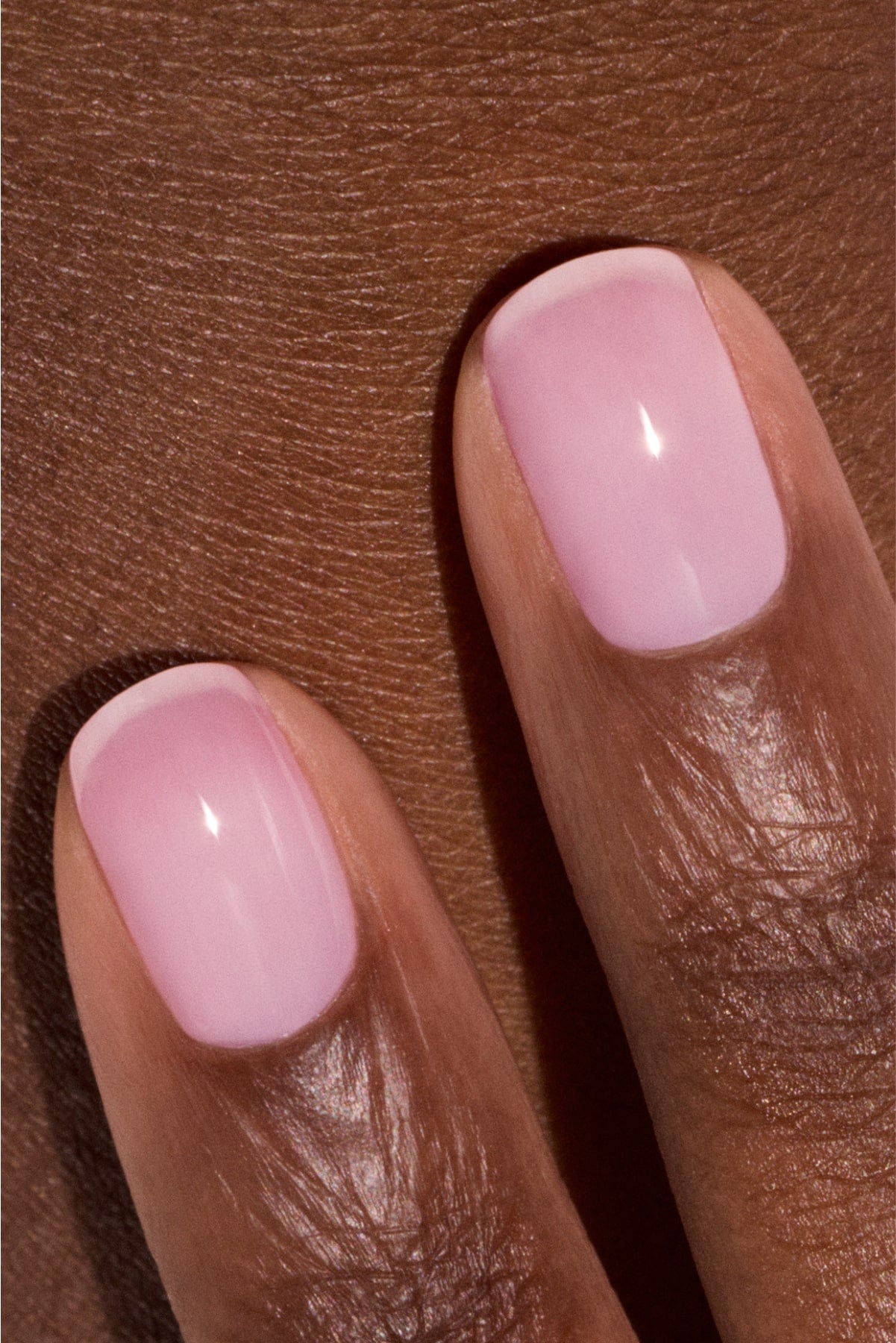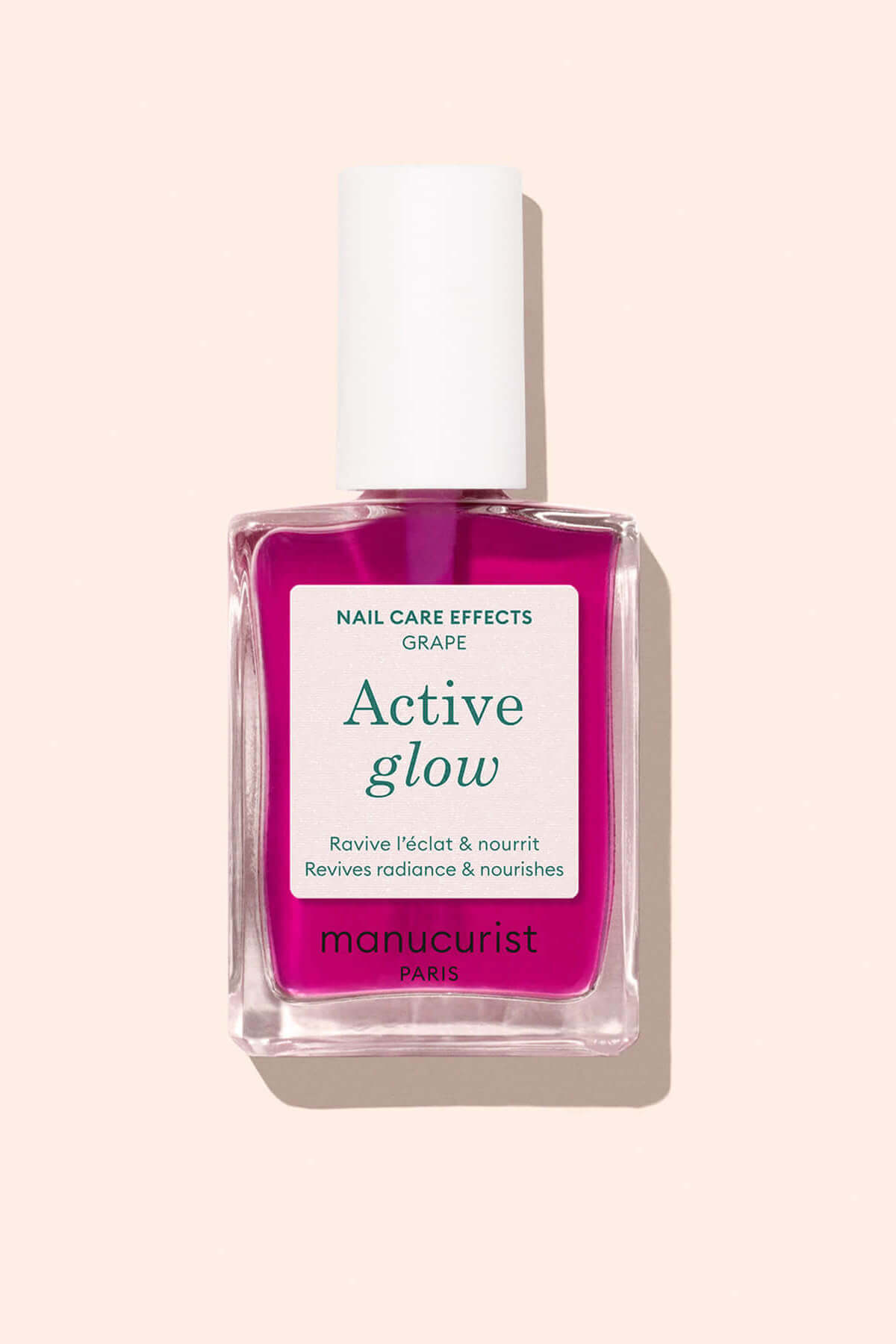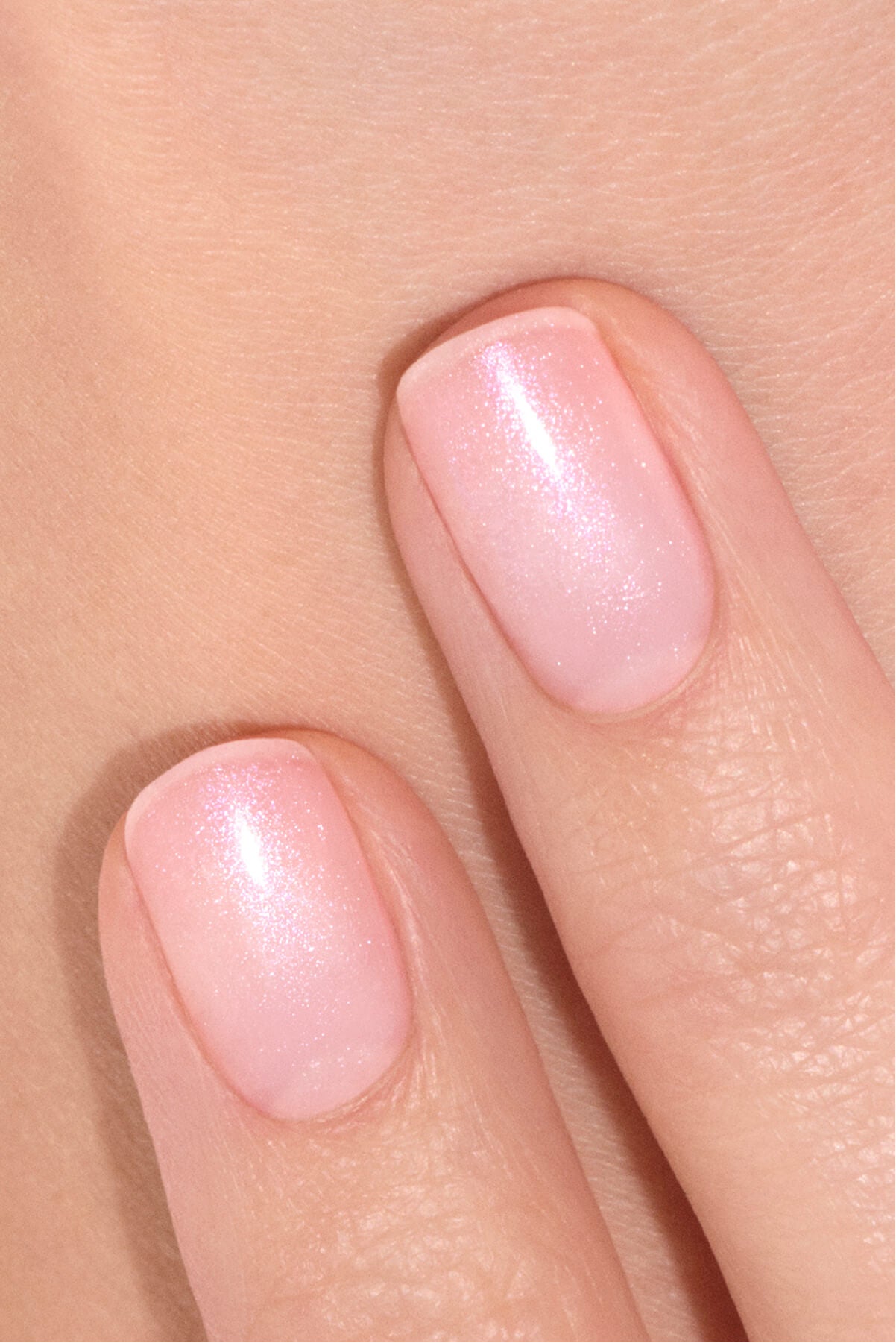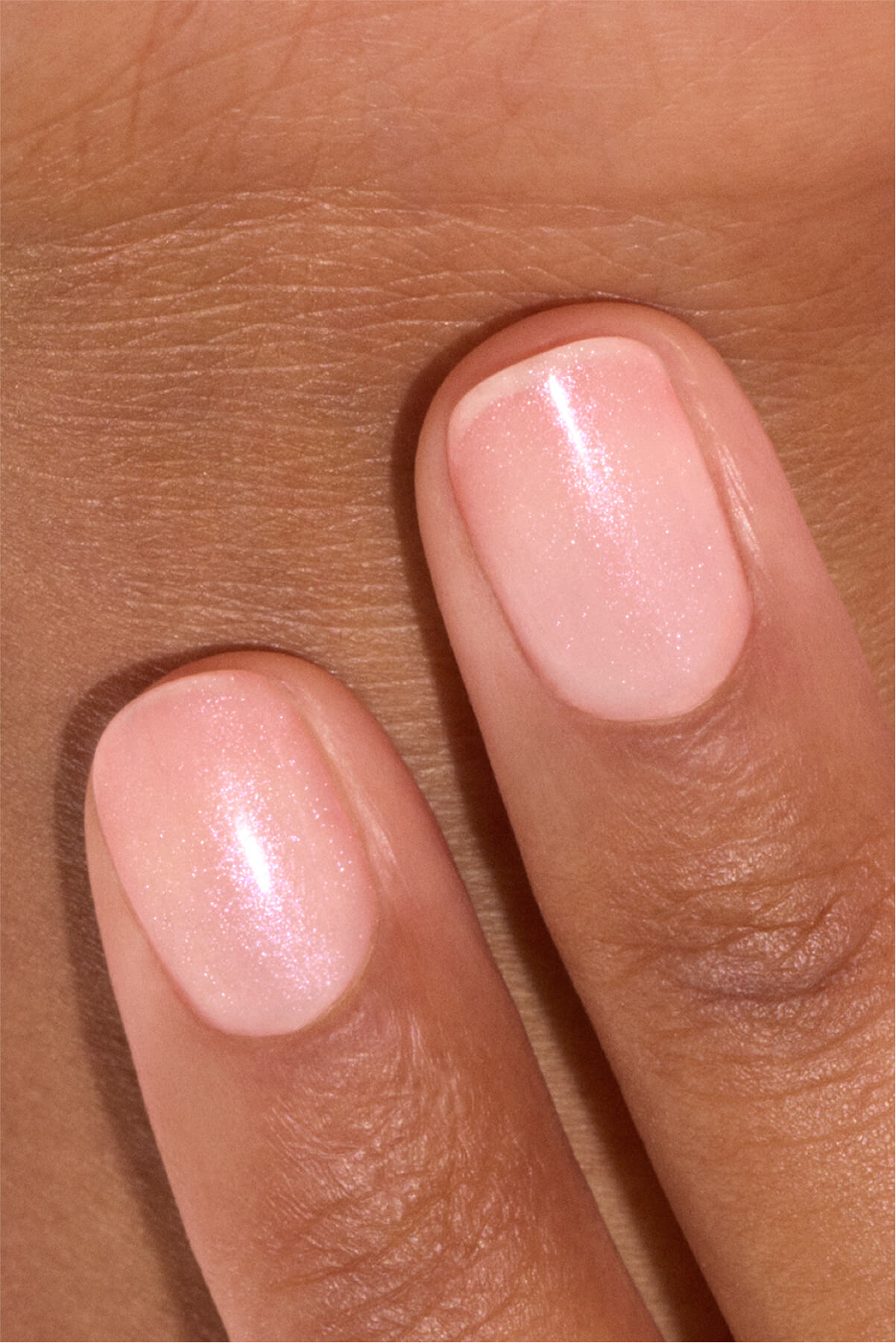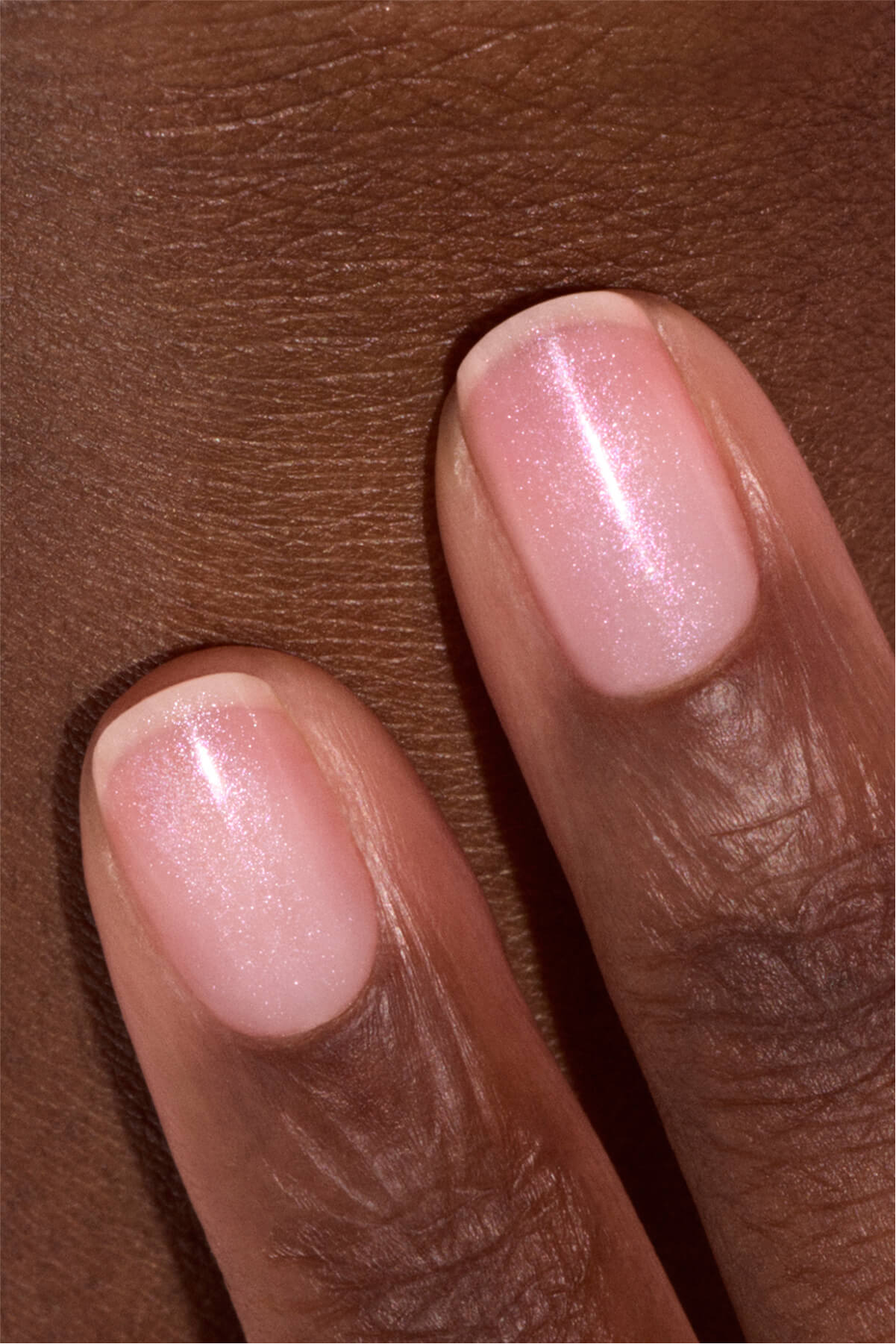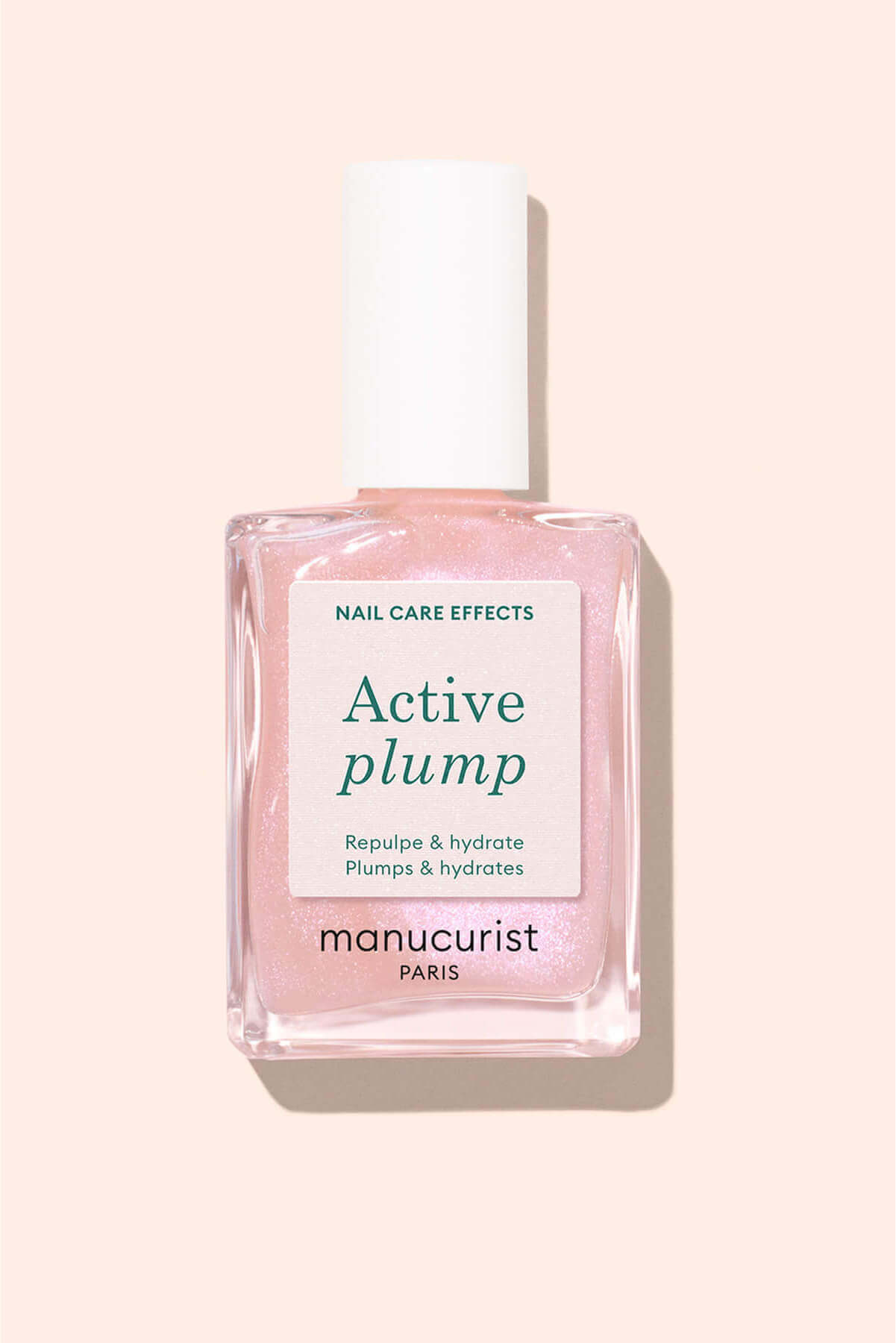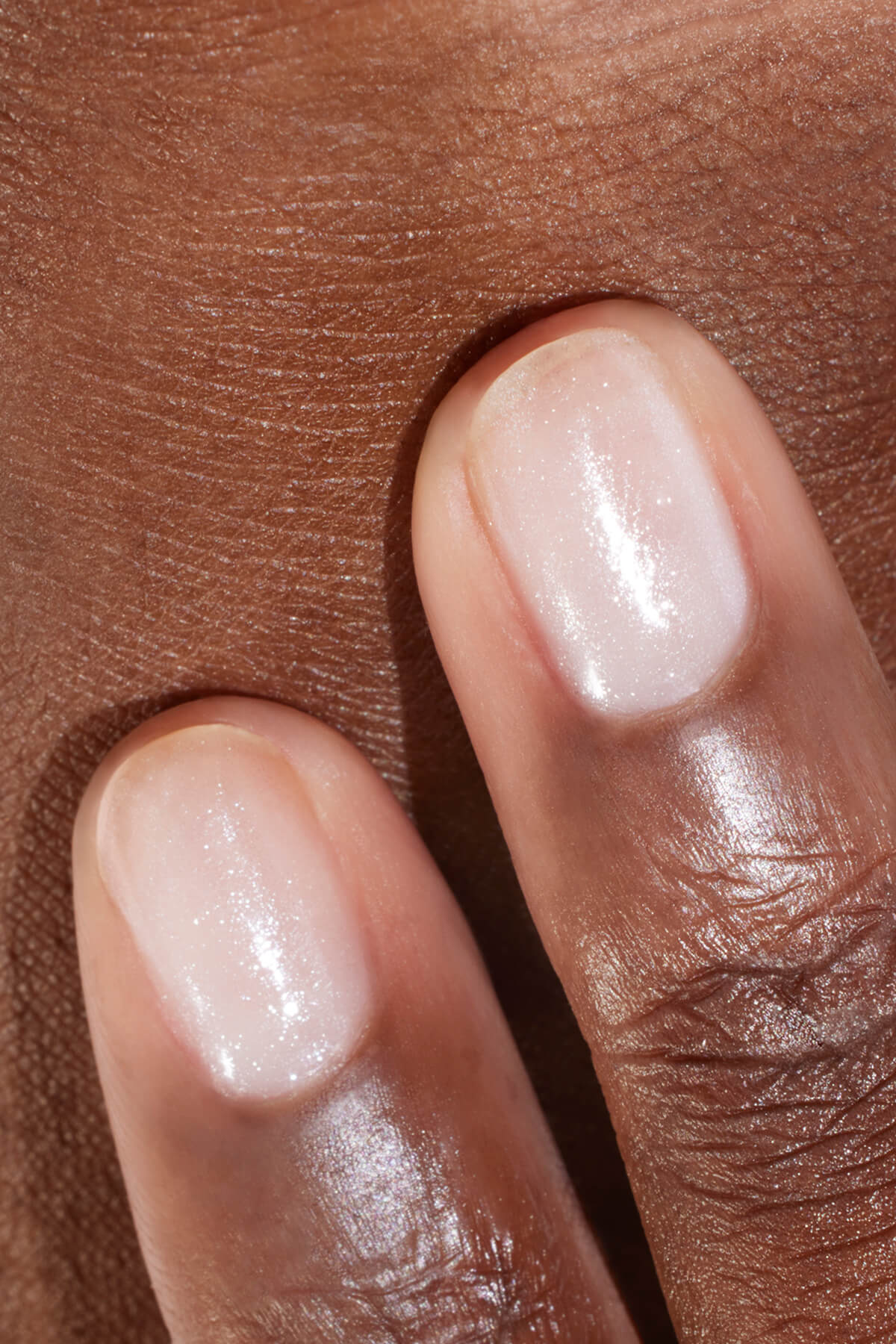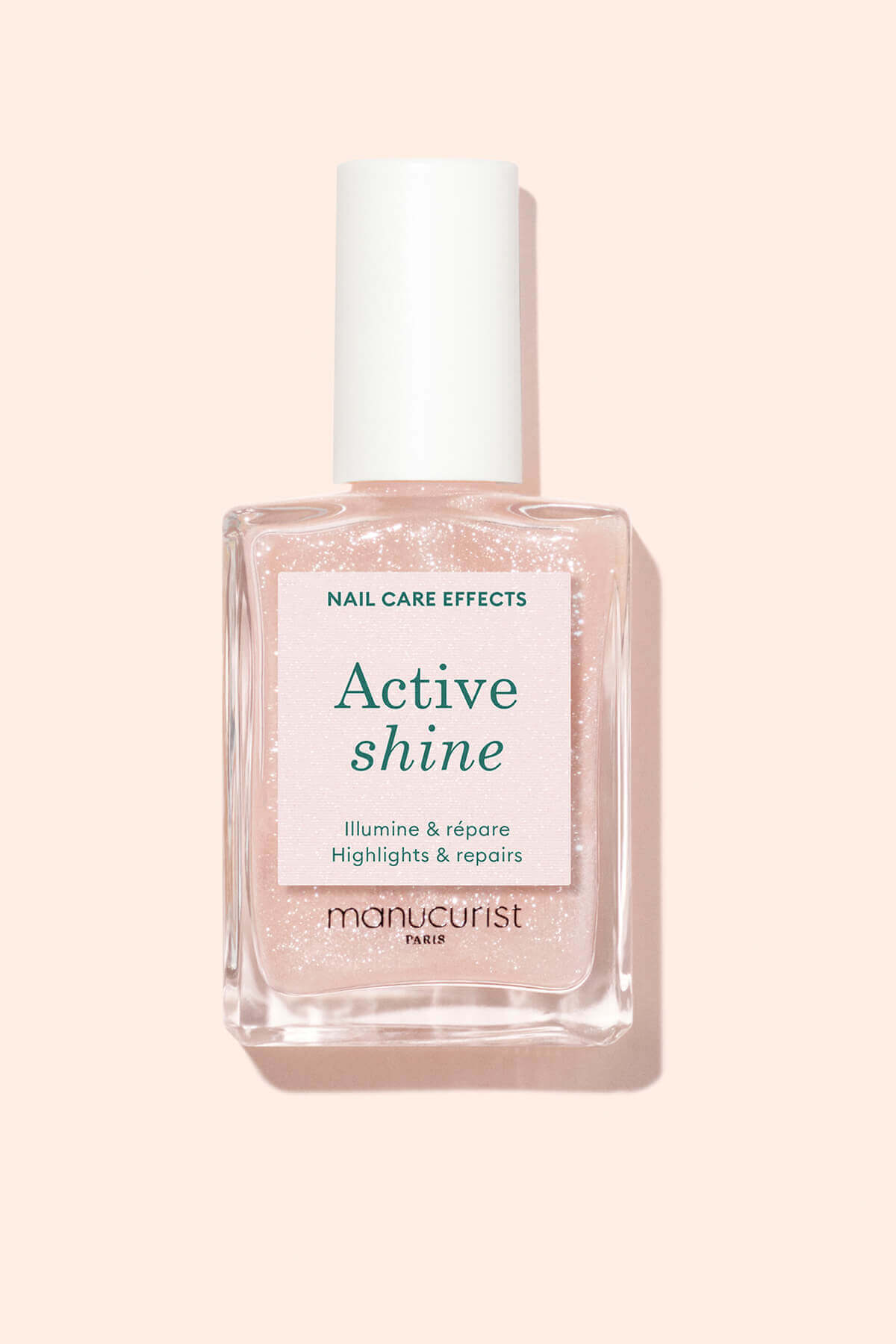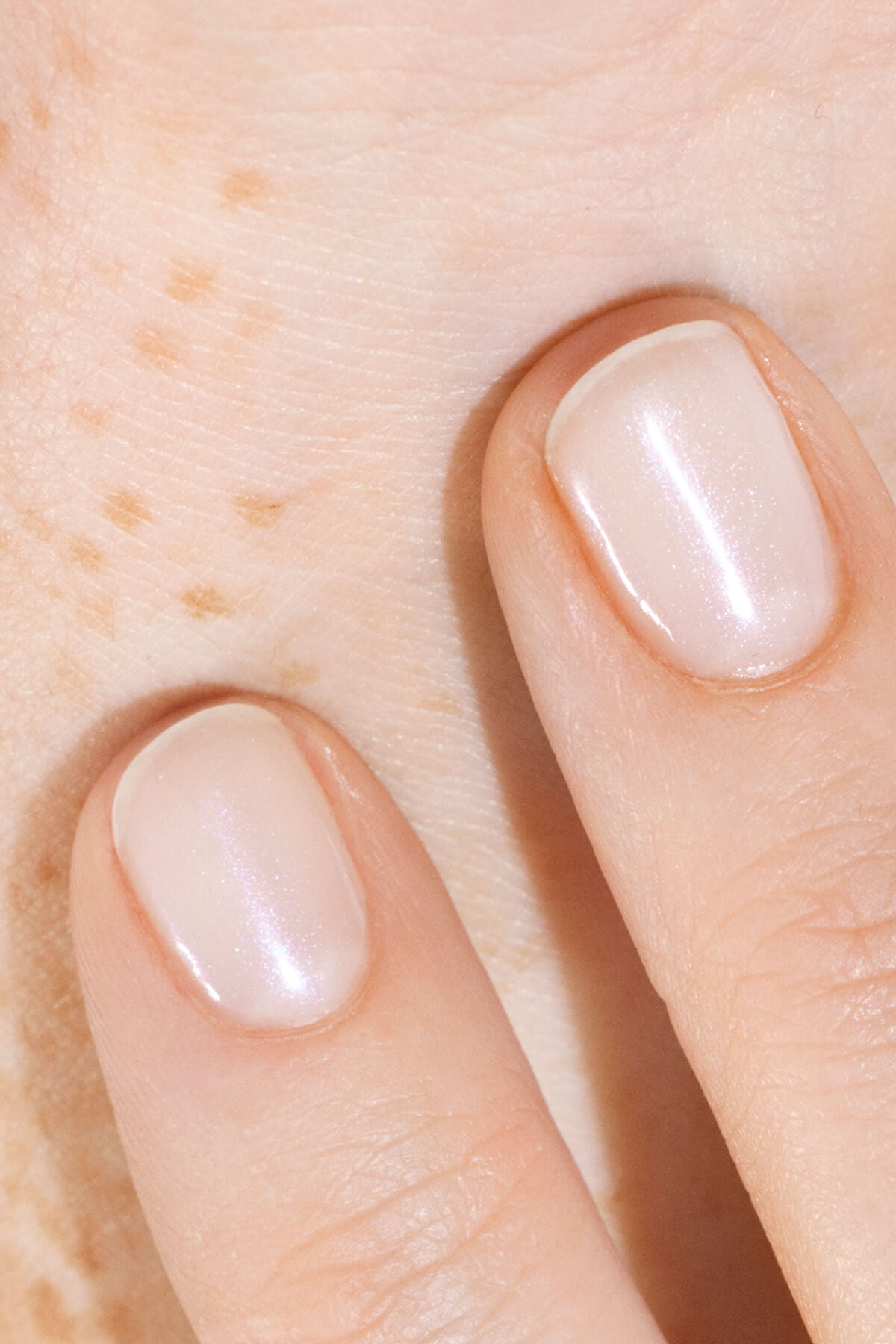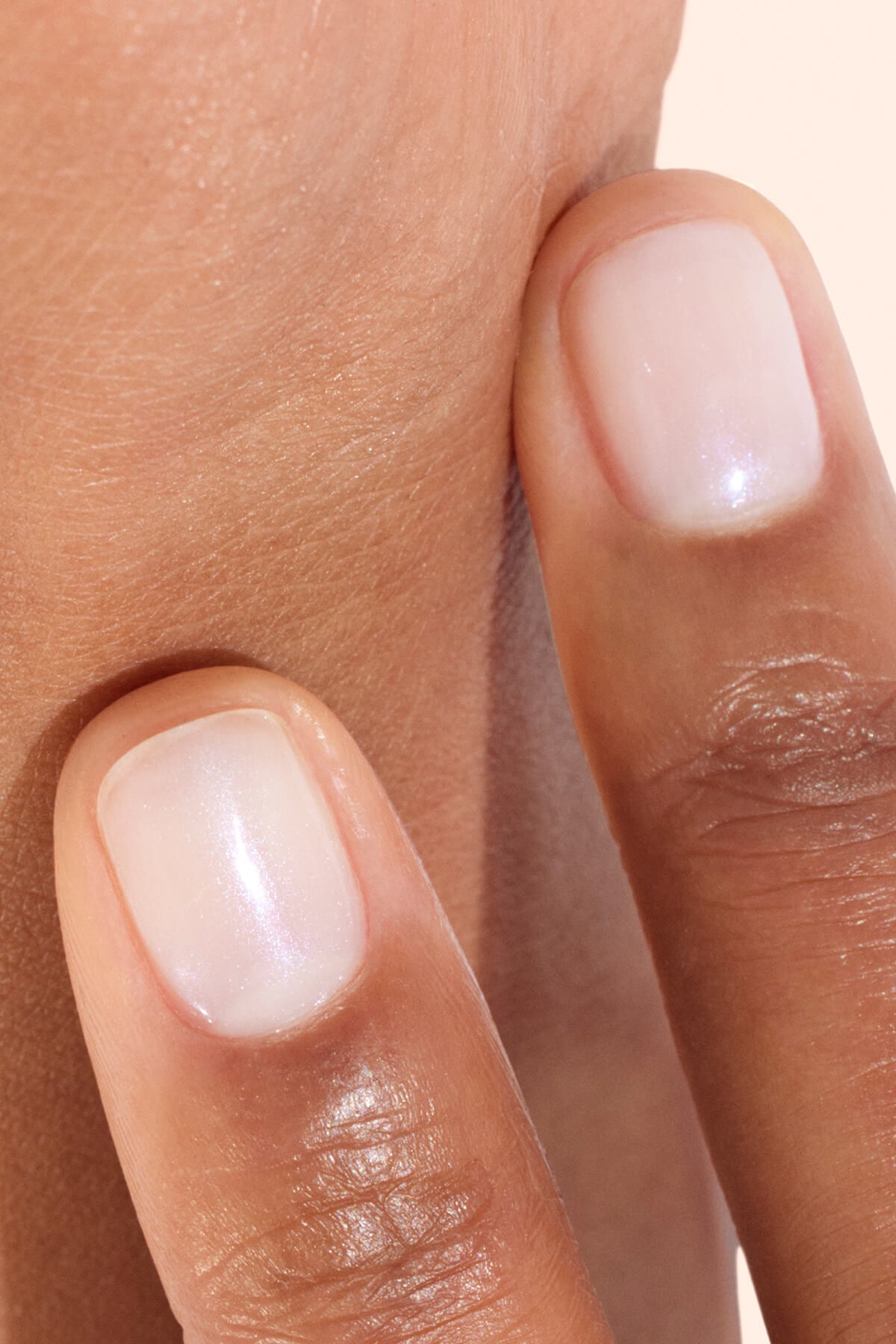

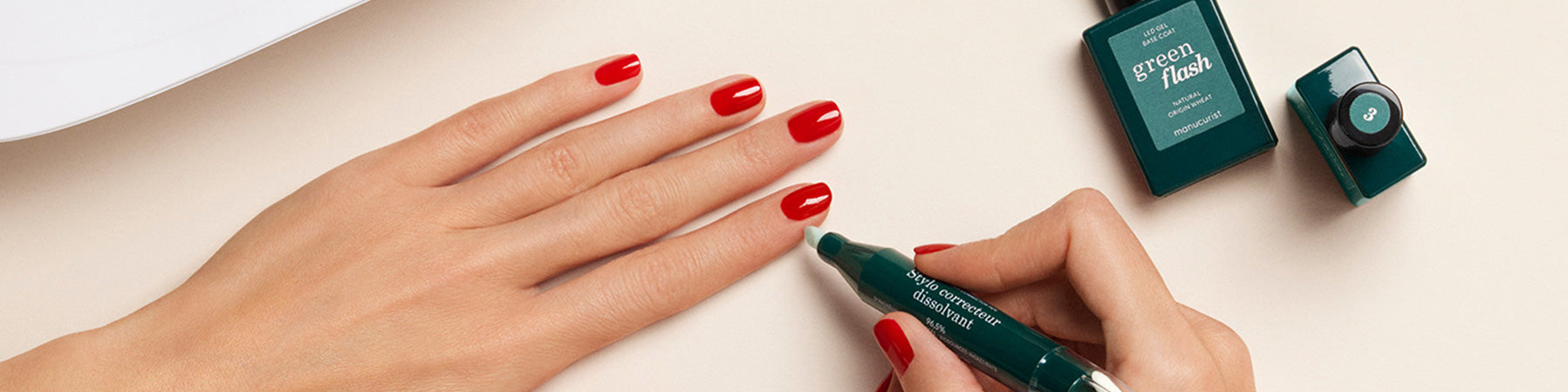
In compliance with European regulations, Green Flash does not contain HEMA monomers or Di-HEMA-TMHDC, two sensitising molecules that can cause skin allergies and are now banned in formulations sold to the general public!
Allergic to gel polish? HEMA and Di-HEMA-TMHDC identified as the culprits.
Some gel polishes can trigger allergies, and you may have already experienced this firsthand!
The culprits? Two small molecules called HEMA and Di-HEMA-TMHDC monomers. These substances, belonging to the acrylate and methacrylate chemical family, are present in the formula of many traditional gels. Under light (UV or LED lamps), they can bind together to form a large network of polymers that ensures the wear time of nail polishes.
Since September 2021, these two molecules have been under the spotlight, and this type of sensitising gel is now subject to European regulations* banning their sale to the general public.
Unfortunately, these products are still used in professional and salon settings, and above all, other (meth)acrylate monomers with sensitising potential can still be included in product formulations, exposing consumers—and professionals alike—to allergy risks.
Reactive molecules that penetrate the skin…
Indeed, these so-called “sensitising” substances are chemically very reactive and often cause inflammatory reactions, especially when they come into contact with the skin.
If the gel coat is incorrectly applied and spills onto the skin, these tiny molecules can cross the superficial skin layer or cuticles to reach the epidermis.
Their high chemical reactivity enables them to bind to epidermal proteins, modifying them. These “modified” epidermal proteins are then recognised as foreign by the immune system, which mounts an inflammatory allergic defence reaction.
Once allergic, always allergic?
The catch is that you don't realise it straight away… This sensitisation phenomenon often occurs long after the 1st exposure, as the immune response builds up and activates with each subsequent exposure. But unlike simple irritation, sensitisation remains permanent because the body remembers this immune response, which can recur, even long-term, upon exposure to the same or a similar molecule.
Numerous scientific studies and reports** have shown the “sensitising” effects of these molecules on the skin (dermatitis, itching, erythema, peeling on the hands) as well as the respiratory tract, such as asthma, because these small molecules are also very volatile and can be inhaled, especially with daily exposure.
Restrictions and regulations
To avoid risks, applying these types of gels requires extreme precision. That is why the new European regulations* banned the sale of products containing 2 of these molecules to private individuals, only allowing them under strict conditions for beauty professionals, for whom a series of protective measures is recommended (extractor table, filter mask, and nitrile gloves).
Green Flash: the non-sensitising alternative with zero compromise on wear time
At Manucurist, health is at the heart of our priorities. The beauty of your nails should also come without compromise. Since its launch in 2019, the Green Flash innovation was already ahead of regulations by offering a new generation of 12-free, non-sensitising, long-lasting nail polish without (meth)acrylate monomers
To find this routine in a ready-to-use format, choose a Green Flash™ Starter Kit.

With Green Flash, nails traumatised by gel polish are a thing of the past… and so are allergies!
And you say it best!
"As someone allergic to acrylates, I had no reaction! I can finally wear a gel polish"
— Nathalie B.
"Super happy! Perfect products! I used to have an allergy to traditional gel polishes, but with these, no problems at all!"
— Laurie E.
"I tried so many gel polish brands and all of them triggered allergies. Today I am so happy to have finally found a natural gel polish that lasts! No more allergies and the nail isn't damaged. Removal is so easy! I love it and can't wait to have all the colours!"
— Élise B.
Discover the Green Flash innovation in detail and what makes it stand out from the rest