

A closer look at a term widely used at Manucurist
Product development at Manucurist is always a challenge. We have very strict requirements in terms of performance, finish and wear time… We ask our laboratories to comply with our ingredient blacklist so that our products are as clean as possible. We also ask them to make sure formulas are bio-based. This essential condition may seem a little unclear: let us explain it all.
What does “bio-based” mean?
A bio-based ingredient is an ingredient derived from biomass, a term that refers to organic matter of plant, animal, bacterial or fungal origin (mushrooms). At Manucurist, biomass means plants, as we are a vegan brand.
Take butyl acetate, for example, a solvent found in our Green nail polish and Green Flash™ gel nail polish ranges. This solvent is made from cassava, so it is bio-based.

What is the difference with the term “naturally derived”?
All bio-based ingredients are naturally derived, but not all naturally derived ingredients are bio-based (yes, yes, it’s like Socrates and cats).
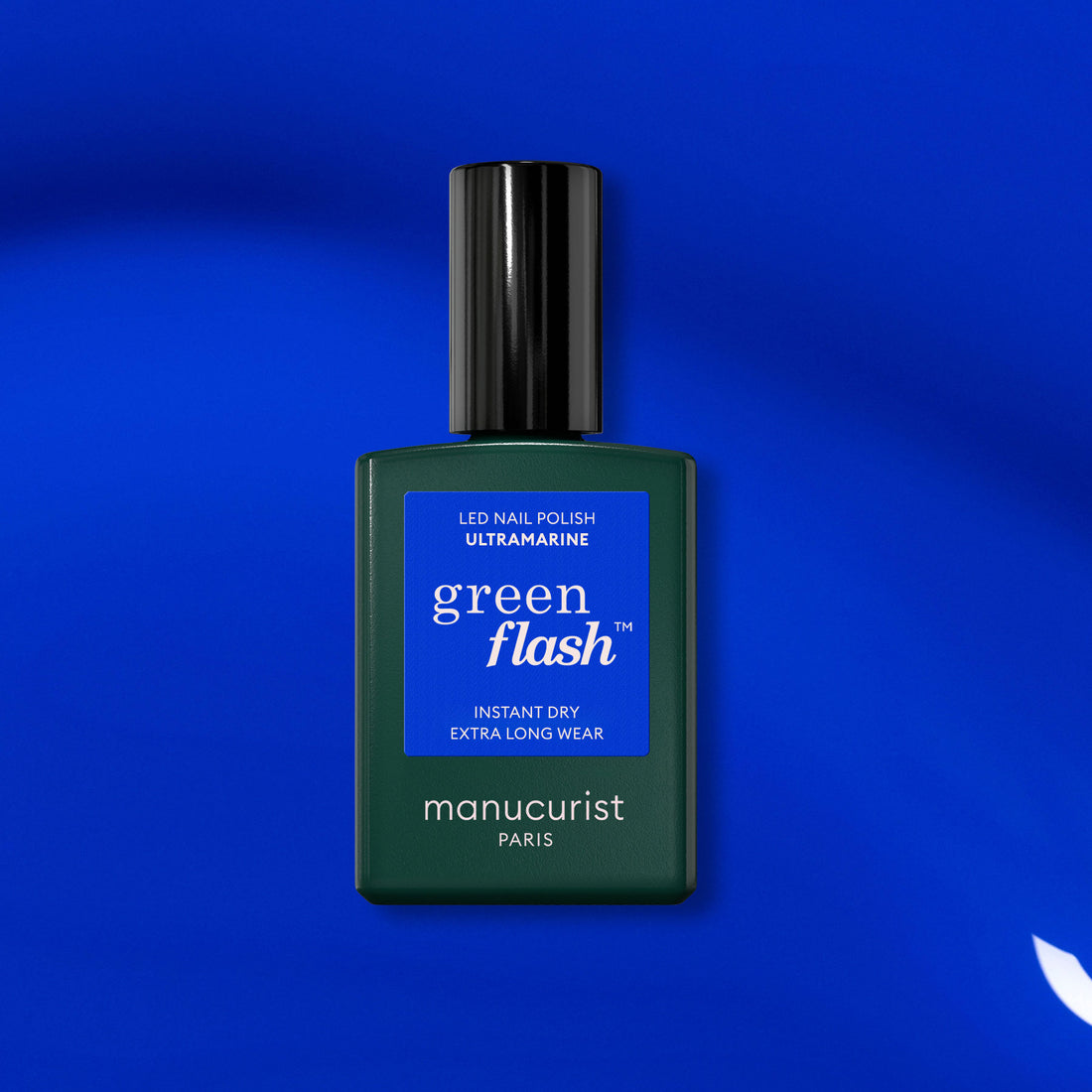
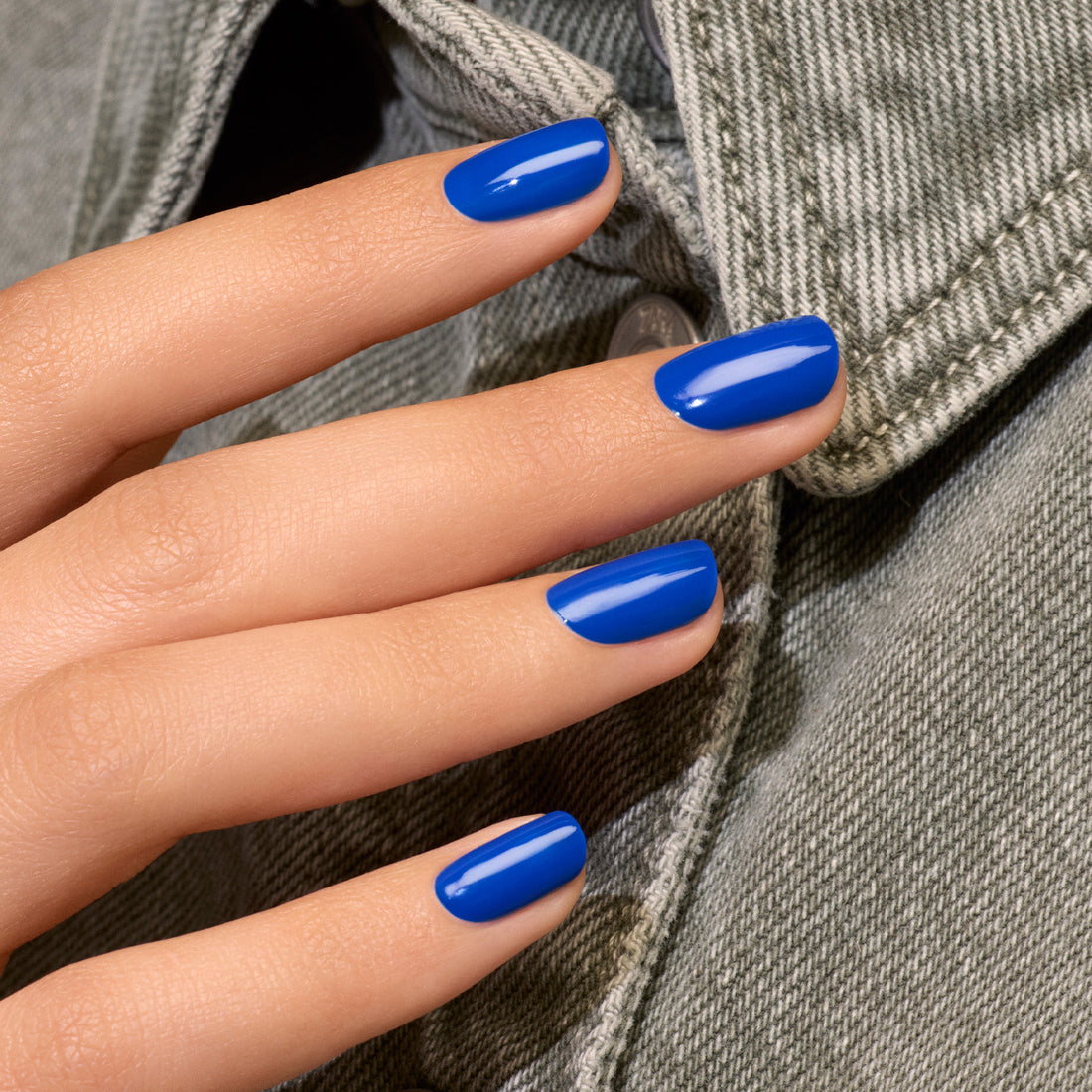
For example, the CI 77007 pigment found in our Ultramarine shade is a natural pigment because it comes from grinding a stone: lapis lazuli. It is a mineral pigment: natural, but not bio-based, as minerals are not part of biomass.

Bio-based formulas are good for the planet!
Traditional nail polishes are mainly synthetic, across all categories of molecules (solvents, plasticisers, colourants…). Most of these molecules originate from petrochemicals.
By choosing to extract our ingredients from renewable biomass, we favour a greener production method and reduce our impact on the environment.

A bio-based nail polish is not an organic nail polish
Despite their similarity, these two concepts are not synonymous.
According to the Ecocert-Cosmébio label (the most recognised in France), an organic cosmetic product must contain:
- more than 95% natural or naturally derived ingredients
- more than 95% plant-based ingredients from organic farming
- more than 20% of all ingredients from organic farming
- less than 5% harmless synthetic ingredients, from a list of ingredients authorised by the label

Water and minerals, although naturally derived, cannot be considered organic as they do not come from agriculture.
Today, there is no organic nail polish due to the technical complexity of nail polish formulas. Still, let’s keep in mind that cosmetics are always evolving; who knows what the future holds?
Discover more articles about Manucurist formulas in the Go green category.